Briefly:
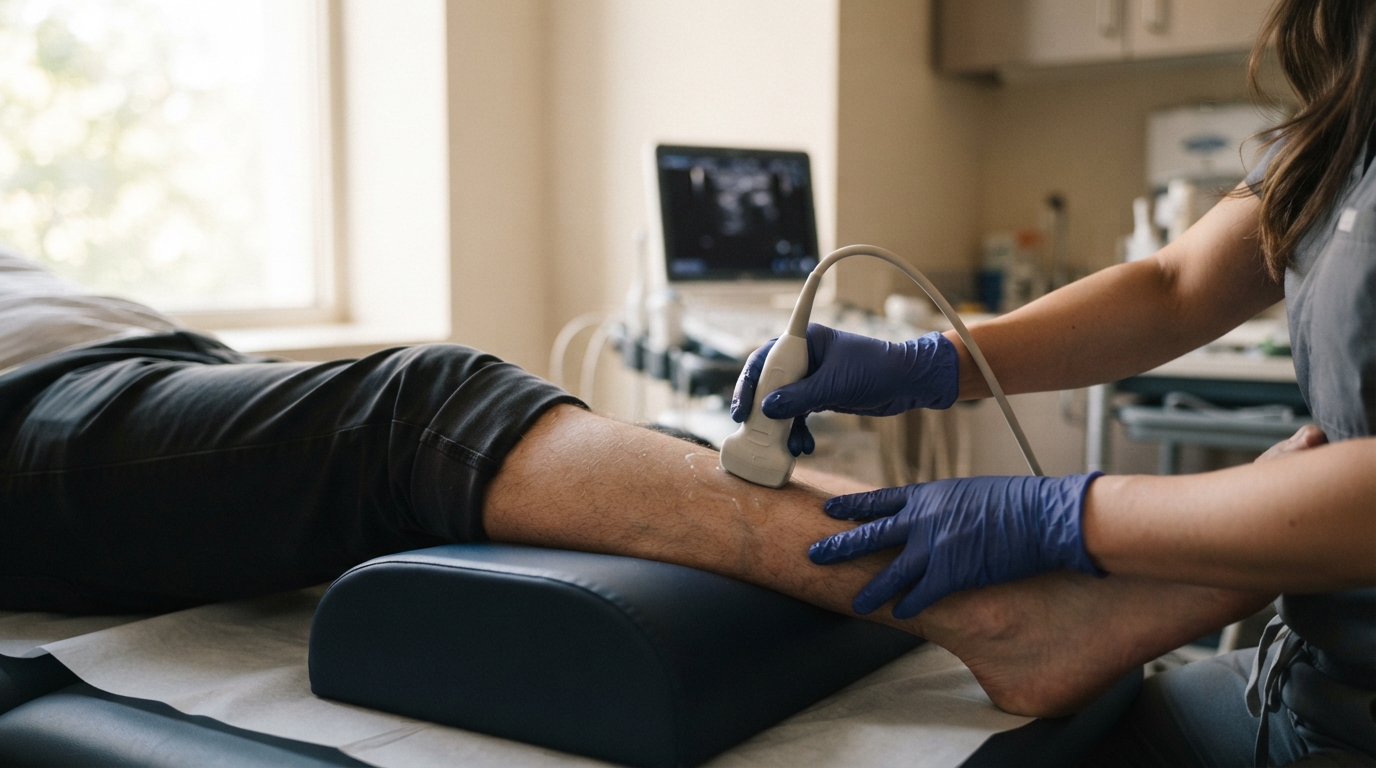
• Varicose vein evaluation typically starts with a physical exam and duplex ultrasound to map faulty vein valves before any treatment plan is set.
• Minimally invasive options such as sclerotherapy, laser ablation, and radiofrequency ablation have largely replaced traditional vein stripping surgery.
• Clinical practice guidelines from vascular surgery societies help standardize how specialists diagnose and stage venous disease before recommending care.
Varicose veins affect a meaningful share of adults, and most New York specialists now diagnose and treat them through office-based, minimally invasive procedures rather than surgery. The process usually begins with a vascular exam and ultrasound, followed by a tailored treatment chosen based on vein size, location, and symptom severity.
Patients searching for Varicose Vein Treatment New York are often trying to understand what the first visit involves and which procedure fits their condition. Practices such as Premier Vascular describe treatment options that include sclerotherapy and laser ablation, reflecting the broader shift toward in-office vein care across the region. Understanding how specialists evaluate veins before choosing a procedure can help patients set realistic expectations for recovery and outcomes.
The Diagnostic Process Specialists Follow
Before recommending any procedure, vascular specialists need a clear picture of how blood is flowing through the leg veins. This typically involves a few consistent steps.
• A physical exam to check for visible bulging veins, skin discoloration, or swelling
• A review of symptoms such as aching, heaviness, or nighttime cramping
• A duplex ultrasound to visualize blood flow and identify which valves are not closing properly
Clinical guidelines jointly issued by vascular surgery and venous disease societies recommend duplex scanning as a standard step for evaluating superficial venous reflux before treatment decisions are made. These guidelines help ensure that the diagnostic workup matches the severity of disease, since mild cosmetic veins are managed differently than veins causing skin changes or ulceration.
Common Treatment Options and How They Compare
Once a specialist confirms the affected veins and the extent of reflux, treatment selection depends on vein size, depth, and patient goals. The table below outlines commonly used approaches referenced across vein treatment practices.
| Treatment | Best Suited For | Recovery Expectation |
| Sclerotherapy | Smaller varicose veins and spider veins | Minimal downtime, may need multiple sessions |
| Laser ablation | Larger surface veins with visible reflux | Short recovery, in-office procedure |
| Radiofrequency ablation | Larger, deeper diseased veins | Minimally invasive, quick return to activity |
| Compression therapy | Symptom management or post-procedure support | Ongoing, non-surgical |
These approaches are consistent with guidance from the American Venous Forum, which has helped establish clinical practice standards for diagnosing and managing superficial venous reflux in the lower extremities. Most patients return to normal activity within a day or two after an in-office procedure, though specific timelines vary by case.
What Influences Which Treatment a Specialist Recommends
No single procedure works for every patient, and specialists weigh several factors before settling on a plan.
1. Vein size and depth, since larger trunk veins often respond better to ablation than sclerotherapy alone
2. Symptom severity, including pain, swelling, or skin changes near the ankle
3. Overall vascular health, particularly for patients with a history of blood clots or peripheral artery disease
4. Cosmetic goals versus purely symptomatic relief
Specialists in New York serving dense, multi-borough populations often see patients at different stages of venous disease, which is why an individualized exam matters more than a one-size-fits-all protocol. A treatment plan built around ultrasound findings tends to produce more predictable outcomes than treating visible veins alone.
Preparing for a Consultation
Patients preparing for an initial vein evaluation can make the visit more productive by organizing relevant health information in advance.
• Bring a list of symptoms, including when they started and what worsens them
• Note any family history of varicose veins or blood clots
• Wear or bring loose-fitting clothing that allows easy leg examination
• List current medications, especially blood thinners
This preparation helps the specialist move efficiently from exam to ultrasound to treatment discussion in a single visit when possible.
FAQ
Is varicose vein treatment covered by insurance? Coverage depends on medical necessity and the specific insurer, since purely cosmetic vein treatment is often treated differently than care for symptomatic or complicated veins.
How long does an in-office vein procedure take? Procedures such as laser or radiofrequency ablation are generally completed within an hour, though exact timing depends on the number of veins treated.
Will varicose veins come back after treatment? Treated veins typically do not reopen, but new varicose veins can develop over time, which is why periodic follow-up exams are often recommended.
Do I need a referral to see a vein specialist? This varies by insurance plan, so it is worth confirming referral requirements before scheduling a consultation.
Varicose vein care has moved toward office-based procedures that prioritize accurate diagnosis before treatment selection. Patients considering evaluation can review the options described by Premier Vascular to understand how an initial consultation and ultrasound-based exam typically unfold before choosing a path forward.