Key point:
• Custom jewelry lets you control every detail, from metal type and gemstone selection to setting style, resulting in a one-of-a-kind piece built around your vision.
• In-house fabrication, like that offered by shops specializing in custom jewelry in Greenville SC , means shorter turnaround times and direct communication with the craftsperson doing the work.
Custom jewelry is the process of designing and fabricating a piece from scratch, guided by your preferences rather than a manufacturer’s catalog. Knowing what goes into that process, from material choices to finishing and long-term care, helps you make confident decisions before your first consultation.
What “In-House” Custom Fabrication Actually Means
Many jewelry stores outsource custom work to third-party manufacturers, which adds weeks to the timeline and limits how much you can adjust mid-process. In-house custom jewelry fabrication keeps design, casting, and finishing under one roof. That matters for two reasons: you can request changes after seeing a prototype, and the jeweler is directly accountable for every step.
Reviews frequently mention the benefit of 3D prints for visualizing designs before metal is cast, which is a standard step at shops that handle fabrication on-site. A wax or resin model lets you approve proportions and stone placement before any precious metal is committed.
Understanding the timeline for custom jewelry design helps set realistic expectations. Most custom pieces require four to twelve weeks from design approval to delivery, depending on complexity and current workload. In-house shops can sometimes compress that window because there is no shipping time between a remote caster and the finishing bench.
Choosing Your Materials: Metals and Gemstones
Material selection shapes the look, durability, and long-term value of a custom piece. The core decision is metal type, followed by gemstone choice.
Metal comparison at a glance
Metal | Durability | Typical Use | Notes |
Yellow gold (14k/18k) | High | Rings, pendants, bands | Warm tone; 14k more scratch-resistant |
White gold | High | Engagement rings | Requires rhodium plating over time |
Rose gold | Moderate-high | Fashion pieces, bands | Copper alloy gives pink tone |
Platinum | Very high | Heirloom settings | Denser, hypoallergenic, higher cost |
Sterling silver | Moderate | Casual and fashion pieces | Prone to tarnish; lower cost entry |
Choosing the right materials is crucial in custom jewelry design, as they influence not only the aesthetics of the piece but also its durability and value. Each metal brings its own unique characteristics, while gemstones add color, sparkle, and personality.
The FTC’s Jewelry Guides establish disclosure standards for precious metals and gemstones, including purity thresholds, so consumers know exactly what they are purchasing. Asking your jeweler for karat or purity documentation is a reasonable and standard request.
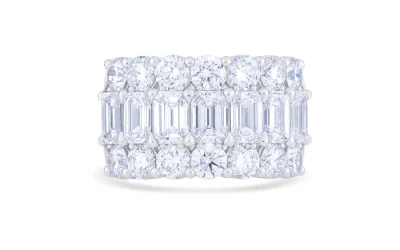
Designing custom engagement rings is one specialty where jewelers work one-on-one with each client to bring their vision to life, from selecting the right diamond to refining every detail of the setting.
The Fabrication Process: From Sketch to Finished Piece
The custom jewelry design process allows you to participate in every decision, from selecting the perfect gemstone to determining the exact curve of a band, ensuring the final piece is authentically yours. Here is how that typically unfolds:
1. Consultation – Share reference images, describe the occasion, and set a budget range.
2. Design and modeling – The jeweler sketches or renders a CAD model; a 3D print or wax prototype follows.
3. Material sourcing – Metal stock and loose stones are selected and approved.
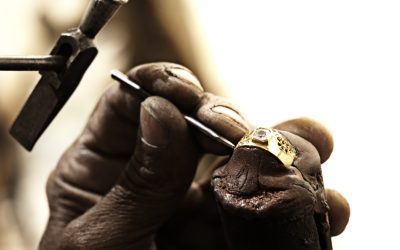
4. Fabrication – Expert artisans begin the meticulous process of handcrafting the jewelry, creating the metal setting, precisely placing the gemstone, refining edges, and polishing the piece to perfection.
5. Quality review and delivery – Quality control checks happen throughout to ensure everything meets exacting standards. The finished piece is inspected one final time, cleaned, and professionally presented.
All jewelry made in-house at a reputable shop should carry a manufacturing default warranty, since the craftsperson who built it is on-site to address any issues.
Caring for a Custom Piece Long-Term
A well-made custom piece can last generations with the right maintenance habits.
• Clean gently – Warm water, a drop of mild dish soap, and a soft brush work for most gold and platinum settings. Avoid ultrasonic cleaners for pieces with treated or fracture-filled stones.
• Store separately – Diamonds scratch softer metals and stones. Keep pieces in individual pouches or compartments.
• Schedule professional inspections – Prongs wear over time. A jeweler can check prong integrity, re-tip worn prongs, and re-polish the metal before damage occurs.
• Know your metal’s needs – White gold benefits from rhodium re-plating every one to two years to maintain its bright finish. Sterling silver tarnishes and benefits from anti-tarnish storage strips.
A full range of jewelry repair services, including ring resizing, prong re-tipping, stone replacement, clasp repair, and chain soldering, can restore a piece’s beauty and durability when routine wear takes a toll.
Frequently Asked Questions
Do I need a complete design idea before consulting a jeweler? No. Bringing reference images, a general style preference, or even a description of the occasion is enough to start. The jeweler’s role is to translate loose ideas into a concrete design.
How do I verify the quality of materials used in my custom piece? Ask for the metal’s karat stamp and, for diamonds, a grading report from an independent lab such as GIA or AGS. Reputable jewelers provide this documentation as standard practice.
Can I incorporate stones or metal from an existing piece? Yes, in most cases. Heirloom stones can be re-set into new custom settings, and old gold can sometimes be refined and used as part of the new piece’s metal stock, depending on karat and condition.
What is a manufacturing warranty and what does it cover? A manufacturing default warranty covers defects in the fabrication of the piece itself. Repairs typically carry a separate 30-day guarantee, while watch services may be guaranteed for one to five years depending on the shop.
Ready to bring your custom jewelry idea to life? Visit https://www.greenvillediamondgallery.com/ to connect with Greenville Diamond Gallery, discuss your vision with their experienced jewelry designers, and explore custom design, repair, and appraisal services in Greenville, SC.