Recap:
• Professional in-home dementia care provides trained support for memory loss, safety supervision, and daily routines without requiring a move to a facility.
• Family caregivers often manage high stress levels, and structured in-home support can ease daily caregiving demands.
• Services typically include personalized care plans, companionship, and specialized memory-focused programming.
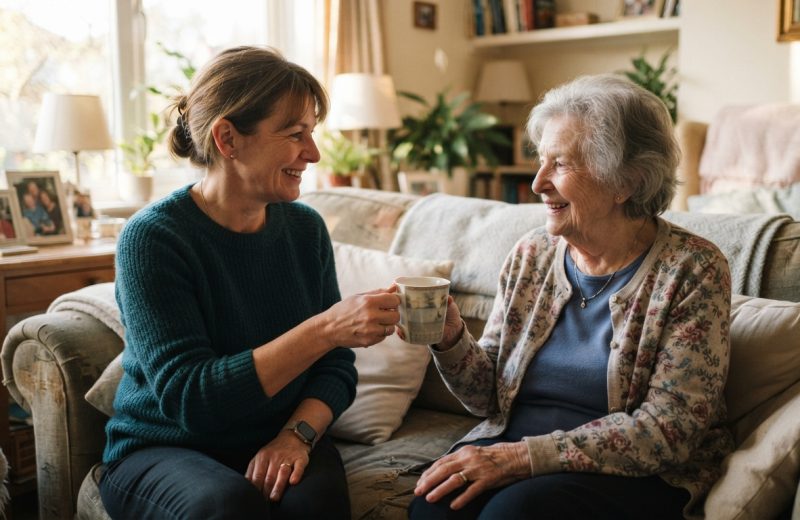
Professional In-Home Dementia Care refers to trained caregiver support delivered in a person’s own home to help manage memory loss, daily routines, and safety concerns associated with Alzheimer’s disease or other forms of dementia. This type of support allows individuals to remain in familiar surroundings while receiving structured, consistent assistance tailored to their cognitive and physical needs.
Families searching for this kind of support are often navigating a difficult transition. Dementia caregiving tends to be more demanding than other forms of elder care, and the toll on unpaid caregivers is well documented. According to the alzheimer’s association, fifty-nine percent of dementia caregivers report feeling high to very high emotional stress, and most caregivers, or 66 percent, live with the person with dementia in the community. These figures help explain why many families look for outside support that does not require relocating a loved one to a facility.
What In-Home Dementia Care Typically Includes
Dementia-focused home care differs from general companion care because it addresses the specific behavioral and safety challenges tied to cognitive decline. Common components include:
• Personalized care plans built around the individual’s routines, triggers, and preferences
• Safety supervision to reduce wandering, falls, and confusion-related incidents
• Assistance with bathing, dressing, grooming, and other personal care tasks
• Medication reminders and support with daily structure
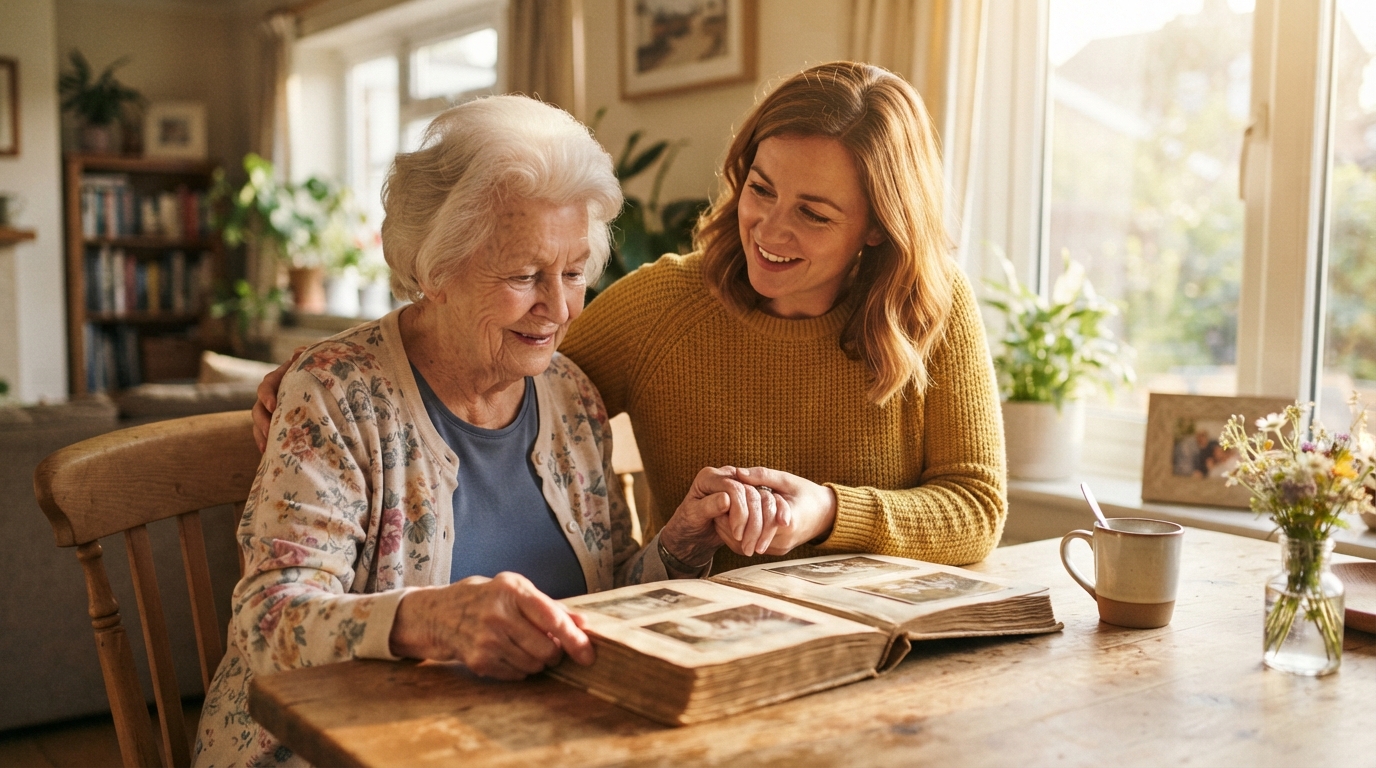
• Companionship activities designed to reduce anxiety and encourage engagement
Care plans are generally reassessed as the condition progresses, since needs at early stages differ significantly from those during moderate or advanced dementia.
Why Families Choose Home-Based Support Over Facility Care
Remaining at home offers continuity that can be difficult to replicate in institutional settings. Familiar rooms, routines, and belongings often reduce agitation for people experiencing memory loss, while family members retain more direct involvement in care decisions.
| Factor | In-Home Dementia Care | Residential Memory Care Facility |
| Setting | Person’s own home | Licensed facility |
| Environment familiarity | High | Lower, especially early on |
| Caregiver ratio | Often one-on-one | Shared staff across residents |
| Flexibility of scheduling | Adjustable hours | Fixed facility schedule |
This comparison is general and not a substitute for an individualized assessment, since the right option depends on the severity of symptoms, safety risks, and available family support.
What to Look for in a Dementia Care Provider
Not every home care agency offers the same depth of dementia-specific training. When evaluating options, families in Vestavia Hills, AL and nearby communities may want to confirm the following:
1. Whether caregivers receive dementia-specific training beyond general caregiving certification
2. How care plans are built, reviewed, and adjusted over time
3. What safety protocols are in place for wandering or sundowning behaviors
4. Whether companionship or engagement activities are part of the standard offering
Based in Birmingham, AL, ComForCare Home Care of Birmingham, AL serves families across Vestavia Hills, AL with in-home care options that include dementia-focused support. Care plans are built around individual needs, with attention to safety, routine, and companionship for those managing memory-related conditions.
Frequently Asked Questions
Is in-home dementia care the same as hospice or medical home health care? No. Dementia-focused home care generally centers on non-medical support such as supervision, personal care, and companionship rather than skilled nursing or medical treatment, though some families coordinate both types of services.
How does caregiving stress differ when dementia is involved? Dementia caregiving tends to involve longer hours and higher reported stress than caregiving for other conditions, according to the Alzheimer’s Association, which is one reason professional in-home support is often considered earlier than for other age-related care needs.
Can in-home dementia care be adjusted as the condition changes? Yes. Most care plans are designed to be reassessed periodically so that the level of supervision and assistance can increase as symptoms progress from mild to moderate or severe stages.
Does in-home dementia care replace the need for family involvement? Not typically. It is usually structured to supplement family caregiving, giving relatives scheduled relief while maintaining their involvement in overall care decisions.
A Note on Getting Started
Families weighing in-home dementia support alongside other care options may find it useful to review current availability before scheduling an initial conversation. Current availability details for ComForCare Home Care of Birmingham, AL are published for the local service area.