At a Glance:
• A qualified vein care specialist evaluates symptoms and uses ultrasound imaging when appropriate before recommending treatment for varicose or spider veins.
• Treatment options range from sclerotherapy to laser-based procedures, depending on vein size, location, and patient needs.
• Personalized care plans typically begin with a consultation and diagnostic evaluation rather than a one-size-fits-all approach.
Finding the right provider for leg vein concerns starts with confirming that the practice offers ultrasound-guided diagnosis and a range of treatment options rather than a single fixed approach. A qualified vein care specialist in Schaumburg at Skypoint Vein Center can assess vein size, location, and severity before recommending a treatment plan, since not every varicose or spider vein responds to the same procedure.
Vein disease is common and can cause symptoms that affect daily comfort and mobility. Chronic venous insufficiency is associated with leg discomfort, heaviness, swelling, skin discoloration, and, in more advanced cases, venous ulcers. These symptoms may develop when blood flow through the veins is impaired by venous reflux, obstruction, or both. Because symptoms can progress without appropriate management, seeking a timely evaluation can help patients understand their condition and available treatment options.
What a Vein Evaluation Typically Involves
A first visit with a vein specialist generally follows a predictable pattern designed to rule out underlying circulatory issues before cosmetic or symptomatic treatment begins.
• Medical history review, including symptoms like leg heaviness, swelling, or visible vein changes
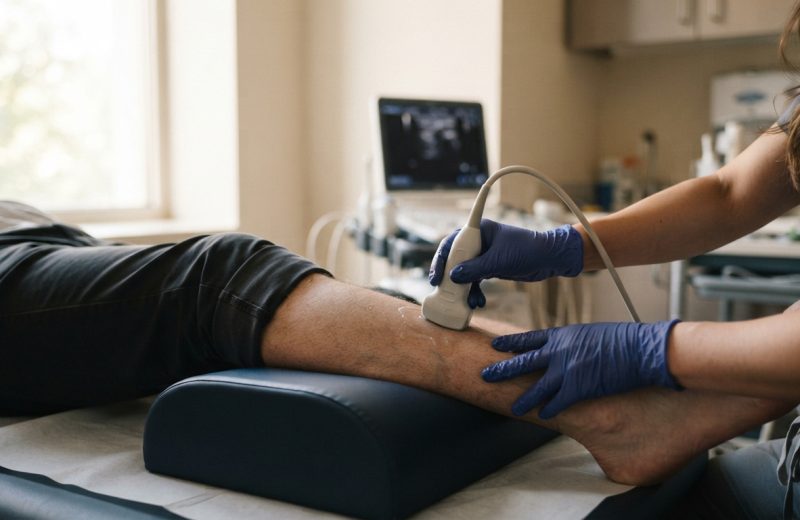
• Ultrasound imaging to check blood flow and valve function in the affected veins
• Discussion of treatment goals, whether cosmetic, symptomatic relief, or both
• A recommendation for one or more treatment paths based on findings
According to the National Institute of Diabetes and Digestive and Kidney Diseases and related NCBI clinical resources, approximately 150,000 new patients are diagnosed with chronic venous insufficiency each year, and nearly 500 million dollars is spent on the care of these patients. That volume underscores why diagnostic accuracy, not guesswork, should guide any treatment recommendation.
Comparing Common Vein Treatment Approaches
Treatment selection depends on vein size, depth, and whether the concern is primarily cosmetic or tied to circulatory symptoms. The table below outlines commonly used approaches based on services offered by vein clinics in the Schaumburg area.
|
Treatment Type |
Best Suited For |
General Process |
|
Sclerotherapy |
Spider veins, smaller varicose veins |
Injection of a solution that collapses the vein, often paired with ultrasound guidance |
|
Laser vein treatment |
Larger varicose veins, visible surface veins |
Targeted laser energy closes the problematic vein |
|
Ultrasound-guided evaluation |
Any suspected venous insufficiency |
Imaging confirms valve function before treatment is chosen |
Patients considering treatment should ask which approach is appropriate for their specific vein concerns. View Skypoint Vein Center on Google Business Profile to learn more about the practice and its services.
Why Personalization Matters in Vein Care
No two patients present with identical vein patterns, symptom severity, or cosmetic priorities, which is why a rigid treatment protocol rarely serves everyone well.
• Vein size and depth affect which procedure is appropriate
• Underlying valve dysfunction may require different management than surface-level spider veins
• Recovery expectations differ by treatment type and the number of sessions needed
• Personal goals, whether symptom relief or appearance, shape the recommended sequence of care
A specialist who reviews ultrasound findings before recommending sclerotherapy or laser treatment is applying a more individualized standard than a practice that defaults to one method for every patient. This distinction often separates a general aesthetic provider from a dedicated vein clinic.
Questions to Ask Before Starting Treatment
Patients evaluating any vein practice should come prepared with a short list of practical questions.
1. Will an ultrasound be performed before treatment begins.
2. How many sessions are typically needed for my vein pattern.
3. What is the expected recovery time between appointments.
4. Does the practice accept insurance for medically necessary evaluations.
Asking these questions upfront helps set realistic expectations and confirms the provider is tailoring care rather than applying a standard package to every patient.
Frequently Asked Questions
1. How do I know if my veins need treatment or are just cosmetic?
→ An ultrasound evaluation is the most reliable way to determine whether visible veins reflect an underlying circulatory issue or are purely surface-level. A specialist can distinguish between the two before recommending treatment.
2. Is sclerotherapy painful?
→ Most patients describe mild discomfort during the injection rather than significant pain, though individual tolerance varies. The procedure is typically brief and performed in an office setting.
3. How many treatment sessions are usually needed?
→ This depends on the size, number, and depth of the veins being treated. A specialist will outline an expected number of sessions after the initial ultrasound evaluation.
4. Does insurance cover vein treatment?
→ Coverage often depends on whether the treatment is classified as medically necessary versus cosmetic. Checking directly with the practice and your insurance provider before scheduling is the most accurate way to confirm costs.
Choosing a provider for varicose or spider vein concerns comes down to confirming that diagnosis precedes treatment and that the recommended approach fits the specific vein pattern involved. Practices that combine ultrasound imaging with multiple treatment options, such as sclerotherapy and laser-based procedures, are better positioned to tailor care than those offering a single fixed protocol. Schaumburg residents researching local options should prioritize clinics that walk through this evaluation process clearly before any procedure is scheduled.