-
Commercial asphalt work in Valdosta requires attention to grading, drainage, and material selection suited to South Georgia’s climate.
-
Local contractors familiar with Lowndes County soil and weather conditions typically deliver more durable results than out-of-area crews.
-
Verified service offerings include new installation, full-depth replacement, sealcoating, grading, and repair for parking lots and private roads.
Property owners searching for a Commercial Asphalt Contractor in Valdosta, GA are usually trying to solve a specific problem: a cracked parking lot, a failing private road, or a new development that needs paving before it can open for business. The right contractor for that work should offer clear answers about site preparation, material choice, and long-term maintenance, not just a quote.
Commercial paving differs from residential driveway work in scale and stress load. Parking lots, loading areas, and private roads carry heavier and more frequent traffic, which means the base preparation and asphalt depth have to be engineered differently from a home driveway.
What a Commercial Asphalt Project Actually Involves
Every paving job starts below the surface, not on top of it. A contractor who skips proper grading or base work is setting up a lot for premature cracking and pooling water.
Typical commercial asphalt work includes:
-
Site evaluation and grading to correct drainage before paving begins
-
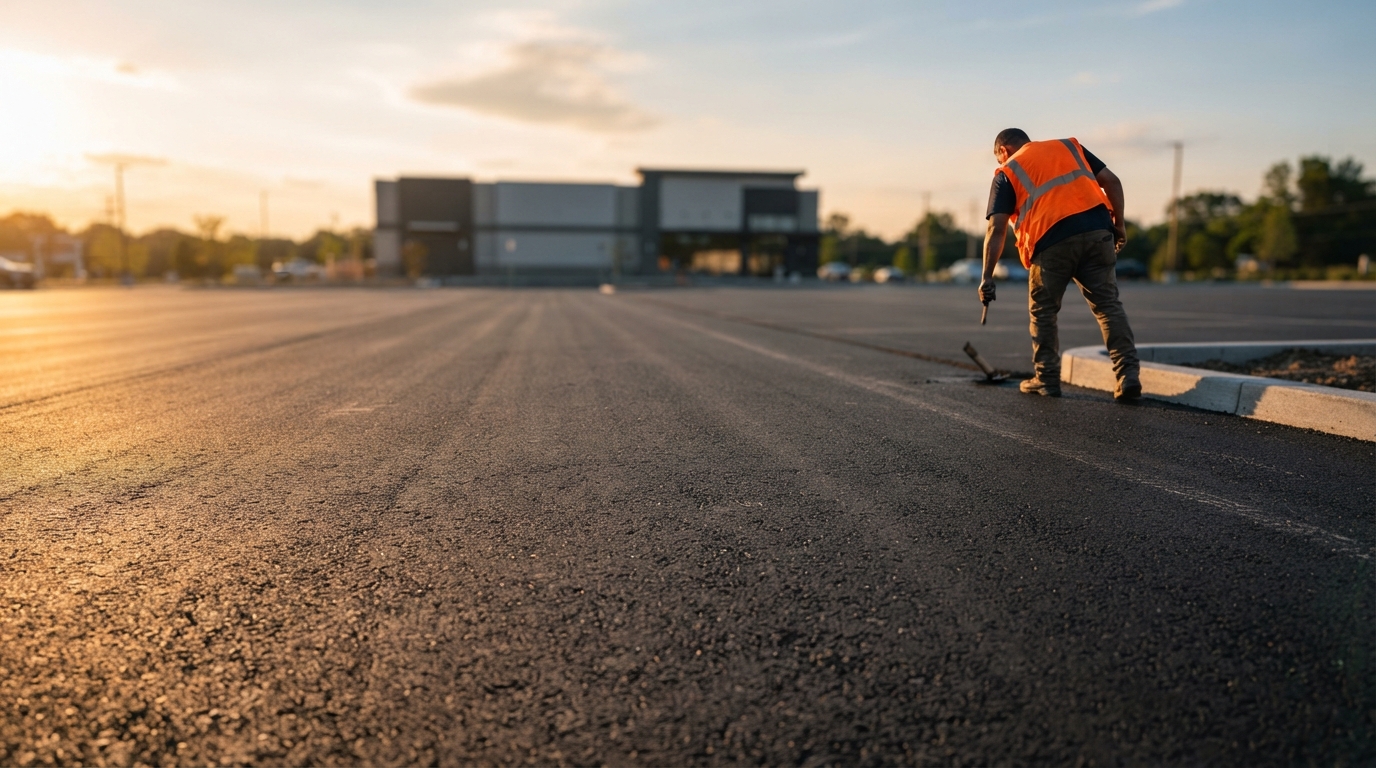
Full-depth asphalt installation or replacement for parking lots and private roads
-
Sealcoating to protect the surface from weather and traffic wear
-
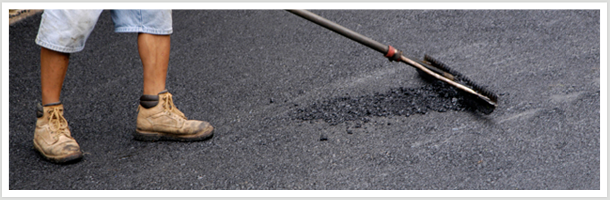
Repair of potholes, cracking, and surface damage on existing pavement
One Valdosta-based provider, CW Paving Company, describes this sequence directly on its site: crews evaluate the property and recommend grading before any asphalt goes down, since a properly prepared base is what keeps the surface from shifting or cracking later.
Why Base Preparation Matters in South Georgia
South Georgia’s mix of sandy soil, seasonal heavy rain, and high summer heat puts extra stress on pavement bases. Without correct grading, water collects under the asphalt layer and accelerates cracking and pothole formation.
The Federal Highway Administration’s pavement preservation guidance notes that treatments applied while pavement is still in good condition can slow deterioration and extend service life more cost-effectively than waiting for failure. That principle applies just as much to a commercial parking lot as it does to a public road: catching wear early, and building a solid base from the start, reduces long-term repair costs.
Comparing Common Commercial Paving Needs
Not every property needs the same scope of work. The table below outlines how common commercial paving needs differ in scope and urgency.
|
Project Type |
Typical Trigger |
Core Work Involved |
|
New parking lot installation |
New construction or expansion |
Grading, base compaction, full asphalt installation |
|
Full-depth replacement |
Pavement beyond repair |
Removal of old asphalt, new base, repaving |
|
Sealcoating |
Routine protection |
Surface sealing every two to three years |
|
Pothole and crack repair |
Isolated damage |
Patch or fill targeted problem areas |
Questions to Ask Before Hiring
A short conversation before signing a contract can prevent costly surprises later. Consider asking about the following:
-
Will the project include a site evaluation and grading plan before paving starts.
-
What asphalt mix or thickness is recommended for the expected traffic load.
-
How long the crew expects the surface to cure before it can handle regular use.
-
What maintenance schedule, such as sealcoating intervals, is recommended after installation.
A contractor who answers these clearly is more likely to deliver a lot that holds up under daily commercial traffic. Vague answers about base work or material specs are worth treating as a caution sign.
Service Area and Practical Considerations
Contractors serving Valdosta commonly cover Lowndes County and nearby communities across South Georgia and into North Florida. If a property sits outside a contractor’s usual radius, it is worth confirming availability directly rather than assuming coverage.
Turnaround time matters for businesses that cannot close a parking lot for long. Ask upfront how scheduling will minimize disruption to customers, deliveries, or staff parking during the project.
Frequently Asked Questions
How long does commercial asphalt paving typically last? With proper installation and regular maintenance, asphalt surfaces can last many years, though exact lifespan depends on climate, traffic volume, and how promptly repairs are addressed.
How soon can a new commercial lot be used after paving? Newly paved asphalt generally needs a short curing period before regular use, and heavy loads should be avoided for several days while the surface continues to harden.
How often should a commercial parking lot be sealcoated? Sealcoating every two to three years is a common recommendation to protect against weather exposure and traffic wear while maintaining appearance.
Does grading really affect the outcome of a paving project? Yes. Correct grading directs water away from the surface, which reduces the risk of cracking, pooling, and premature pavement failure.
Choosing a commercial asphalt contractor in Valdosta comes down to verifying that the basics are handled correctly: proper grading, suitable materials, and a realistic maintenance plan. Businesses that ask direct questions about site preparation and long-term care are better positioned to avoid repeat repairs and unplanned closures. CW Paving Company works with businesses, property managers, and homeowners across the Valdosta area on projects ranging from new installation to routine repair, and property owners planning a paving project can reach out directly to discuss site-specific needs.