Summary:
• Routine septic services, including tank pumping and inspections, prevent backups and extend the life of a septic system.
• Most residential systems need inspection every three to five years, with pumping frequency tied to household size and tank capacity.
• Lowell, IN homeowners benefit from scheduling service around seasonal water-use changes to avoid drain field strain.
Routine septic services protect a property by catching small problems, such as sludge buildup or minor leaks, before they turn into drain field failures or sewage backups. A property’s septic system is one of its most expensive hidden assets, and neglecting it can lead to repair costs far beyond the price of regular upkeep.
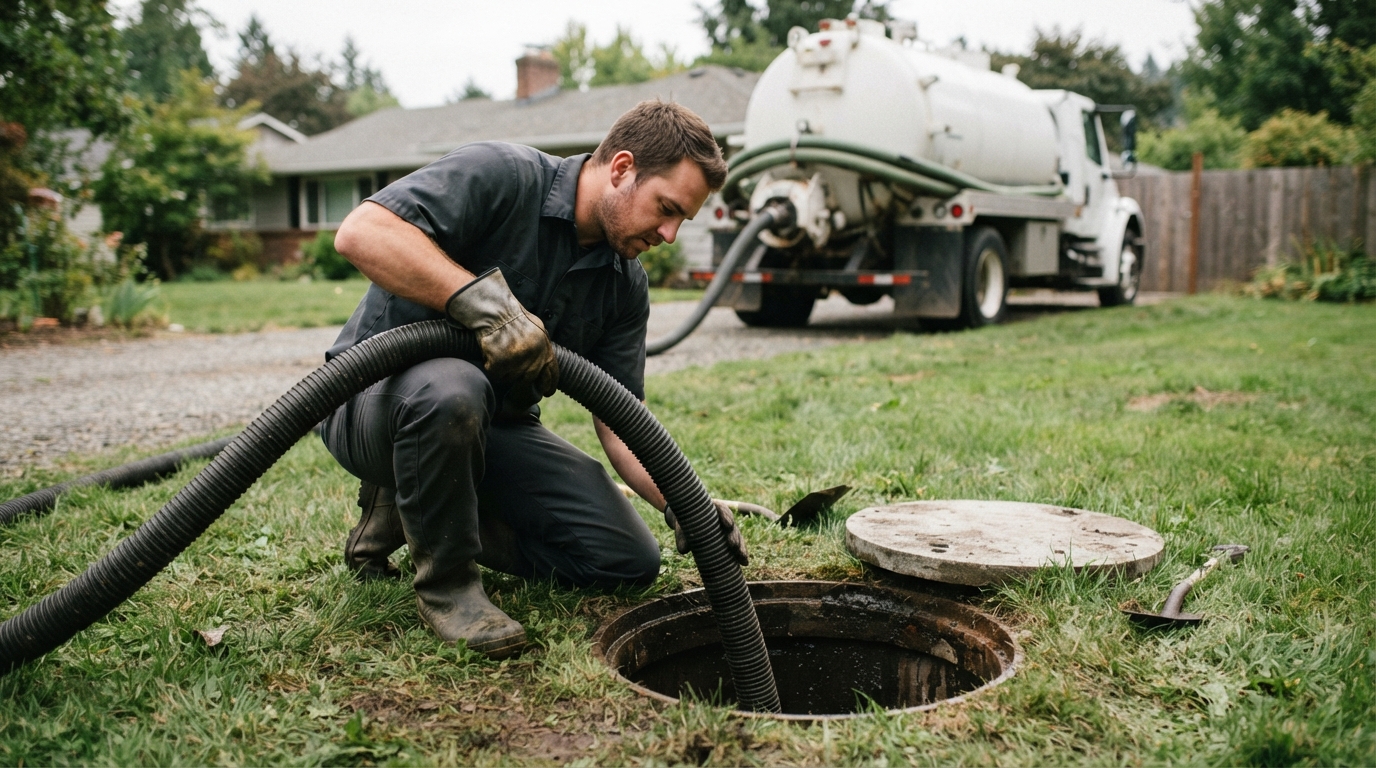
Septic Services typically cover tank pumping and cleaning, system inspections, and repairs to components such as pumps or drain lines. Homeowners who stay on a consistent maintenance schedule generally experience fewer emergency calls and get a longer working life from their systems compared to those who wait until a visible problem appears.
Why Routine Maintenance Matters for Property Owners
A septic system that goes unchecked accumulates solid waste in the tank until it overflows into the drain field, where repairs become significantly more expensive. According to the EPA’s guidance on septic system care, upkeep comes down to four main elements: inspecting and pumping on schedule, using water efficiently, disposing of waste properly, and protecting the drain field from damage.
Skipping these steps does not just risk a single repair bill. It can also:
• Shorten the overall lifespan of the tank and drain field
• Contaminate nearby soil and groundwater
• Lower property value if a system fails at the time of sale
• Create health hazards from untreated wastewater surfacing on the lawn
How Often Systems Need Service
Pumping and inspection schedules depend on tank size, household size, and daily water use. The table below outlines general guidance drawn from EPA homeowner resources.
| Service Type | Typical Frequency | Purpose |
| Visual inspection | Every 1 to 3 years | Check for leaks, scum, and sludge levels |
| Full tank pumping | Every 3 to 5 years | Remove accumulated solids and liquid waste |
| Drain field check | During inspections | Spot early signs of saturation or damage |
| Component repair | As needed | Address pumps, filters, or line issues |
These intervals are not fixed rules. A larger household, a garbage disposal in frequent use, or a smaller-than-average tank can all shorten the time between pump-outs.
Local Considerations for Lowell, IN Properties
Soil conditions and seasonal weather patterns around Lowell, IN can affect how a septic system performs throughout the year. Heavy spring thaw, saturated ground, and holiday gatherings that spike water use all put extra strain on a drain field.
Property owners in this area typically benefit from:
1. Scheduling inspections before spring thaw, when soil saturation is highest
2. Avoiding heavy laundry or dishwasher use right before large gatherings
3. Keeping vehicles and heavy equipment off the drain field area
4. Watching for slow drains, odors, or soggy patches near the tank location
Routine septic maintenance works best as a planned, recurring task rather than a reaction to a visible problem. Waiting until sewage backs up into a basement or the yard develops standing water usually means the repair bill has already grown substantially.
Frequently Asked Questions
How often should a residential septic tank be pumped? Most tanks need pumping every three to five years, though usage, household size, and tank capacity can shorten or lengthen that window.
What are warning signs that a septic system needs attention? Slow drains, gurgling pipes, sewage odors, and wet or unusually green patches over the drain field are common indicators that service is overdue.
Can additives replace regular pumping? No. Commercial septic additives do not eliminate the need for periodic pumping and may reduce drain field performance over time.
Does property type affect service frequency? Yes. Commercial and industrial properties generally produce more wastewater volume than single-family homes, which can require more frequent inspections.
Business Information and Next Steps
Based in Monee, IL, Jean’s Septic Inc. serves customers across Lowell, IN.
Click Here To Visit Jean’s Septic Inc. for current availability details published for the local service area.