• Properly installed insulation reduces heat transfer, lowering heating and cooling costs in Wisconsin homes.
• Spray foam, blown-in, and crawl space insulation each address different problem areas, from attics to rim joists.
• Professional home insulation services typically include an inspection before installing any material.
Home insulation services lower energy bills by closing the air gaps and thermal weak points that force furnaces and air conditioners to work harder. In colder climates like Wisconsin, attics, rim joists, and crawl spaces are common sources of heat loss, and sealing them with the right material directly reduces the energy needed to maintain indoor temperature.
Professional installation matters because insulation performance depends on correct placement, consistent coverage, and the right R-value for each part of the home. A licensed contractor evaluates these factors before recommending a material, which is why many homeowners in the region research home insulation services in Madison, WI, before scheduling an assessment.
Why Insulation Quality Affects Energy Costs
Heat moves naturally from warm areas to cold ones, and insulation slows that transfer. When insulation is thin, compressed, or missing in sections, conditioned air escapes faster, and heating or cooling systems run longer to compensate.
• Attics with gaps or settled insulation lose heat through the roofline in winter.
• Rim joists and basement walls are frequent sources of drafts if left unsealed.
• Crawl spaces with exposed soil or poor insulation can introduce moisture and temperature swings into the floor above.
Wisconsin sits in a cold climate zone, and recommended attic insulation levels reflect that. According to the U.S. Department of Energy’s insulation guidance, recommended R-values for uninsulated attics in cold climate zones are higher than in milder regions, so local climate conditions in Madison, WI, should guide material and thickness choices rather than generic national averages.
Common Insulation Types Used in Wisconsin Homes
Different areas of a house call for different materials based on space, moisture exposure, and accessibility.
| Insulation Type | Best Used For | Key Characteristic |
| Spray foam | Attics, rim joists, crawl spaces | High R-value per inch, also air-seals gaps |
| Blown-in cellulose or fiberglass | Open attic floors | Cost-effective coverage over large areas |
| Crawl space insulation | Below-grade or vented crawl spaces | Reduces moisture and floor-level drafts |
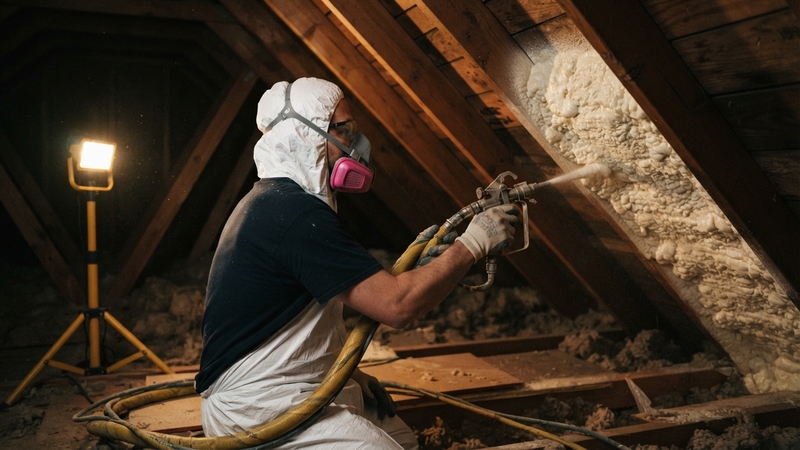
Spray foam is often chosen for areas where air sealing and insulation need to happen in one step, since it expands to fill irregular cavities that batt or blown materials cannot reach.
What a Professional Insulation Assessment Includes
A home insulation service typically begins with a walk-through rather than an immediate installation. This step identifies which areas are underinsulated and which materials fit the space.
1. Visual inspection of the attic, crawl space, and accessible wall cavities.
2. Measurement of existing insulation depth and condition.
3. Identification of air leaks around penetrations, such as wiring, plumbing, and ductwork.
4. A recommendation for material type and coverage based on the home’s construction.
Based in Stoughton, WI, Foamtech LLC follows this same inspection-first approach for homes across Madison, WI, before any spray foam, blown, or crawl space work begins.
Frequently Asked Questions
Does adding insulation really lower heating bills in Wisconsin? Reducing heat loss through attics, walls, and crawl spaces decreases how often a furnace needs to run, which can translate into measurable savings on heating costs during cold months.
How do I know if my attic insulation needs to be upgraded? Signs include uneven indoor temperatures, ice dams on the roof in winter, and visible gaps or compressed insulation when viewed from the attic access point.
Is spray foam better than blown-in insulation? Spray foam offers a higher R-value per inch and air-seals as it expands, while blown-in materials are often more economical for covering large, open attic floors.
How often should crawl space insulation be inspected? Crawl spaces are prone to moisture and pest issues, so a periodic check, especially after extreme weather, helps catch problems before they affect the insulation’s performance.
Next Steps for Checking Local Service Details
Current listing information for Foamtech LLC is published online for the surrounding service area. Homeowners weighing an insulation upgrade can use that listing alongside the guidance above to compare materials and scope before scheduling an in-home assessment.