Snapshot:
• Tree trimming removes damaged, overgrown, or hazardous limbs to protect property and encourage healthy growth.
• Timing, cut placement, and canopy percentage removed all affect how well a tree recovers.
• Hiring a licensed professional reduces injury risk and helps avoid improper cuts that weaken tree structure.
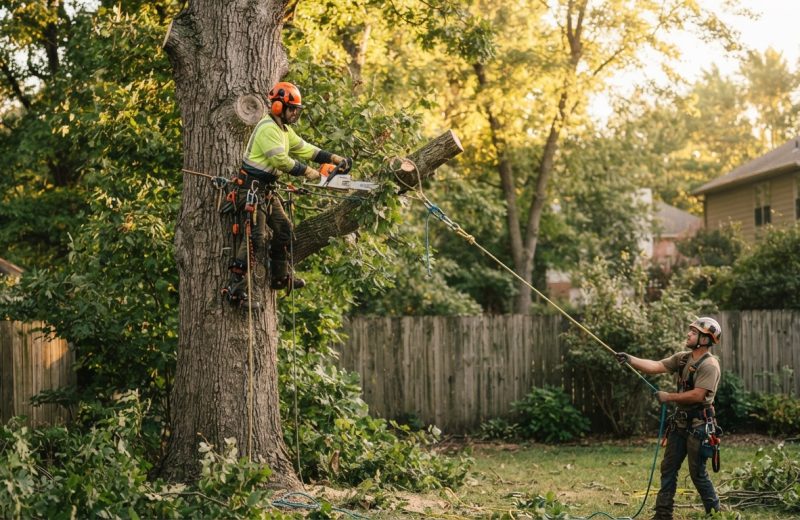
Tree trimming is the practice of selectively removing branches to improve a tree’s health, structure, and safety around a property. Done correctly, it reduces storm damage risk, clears space from structures and power lines, and supports stronger long-term growth rather than just shaping foliage for appearance.
Homeowners searching for guidance on Tree Trimming St. Petersburg FL are often trying to figure out when to schedule it, how much canopy is safe to remove, and whether the job calls for a professional. Pinellas County’s dense tree canopy and frequent storm activity make those questions more than cosmetic, since poor pruning choices can leave a tree structurally weaker heading into hurricane season.
Why Trimming Timing Matters in St. Petersburg, FL
Pruning schedules in Florida differ from cooler climates because trees here rarely go fully dormant. Extension guidance notes that the best pruning principles involve knowing why a tree is being pruned and not removing more than about twenty-five to thirty percent of the live canopy in one growing season.
• Late winter to early spring : A common window for structural pruning before new growth accelerates.
• After storms : Dead, broken, or hanging limbs should be addressed promptly regardless of season.
• Avoid heavy pruning right before a cold snap , since fresh cuts can push tender new growth that is vulnerable to cold injury, a pattern noted in guidance that some plants benefit from dormancy pruning because it can reduce pest and disease pressure, though pruning too early can trigger tender new growth susceptible to late-freeze injuries.
Local humidity and rapid growth rates also mean trimmed trees in this region often need more frequent maintenance checks than in drier climates.
How Proper Trimming Cuts Protect Tree Health
Where and how a branch is cut matters as much as when. University of Florida horticulture guidance outlines a standard three-cut method: an undercut is made on the underside of the branch about 12 inches away from the branch collar, cutting a quarter to halfway through the limb, followed by a second cut further out to remove the weight safely.
Key principles that separate correct pruning from damaging cuts:
1. Never flush-cut a branch. Extension research explains that flush cuts damage the tree’s growth layer and prevent proper healing, while angled final cuts help prevent water from pooling on the wound.
2. Avoid topping or “hat-racking” a tree. A UF/IFAS homeowner guide states plainly that gardeners should never hat-rack or top trees, since it is harmful to the tree’s long-term health and leaves it more susceptible to wind damage; thinning the canopy instead allows wind to pass through.
3. Preserve the branch collar so the tree can seal the wound naturally rather than leaving it exposed to decay organisms.
Tree structure built through correct pruning habits also plays a direct role in storm resilience, which matters for a hurricane-prone coastal area.
Trimming Approaches Compared
| Approach | Typical Use | Risk Level if Done Wrong |
| Light canopy thinning | Routine maintenance, airflow improvement | Low |
| Structural pruning (young trees) | Shaping trunk/branch spacing early | Moderate |
| Storm/hazard limb removal | Dead, cracked, or overhanging limbs | High without proper rigging |
| Topping/hat-racking | Not recommended | High; weakens structure long-term |
Safety Considerations Before Any Trim
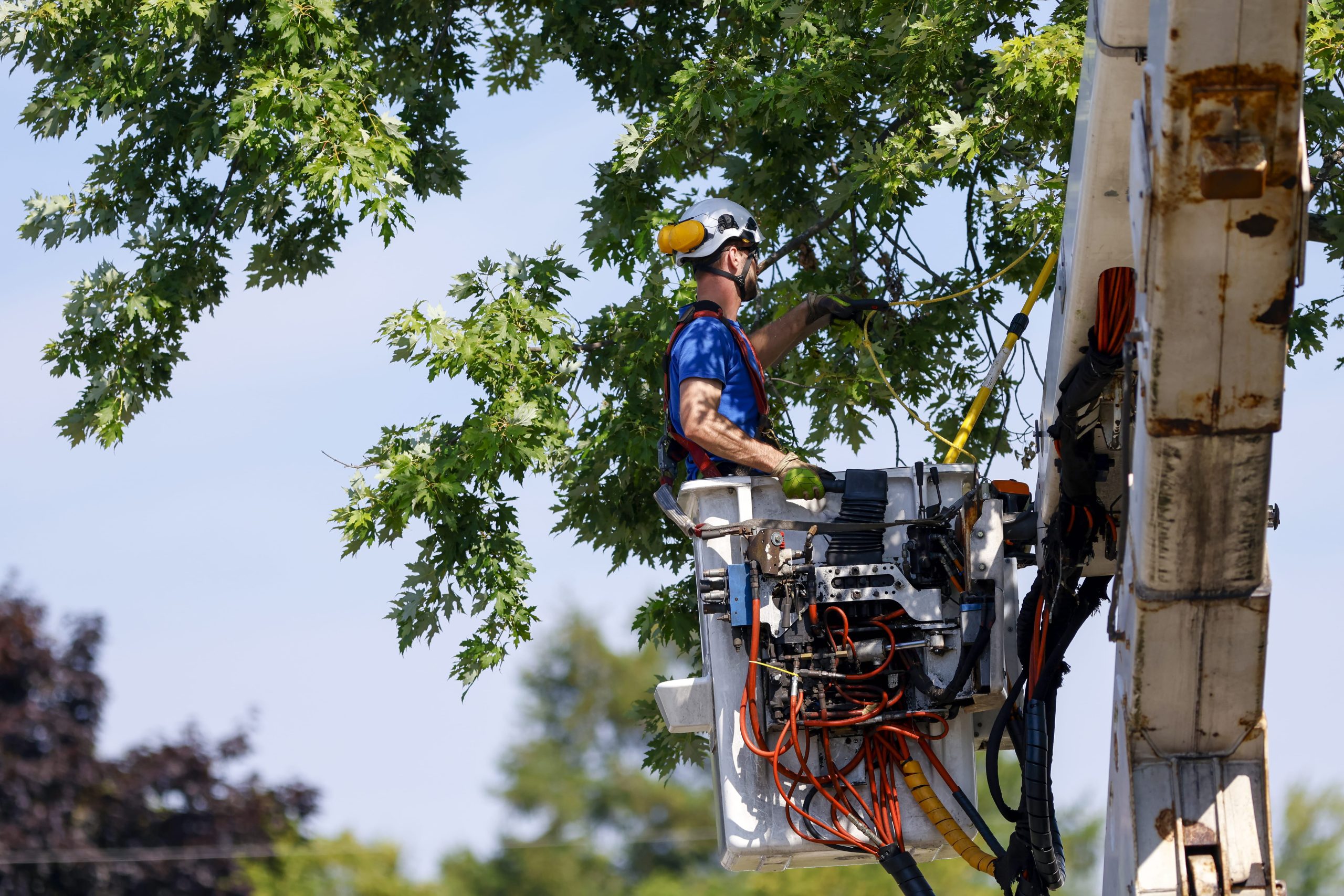
Tree work carries real physical risk, and height, power lines, and heavy limbs are common hazards. Extension safety guidance warns that homeowners should keep their feet on the ground unless trained and tied in, since amateurs have suffered serious injuries, including paralysis, from falling off ladders while trimming; if limbs are out of pole-saw reach, a certified arborist with liability and workers’ compensation insurance should be hired. Electrical hazards add another layer of risk: OSHA requirements forbid tree workers, unless certified as a Line Clearance Tree Trimmer, from working in any tree closer than ten feet to an energized utility line, a detail documented by UF/IFAS Extension.
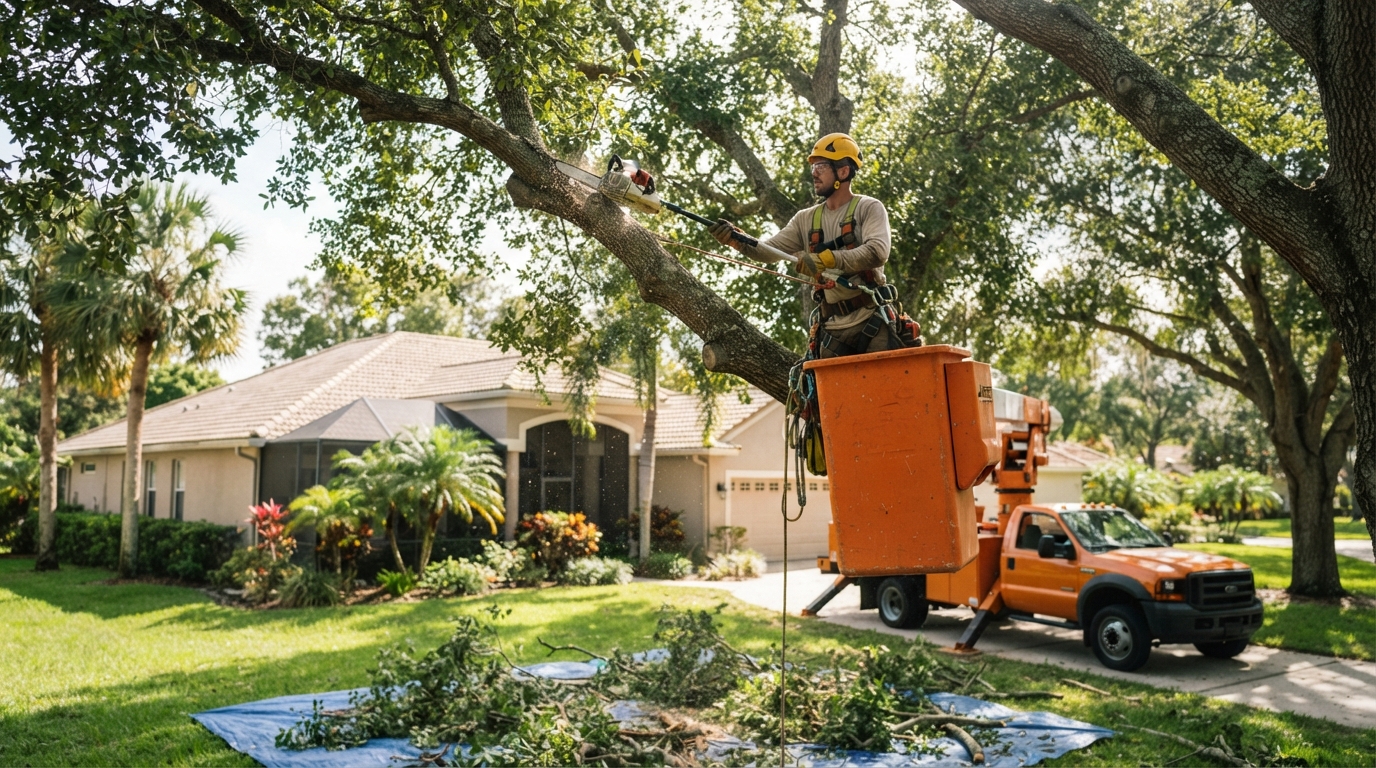
Properties near utility lines, fences, or roofs generally call for licensed, insured crews rather than DIY ladder work.
Based in USA, On Demand Tree Service serves customers across St. Petersburg, FL for residential and commercial tree care needs. The business provides On Demand Tree Service information including service categories such as trimming, hedge and palm trimming, tree removal, and stump grinding through its published profile.
Frequently Asked Questions
How often should trees be trimmed? Frequency depends on species, age, and location, but most mature landscape trees benefit from an inspection every one to three years, with faster-growing species needing more frequent attention.
Can trimming too much canopy harm a tree? Yes. Removing more than the recommended share of live canopy in a single season can stress the tree and reduce its ability to recover from storms or pests.
Does tree trimming require a permit in St. Petersburg, FL? Permit requirements can vary by tree species, size, and whether the tree is protected, so checking with local regulations before major pruning is advisable.
Is topping ever an acceptable practice? No. Horticulture guidance identifies topping as harmful and recommends canopy thinning instead to maintain structural integrity.
Looking Into Local Tree Trimming Options
Current service details for On Demand Tree Service are available for residents comparing tree care options in the area. Readers weighing a trimming schedule can use the guidance above alongside local Extension resources to plan work that protects both tree health and property safety through the region’s growing and storm seasons.