Recap:
- A mold inspection identifies visible growth, hidden moisture, and the conditions that allow mold to spread inside a home.
- Honolulu, HI properties face added risk due to year-round humidity and frequent water intrusion through roofs, walls, and plumbing.
- Inspection findings guide whether a space needs simple drying or a full remediation plan.
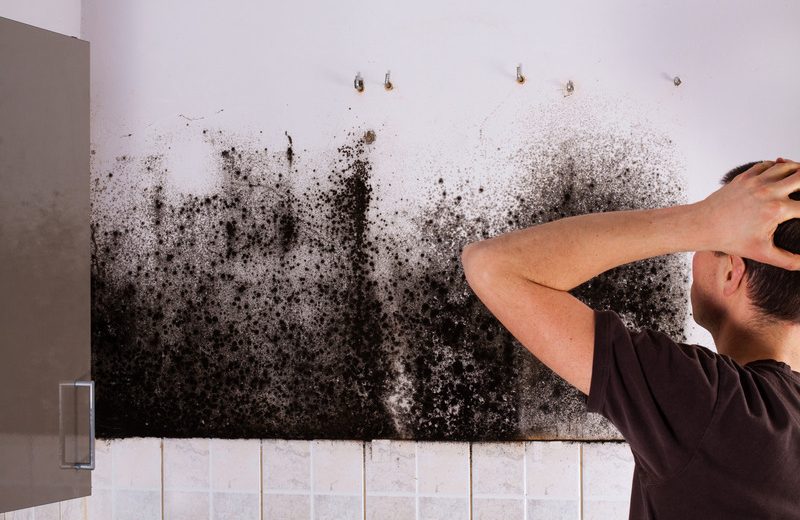
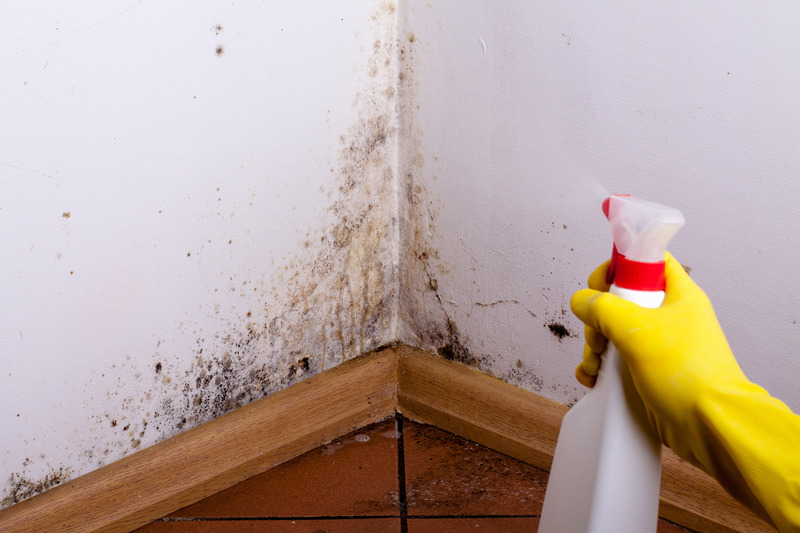
A mold inspection is a structured visual and moisture-based assessment of a property to find existing mold growth, identify the water source feeding it, and determine how far the problem has spread. For homeowners wondering whether a musty smell or a water stain is worth investigating, the direct answer is that any lingering odor, discoloration, or past leak history is reason enough to have the area checked before damage expands.
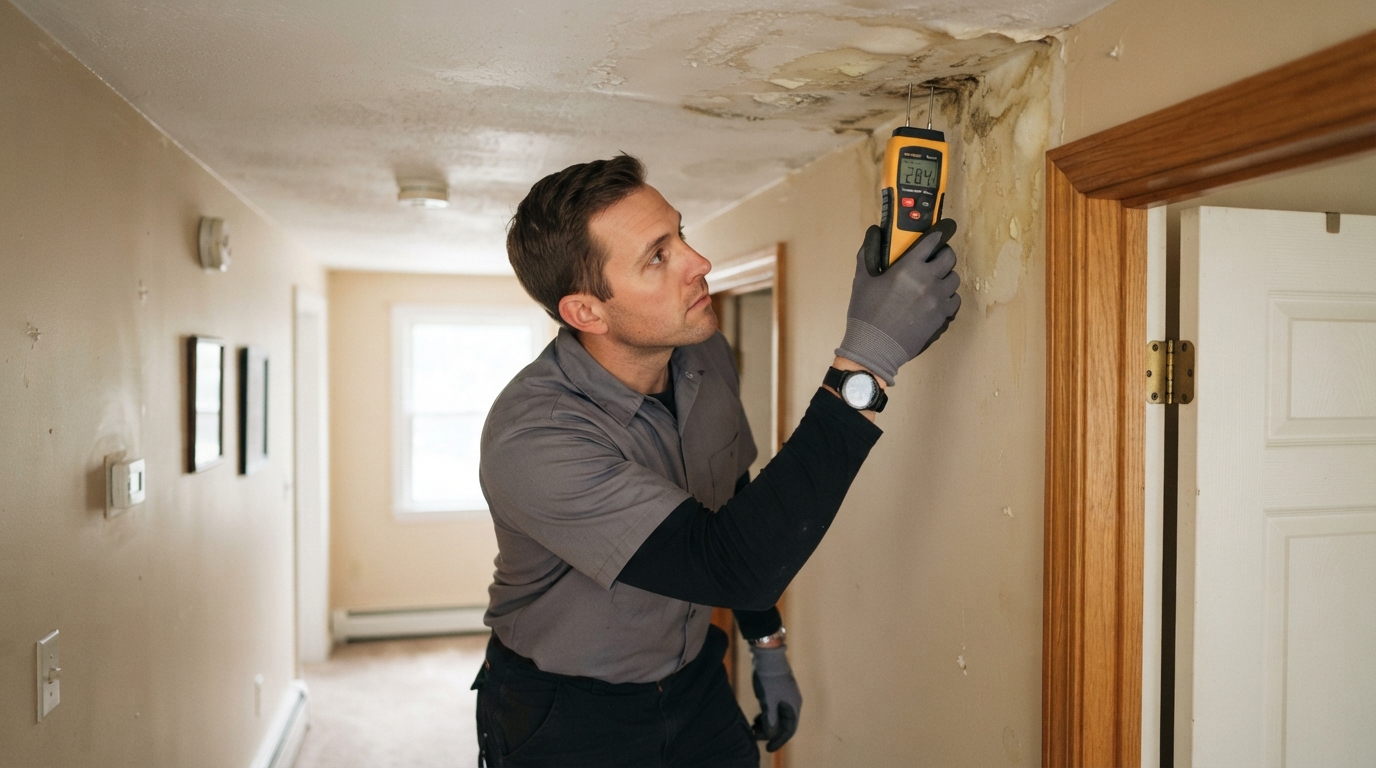
A mold inspection services typically starts with a walkthrough of the property to document visible signs of growth, moisture staining, and areas where past leaks or humidity have created conditions mold needs to thrive. Inspectors also check less obvious locations such as behind drywall, under flooring, and inside HVAC components where moisture can collect unnoticed. This step matters most in homes that have experienced flooding, roof leaks, or plumbing failures, since those events often leave hidden moisture long after surfaces appear dry.
Why Humidity in Honolulu, HI Raises the Stakes
Hawaii’s climate creates conditions that accelerate mold growth compared to drier regions on the mainland. Humidity levels that stay elevated for much of the year mean that water-damaged materials can begin supporting mold growth faster than homeowners expect.
The U.S. Environmental Protection Agency notes that drying water-damaged areas and items within 24 to 48 hours is a key step in preventing mold from establishing itself, a window that can close faster in consistently humid conditions like those found across Honolulu, HI. Homes with ceiling leaks, bathroom condensation, or inadequate ventilation are especially exposed, since trapped moisture behind walls or above ceilings rarely dries without intervention.
What Gets Checked During the Inspection Process
A thorough inspection generally covers several distinct areas rather than a single surface check. The scope typically includes:
- Visual review of walls, ceilings, and flooring for staining, warping, or discoloration
- Moisture readings taken with specialized meters in walls, subfloors, and ceiling cavities
- Identification of the active or past water source, such as a roof leak, plumbing issue, or drainage problem
- Assessment of HVAC systems, since ductwork and air handlers can circulate spores through a building
- Documentation of affected square footage to help determine whether remediation is minor or extensive
According to EPA guidance, in most cases sampling is unnecessary when mold growth is already visible, since the recommended response is the same regardless of species: remove the mold and correct the underlying moisture problem. This means an inspection’s main value often lies in locating the moisture source and scope of damage rather than lab testing alone.
Inspection Outcomes: Minor Fix vs. Full Remediation
The following comparison outlines how inspection findings typically shape next steps.
| Finding | Likely Scope | Typical Response |
| Small visible patch, dry surrounding area | Minor | Surface cleaning, moisture source correction |
| Water staining with elevated moisture readings | Moderate | Targeted drying, material removal in isolated areas |
| Mold behind walls or in HVAC components | Extensive | Containment, professional remediation, air handling review |
| Recurring mold after prior cleanup | Chronic moisture issue | Deeper investigation into structural or plumbing source |
An inspection that uncovers hidden moisture behind walls or inside HVAC systems generally signals a larger scope of work than a small, isolated surface patch.
Frequently Asked Questions
How long does a mold inspection take? Inspection time varies with property size and the number of areas showing signs of past water intrusion, though most residential walkthroughs are completed within a single visit.
Does a musty smell always mean visible mold will be found? Not necessarily. An odor without visible growth can indicate hidden mold behind walls or under flooring, which is why moisture meters and a broader walkthrough are part of a complete inspection.
Is lab testing always required after an inspection? No. Testing is generally reserved for cases where mold is suspected but not visually confirmed, since visible growth already indicates the same corrective steps are needed.
What happens after an inspection identifies a problem? Findings typically guide whether the next step is simple drying and cleaning or a structured remediation plan involving containment and material removal.
Business Info
Based in USA, Legacy Mold & Remediation serves customers across Honolulu, HI, with services centered on mold inspection, remediation, and related water damage response.
Current service area and contact details for Legacy Mold & Remediation are published for reference.
A property owner weighing whether a water stain or odor warrants professional attention can use the inspection process outlined above as a starting point for deciding what level of response is appropriate.