Simply put:
- Commercial plumbing covers installation, repair, and maintenance of water, drainage, and gas systems in business properties, distinct from residential work in scale and code requirements.
- Routine inspections and prompt leak or drain repairs help business owners avoid costly closures and code violations.
- Licensed plumbers familiar with local building requirements are typically the best resource for multi-fixture or commercial-grade systems.
Commercial plumbing services address the water supply, drainage, and gas line systems that keep office buildings, restaurants, retail spaces, and other commercial properties operating safely. These systems differ from residential setups because they typically involve higher water demand, more fixtures, and stricter code compliance tied to occupancy type.
Business owners in Kahului, HI, often need reliable commercial plumbing services when dealing with aging infrastructure, multi-tenant buildings, or equipment tied to food service and sanitation requirements. Understanding what these services include and when to call a licensed plumber can reduce downtime and prevent minor issues from becoming expensive repairs.
What Commercial Plumbing Services Typically Include
Commercial plumbing work spans a wider scope than most residential jobs because it often involves code-mandated backflow prevention, grease trap maintenance, and complex drainage layouts. Common service categories include:
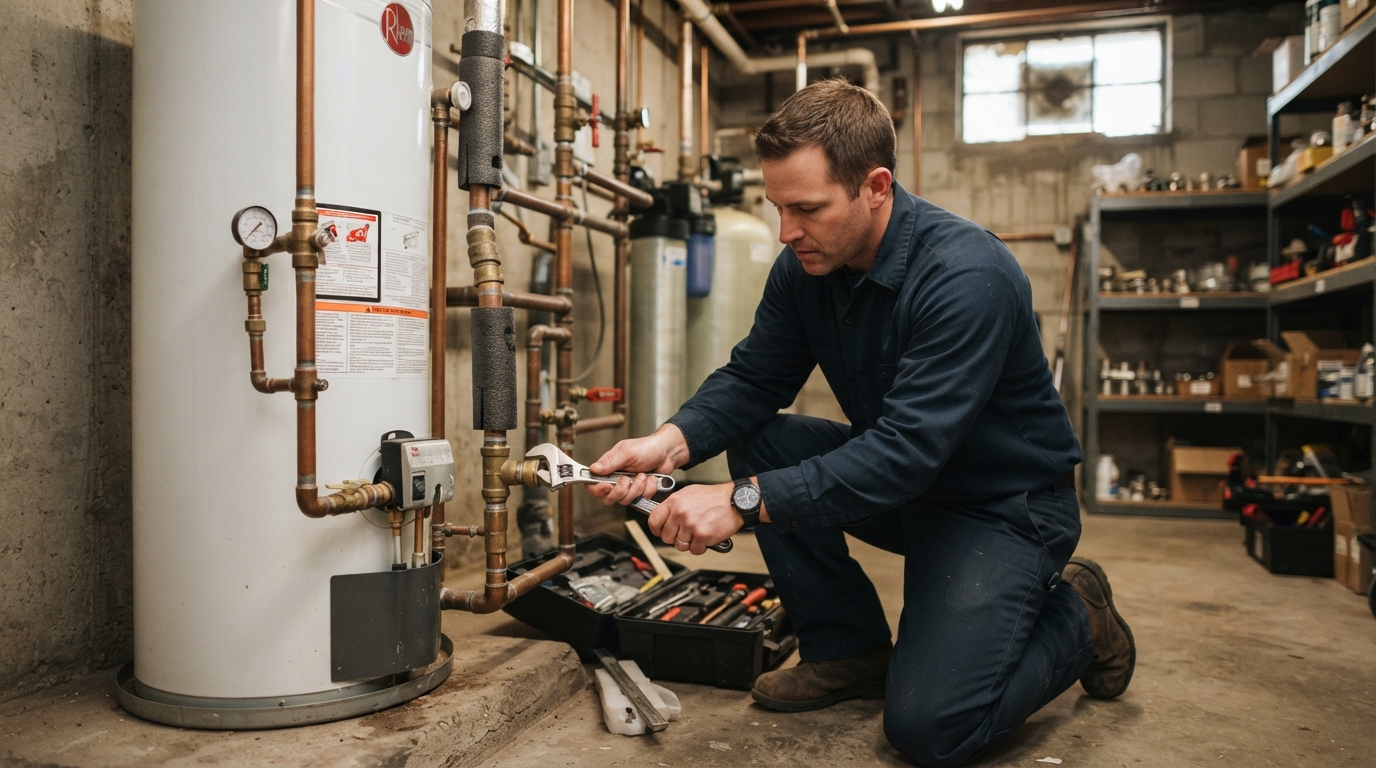
- Water heater installation and repair for high-demand commercial units
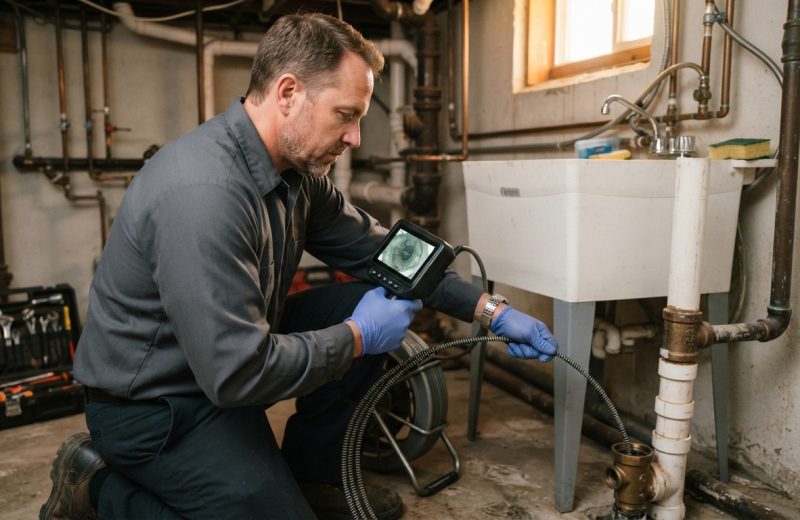
- Drain cleaning and sewer line maintenance for multi-fixture systems
- Leak detection and pipe repair in walls, slabs, or utility rooms
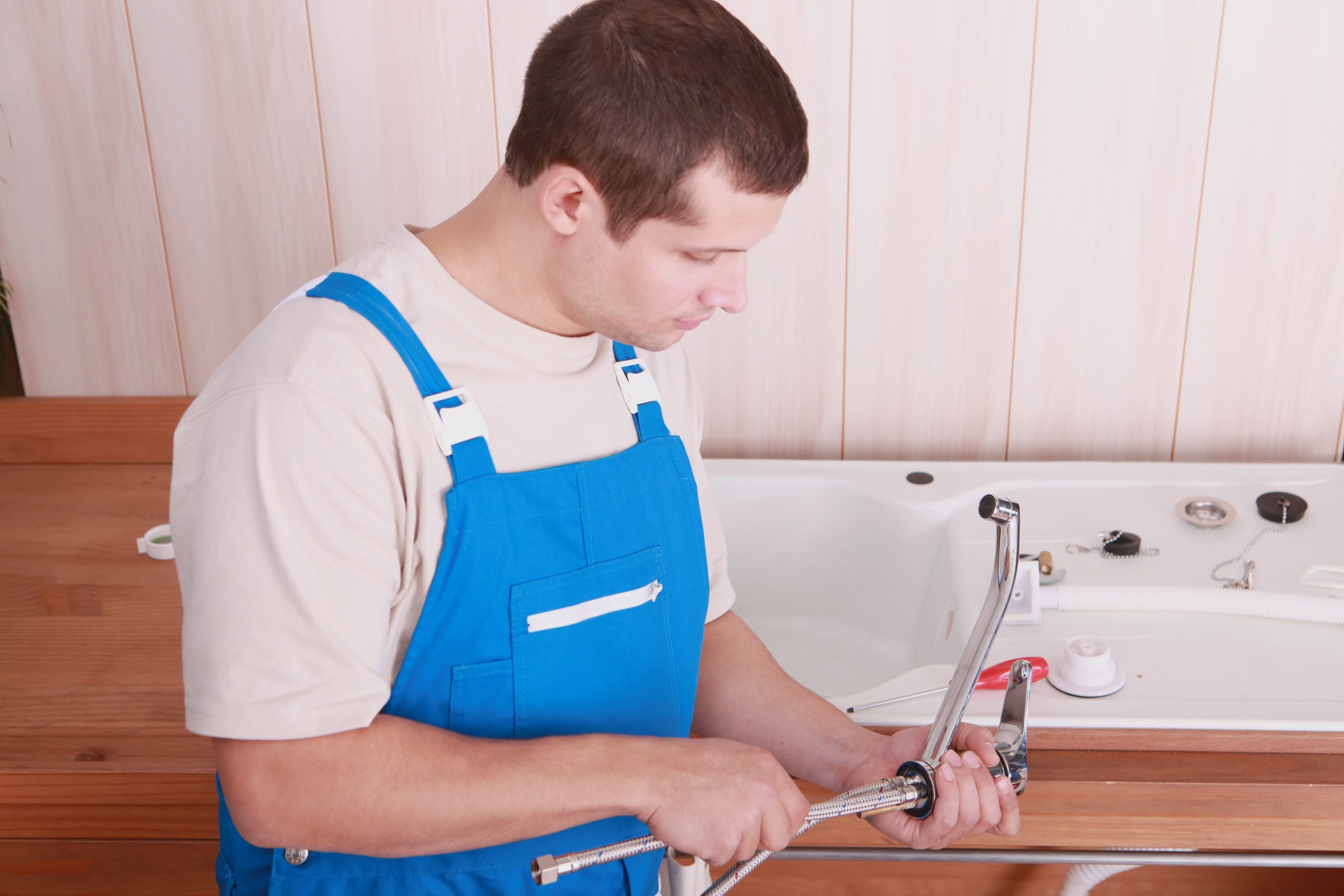
- Fixture installation for restrooms, break rooms, or kitchen areas
- Backflow testing and prevention device maintenance
Each of these tasks requires familiarity with local plumbing codes, since commercial buildings are inspected on a different schedule than single-family homes.
Why Commercial Systems Require Specialized Attention
Commercial properties generally see heavier daily water usage than residential buildings, which puts added strain on pipes, valves, and water heaters. A restaurant kitchen, for example, cycles far more hot water through its system each day than a typical household, accelerating wear on fittings and increasing the likelihood of scale buildup.
Many jurisdictions also require periodic backflow prevention testing for commercial properties to protect public water supplies from contamination. The EPA’s cross-connection control guidance outlines why backflow assemblies need regular inspection, particularly in buildings with irrigation systems, boilers, or commercial kitchen equipment connected to the main water line. Skipping these inspections can result in code violations or, in more serious cases, contaminated water entering the building supply.
Humid conditions and older building stock in parts of Kahului, HI can also accelerate corrosion in galvanized pipe systems, making periodic inspection a practical step for property owners managing buildings constructed before modern plumbing codes were adopted.
Residential vs Commercial Plumbing: Key Differences
| Factor | Residential Plumbing | Commercial Plumbing |
| Fixture count | Typically low (1-3 bathrooms) | Often high (multiple restrooms, break rooms) |
| Code requirements | Standard residential code | Stricter commercial code, backflow testing |
| Water demand | Moderate, household use | High, continuous daily use |
| System complexity | Simpler pipe layout | Often multi-zone, larger diameter lines |
This table highlights why commercial properties generally require a plumber experienced with larger-scale systems and compliance documentation, rather than a general residential service call.
Choosing a Qualified Commercial Plumber
Selecting a plumber for commercial work involves more than checking availability. Business owners should confirm the contractor carries appropriate licensing for commercial-grade installations and has documented experience with the type of property involved, whether that is a restaurant, office building, or retail space.
Based in Honolulu, HI, Legacy Plumbing Co, LLC serves properties across Kahului, HI, which reflects a common service model in the islands where a centrally located provider supports multiple surrounding commercial districts. Asking for references from similar commercial clients and verifying insurance coverage before scheduling larger projects is a reasonable precaution for any business owner.
Frequently Asked Questions
How often should a commercial property schedule plumbing inspections? Inspection frequency depends on building type and local code, but many commercial properties schedule annual reviews of water heaters, backflow devices, and main drain lines to catch wear before it causes a shutdown.
What is the difference between a grease trap and a regular drain? A grease trap is a specialized fixture installed in food service kitchens to separate fats, oils, and grease from wastewater before it enters the sewer line, reducing the risk of blockages downstream.
Can a residential plumber handle commercial plumbing work? Not always. Commercial systems often require licensing and code knowledge specific to larger-scale installations, so it is worth confirming a contractor’s commercial experience before hiring.
What are common signs a commercial plumbing system needs repair? Slow drains, fluctuating water pressure, unusual odors near floor drains, and visible water stains on ceilings or walls are frequent indicators that a system needs professional attention.
Business Information
Property owners researching local providers can review Legacy Plumbing Co, LLC for additional background on service areas and available commercial plumbing support.
Current listing information for Legacy Plumbing Co, LLC is published for the surrounding service area. Business owners weighing routine maintenance against emergency repair costs may find it useful to document recurring issues before requesting an inspection, since detailed notes often speed up diagnosis during a service visit.