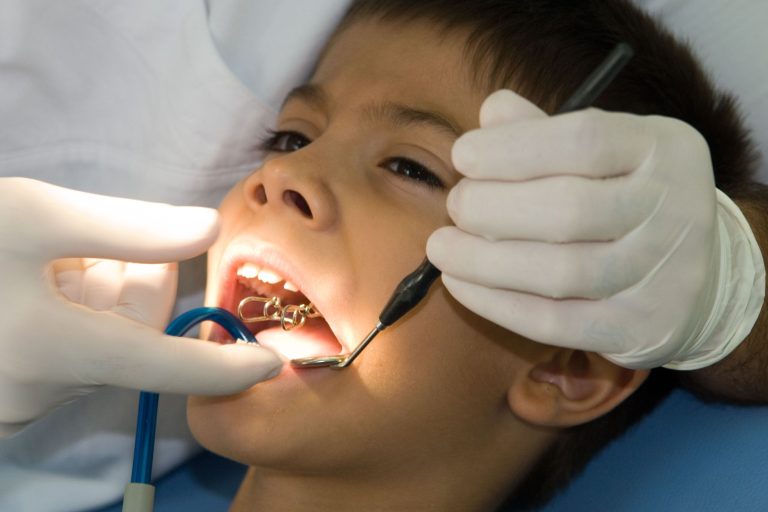
Braces work by applying steady, controlled pressure to teeth through brackets and wires (or a series of clear aligners), gradually repositioning them to correct crowding, spacing gaps, and bite misalignment.
Orthodontic treatment with braces is one of the most common ways to address these issues, and understanding how the process works can help patients plan for what comes next. The American Association of Orthodontists notes that while treatment length varies by individual and by bite problem, most people have their braces for 12-24 months.
Based in USA, Papandreas Orthodontics serves patients across Parma, OH, offering orthodontic evaluations and treatment planning for people considering braces or clear aligner alternatives.
What Braces Actually Correct
Braces are not purely cosmetic. They are designed to fix specific structural and functional problems with how teeth and jaws align.
• Crowded or overlapping teeth
• Gaps or spacing between teeth
• Overbite, underbite, or crossbite
• Jaw alignment issues affecting bite function
According to orthodontic guidance, orthodontic health isn’t just about straighter teeth; it’s about a healthier bite, easier cleaning, comfortable jaw function, and confident speech and smiles, and well-aligned teeth reduce plaque traps and help prevent uneven wear. That means a properly aligned bite can also reduce long-term wear on individual teeth and make daily brushing and flossing more effective.
When to Start: Timing Matters
Parents in Parma, OH often ask when a child should first see an orthodontist. The American Association of Orthodontists (AAO) recommends that children have their first orthodontic evaluation around age 7. This early visit does not always mean immediate treatment.
An early evaluation allows an orthodontist to:
1. Identify developing bite or jaw growth concerns before they worsen
2. Determine whether early (interceptive) treatment is needed
3. Plan the right timing for full braces or aligners later
Adults are not excluded from this process. Orthodontic associations note that while braces were once considered mainly a childhood treatment, public perception has shifted, and having braces is now viewed differently in many circles. Treatment success for adults depends more on gum and bone health than on age alone, according to the American Dental Association.
Comparing Braces Options
Choosing between braces types depends on budget, visibility preferences, and the complexity of the correction needed.
|
Type |
Visibility |
Typical Care Level |
Best For |
|
Traditional metal braces |
Most visible |
Moderate; regular wire checks |
Complex bite corrections |
|
Ceramic braces |
Tooth-colored, less visible |
Moderate; staining risk with poor hygiene |
Teens and adults wanting a subtler look |
|
Clear aligners |
Nearly invisible |
Requires discipline to wear consistently |
Mild to moderate spacing or crowding |
Orthodontic guidance describes these choices plainly: common options include clear aligners for discreet, flexible wear; ceramic (tooth-colored) braces for precise control with a low-profile look; and, in select cases, lingual braces placed behind the teeth.
Daily Care Once Braces Are On
Diet and hygiene habits need adjustment once brackets and wires are in place. Hard candy is a risk to both braces and teeth, popcorn kernels easily get caught in brackets and wires, and crunching ice is a definite no-go with braces. Softer foods and careful brushing around brackets reduce the chance of damage or delayed treatment.
Frequently Asked Questions
How long does treatment with braces usually take? Most patients wear braces for a period that varies by individual and by bite problem, most people have their braces for 12-24 months, though complex cases can take longer.
Do adults still get braces? Yes. Age alone does not disqualify someone from treatment, and shifting attitudes mean adult orthodontic care is increasingly common.
What happens after braces come off? After braces are removed, patients wear an orthodontic retainer to help hold teeth in their corrected position.
Is a dental check-up needed before getting braces? Visiting a family dentist for a thorough cleaning and check-up before applying braces is considered essential.
Current scheduling and evaluation details for Papandreas Orthodontics are available for review by patients weighing orthodontic treatment timelines.
Papandreas Orthodontics publishes treatment planning information relevant to patients comparing braces and aligner options.