Bottom line:
• Routine cleaning, inspection, and refractory care are the main levers that extend burner service life in industrial settings.
• Carbon buildup and refractory wear are the most common causes of early burner failure and efficiency loss.
• Scheduled professional maintenance reduces unplanned downtime and supports safer, more consistent combustion.
Burners last longer when carbon deposits, refractory wear, and fuel-air imbalances are addressed before they cause component failure. Consistent inspection schedules paired with targeted cleaning and coating work are the most reliable way to protect burner longevity in refineries, ethylene plants, and other high-heat industrial facilities.
Industrial burners operate under continuous thermal stress, and that stress accumulates in predictable ways. Fuel contaminants, ash, and scale gather on burner tips and internal surfaces over time, which restricts airflow and disrupts the fuel-to-air ratio needed for clean combustion. A federal energy efficiency guide notes that burner performance issues often stem from “contaminants in the fuel” that lead to tip plugging and recommends that maintenance personnel “inspect the burner daily, tag dirty burners, and clean the tips as required” to protect combustion efficiency (U.S. Department of Energy).
Why Burners Wear Down Faster Than Expected
Several conditions accelerate burner degradation in petrochemical and refining environments:
• Carbon and scale accumulation on inner and outer surfaces restricts airflow and reduces combustion efficiency.
• Refractory cracking or spalling from repeated thermal cycling exposes burner components to heat levels they were not designed to handle.
• Fuel contaminants that plug burner ports, creating uneven flame patterns and higher emissions.
• Deferred inspections that allow minor issues to progress into costly component replacement.
Refractory condition is closely tied to burner performance. Repeated thermal cycling can cause gaps to form between refractory modules, which increases heat loss and can create hot spots on the casing if left unaddressed, according to an industry report in Chemical Processing’s guidance on fired equipment efficiency. Left unresolved, this type of damage tends to compound, turning a routine repair into a larger equipment overhaul.
Maintenance Practices That Support Longer Burner Life
Preventive care is generally less costly than reactive repair. Facilities that extend burner service life typically follow a consistent maintenance rhythm rather than waiting for visible performance loss.
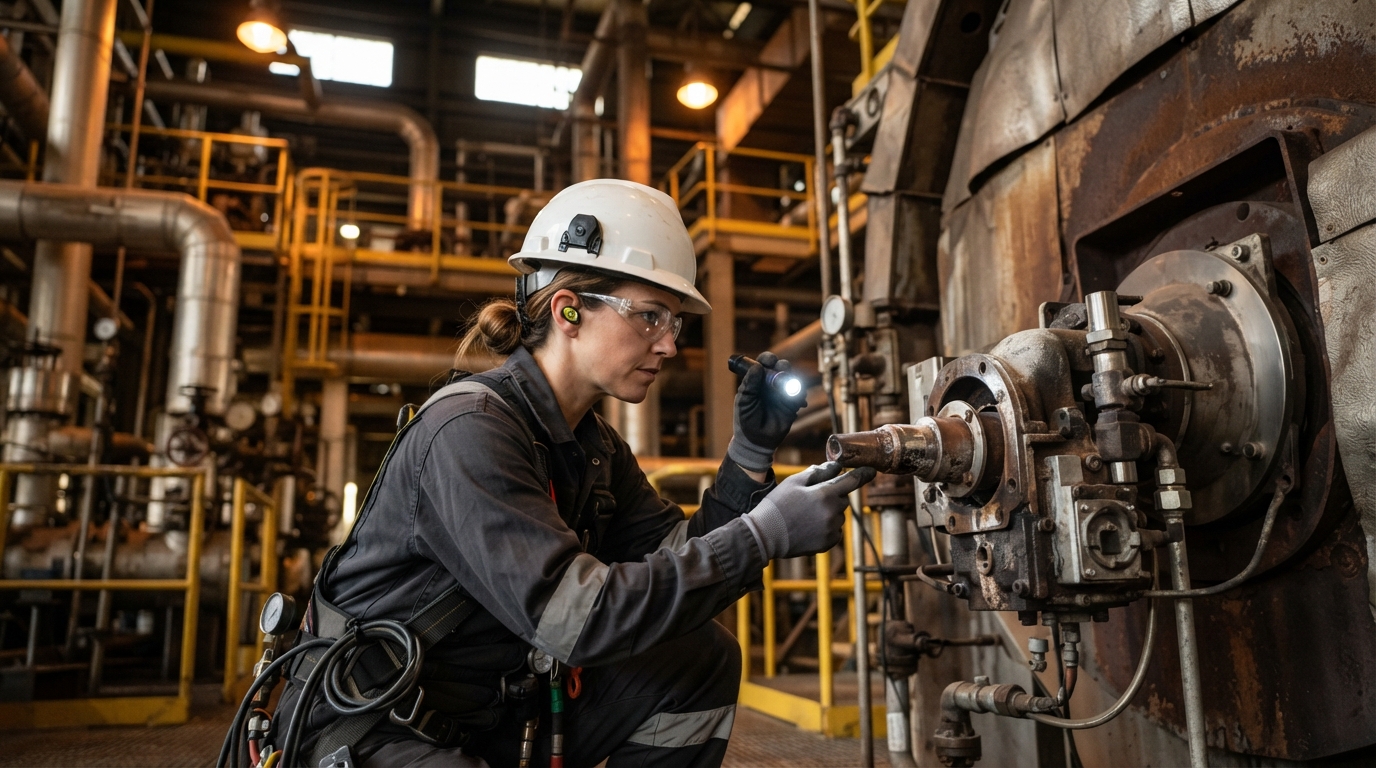
1. Inspect burner tips and ports regularly for debris, scale, or plugging that restricts fuel flow.
2. Clean inner and outer surfaces on a defined schedule rather than only after a noticeable efficiency drop.
3. Monitor refractory condition during outages and address cracking before it spreads.
4. Document findings after each inspection to track wear patterns over time.
5. Address carbon buildup early , since it compounds quickly in continuous-duty applications.
| Maintenance Approach | Typical Outcome |
| Reactive repair after failure | Higher downtime, emergency costs, possible component replacement |
| Scheduled visual inspection only | Catches major issues but misses internal scale or carbon buildup |
| Routine cleaning plus refractory monitoring | Supports consistent combustion efficiency and fewer unplanned outages |
Cleaning, Coating, and Carbon Removal in Practice
Cleaning and maintenance services aimed at burners typically target both the interior and exterior surfaces where scale and residue accumulate. Routine burner care can reduce unplanned shutdowns and support more efficient fuel combustion, which lowers operating costs over time. High-temperature coatings can also play a role in protecting burner components from repeated thermal cycling, while carbon removal addresses deposits that reduce heat transfer and increase fuel consumption. Facilities in Houston, TX operate dense concentrations of refining and petrochemical infrastructure where consistent combustion performance affects both operating costs and regulatory compliance.
Business Info
Based in Liberty, TX, Applied Coating & Cleaning Technologies serves industrial clients across Houston, TX, providing refractory cleaning, high-temperature coatings, and burner maintenance support for facilities that depend on consistent combustion performance.
Frequently Asked Questions
What causes most burner performance problems? Carbon buildup, refractory wear, and fuel contaminants are among the most common causes, often working together to reduce combustion efficiency and increase maintenance needs.
How often should industrial burners be inspected? Inspection frequency depends on duty cycle and fuel type, but many facilities pair daily visual checks with more thorough annual inspections during scheduled outages.
Can refractory damage affect burner life? Yes. Refractory cracking or spalling exposes burner components to heat conditions they were not designed to handle, which can accelerate wear and lead to larger repairs.
Does routine cleaning really reduce downtime? Routine cleaning addresses scale and residue before they restrict airflow, which supports more stable combustion and reduces the likelihood of unplanned shutdowns.