• Production welding covers repeatable, high-volume metal joining for manufacturers that need consistent part quality across large orders.
• Evaluating a provider means checking equipment capability, quality control methods, and turnaround capacity before committing to a production run.
• Shops offering MIG, TIG, and robotic welding alongside fabrication support can typically handle a wider range of part specifications.
Production welding refers to high-volume, repeatable metal joining used by manufacturers that need consistent, specification-matched parts across large batches rather than one-off custom jobs. Choosing a qualified provider requires looking at equipment, quality control processes, and batch capacity rather than price alone.
Manufacturers searching for dependable Production Welding Services are typically trying to solve a specific problem: how to scale metal part production without sacrificing dimensional accuracy or weld integrity from the first unit to the last. This matters most for companies supplying OEM parts, where even small inconsistencies between batches can cause assembly line delays or warranty issues.
What Production Welding Involves
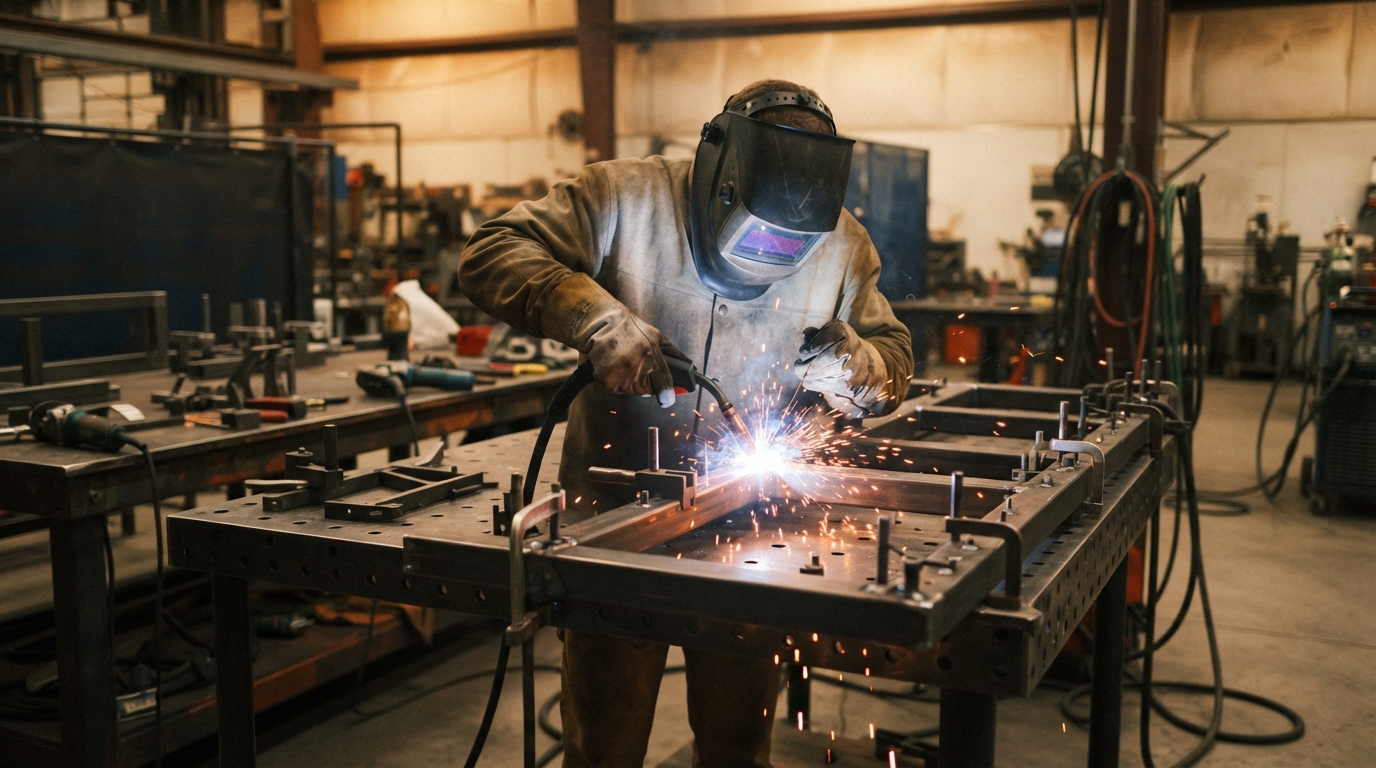
Production welding differs from custom or repair welding because it is built around repeatability. A shop running production work typically uses fixtures, jigs, or programmed robotic systems to hold tolerances across hundreds or thousands of identical parts.
Common processes used in production welding environments include:
• MIG (GMAW) welding for faster cycle times on steel and aluminum components
• TIG (GTAW) welding for precision joints on thinner materials or higher-spec assemblies
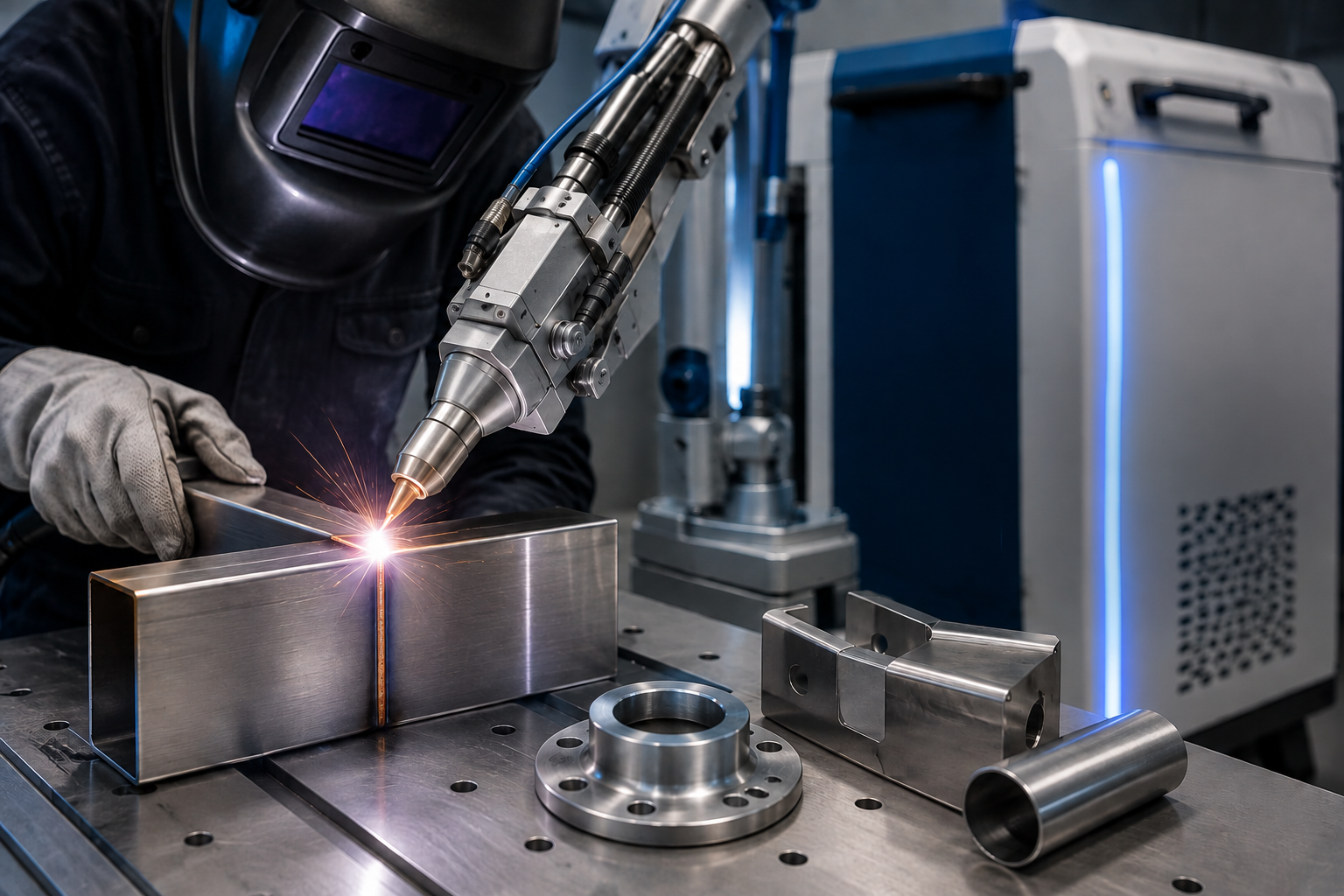
• Robotic or automated welding for high-repetition runs where consistency is critical
• Spot welding for sheet metal assemblies requiring multiple fast tack points
Shops that pair these processes with in-house fabrication, cutting, and finishing can often manage a part from raw material to finished assembly without handing it to a second vendor.
How to Evaluate a Production Welding Provider
Selecting a shop for ongoing production runs is different from hiring for a single project. The review process should focus on consistency, documentation, and capacity rather than just sample work.
1. Confirm the shop’s welding processes match the material and joint type required for the part.
2. Ask how dimensional tolerances are checked between the first and last unit in a run.
3. Review whether the shop maintains traceability records tying welders or robotic cells to specific batches.
4. Check stated lead times against the order volume being planned, since production runs scale differently than prototype work.
Quality expectations in structural and production welding are shaped by national standards. The American Welding Society’s structural welding code sets widely referenced requirements for weld quality, procedure qualification, and inspection criteria that many manufacturers use as a baseline when auditing a supplier.
Comparing Welding Approaches for Volume Work
|
Process |
Typical Use Case |
Relative Speed |
Best Fit For |
|
MIG (GMAW) |
General steel and aluminum assemblies |
Fast |
Mid-to-high volume runs |
|
TIG (GTAW) |
Thin materials, precision joints |
Slower |
Lower volume, high-spec parts |
|
Robotic welding |
Repetitive identical joints |
Very fast |
Large batch, long-term contracts |
|
Spot welding |
Sheet metal assemblies |
Fast |
Multiple tack points per part |
Choosing between these approaches depends on part geometry, material thickness, and how many units need to ship on a recurring schedule. A shop offering multiple processes under one roof can shift between them as a part’s design changes between revisions.
Working With a Shop Across the USA
Manufacturers sourcing production welding across the USA often look for a provider that can support both the initial production run and any design changes that follow. A shop with fabrication, machining, and finishing capability alongside welding can reduce the number of vendors involved in getting a part from blueprint to shipment.
Micro Weld Inc is a fabrication and welding provider whose Click here for production welding services profile lists production welding among its listed capabilities. Confirming that any shop’s listed processes align with a specific part’s material and tolerance needs remains a necessary step before committing to a production contract.
Frequently Asked Questions
What is the difference between production welding and custom welding? Production welding focuses on repeatable, high-volume output using fixtures or automation to maintain consistency, while custom welding is typically project-specific and does not require matching large batches of identical parts.
Which welding process is best for high-volume manufacturing? Robotic and MIG welding are generally preferred for high-volume runs because they offer faster cycle times, though the right choice depends on material type and joint design.
How is quality maintained across a large production run? Shops typically rely on fixtures, programmed welding paths, and periodic dimensional checks throughout a run, with standards like those published by the American Welding Society used as a reference point for acceptable weld quality.
Can one shop handle both welding and part finishing? Some fabrication shops offer welding alongside cutting, machining, and finishing, which can reduce the number of vendors needed to complete a part.
Production welding decisions ultimately come down to matching a shop’s process capability and quality controls to a part’s specific tolerance and volume requirements. Published details for Click here for production welding services outline the processes available for review ahead of a production order.