When it comes to maintaining a safe and efficient home, few components are as crucial as your electrical panel. This often-overlooked device serves as the central hub for all the electricity flowing through your house, distributing power to every outlet, switch, and appliance. As homes age and technology advances, the need for an updated electrical system becomes increasingly important. Many homeowners in Lakewood and the surrounding areas search for solutions to outdated or insufficient panels, often turning to Electrical Panel Replacement Lakewood CO to ensure their homes remain both safe and reliable.
Understanding the Role of Your Electrical Panel
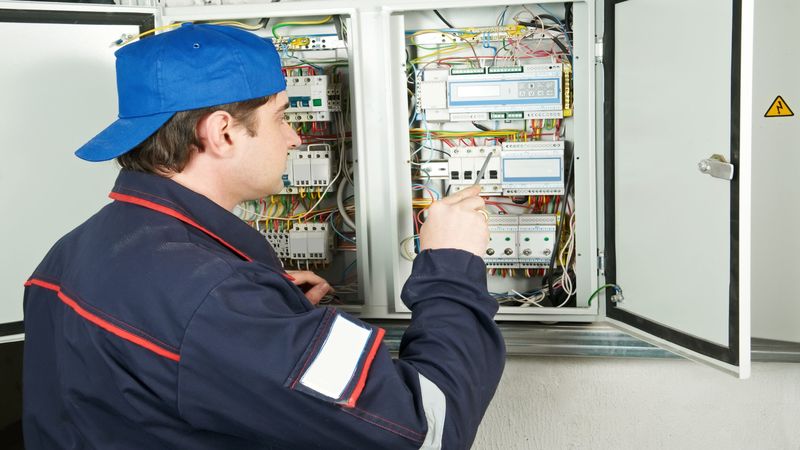
The electrical panel, sometimes referred to as a breaker box or fuse box, is responsible for dividing the main incoming power into separate circuits. This allows you to safely manage the electricity that powers your lights, kitchen appliances, HVAC system, and all the modern conveniences you rely on. Over time, factors such as increased electrical demand, outdated technology, or physical wear can put strain on older panels, making them less effective and potentially hazardous.
Signs Your Electrical Panel Needs Replacement
Recognizing when it’s time to consider electrical panel replacement is critical for avoiding risks like electrical fires or power outages. Here are some warning signs that your panel may be due for an upgrade:
• Frequent Circuit Breaker Trips: If your breakers trip often, it may indicate that your panel is struggling to handle your home’s electrical load.
• Flickering or Dimming Lights: Lights that flicker or dim unexpectedly can signal an overloaded or failing panel.
• Old or Outdated Panel: Panels over 20-30 years old, especially those with fuses rather than breakers, are often unable to meet modern safety standards.
• Burning Smells or Scorch Marks: Any sign of burning, discoloration, or heat around the panel is a serious safety concern.
• Addition of New Appliances: Upgrading your home with new, high-powered appliances can require more capacity than your current panel provides.
Addressing these issues promptly helps protect your property and ensures that your electrical system can safely power your household’s needs.
How Panel Replacement Enhances Home Safety
One of the main reasons homeowners seek electrical panel replacement is to bolster safety. Outdated or faulty panels can lead to several hazards, including:
• Electrical Fires: Old or overloaded panels are a leading cause of residential electrical fires. Modern panels have improved safety features to detect and prevent overheating and arcing.
• Shock Risk: Deficient panels may not properly shut off power during a fault, increasing the risk of electric shock.
• Code Compliance: Replacing your panel ensures your home meets current electrical codes, which are designed to protect occupants and property.
By investing in a new, properly installed panel, you significantly reduce the risk of dangerous electrical incidents.
Ensuring Reliable Power for Modern Living
Today’s homes demand more electricity than ever before. From charging electric vehicles to running multiple smart devices, the average household’s power needs have grown exponentially. An upgraded electrical panel ensures:
• Consistent Power Supply: Avoid the inconvenience of tripped breakers and unexpected outages.
• Capacity for Upgrades: Easily accommodate renovations, additions, or new high-powered appliances without overloading your system.
• Integration with Smart Home Technology: Modern panels can support advanced home automation and energy management systems.
These improvements not only make daily living more convenient but also help future-proof your home as technology continues to evolve.
What to Expect During Electrical Panel Replacement
Understanding the replacement process can help homeowners feel more prepared and confident. Generally, the process involves:
1. Assessment: A licensed electrician evaluates your current panel and determines your home’s electrical needs.
2. Planning: The new panel’s size and specifications are chosen based on your requirements and local code.
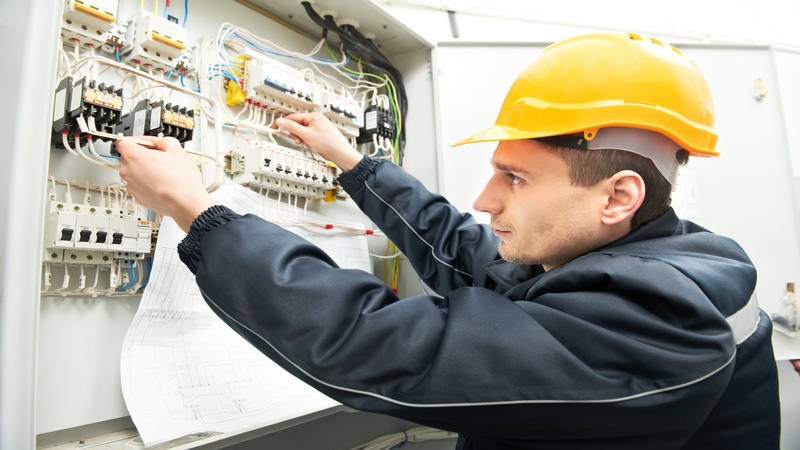
3. Installation: Power is temporarily shut off, the old panel is removed, and the new panel is installed and connected.
4. Inspection: After installation, the work is inspected to ensure it meets all safety standards and regulations.
This process typically takes a day, minimizing disruption while maximizing safety and reliability.
The Importance of Professional Installation
Electrical panel replacement is not a DIY project. It requires specialized knowledge, training, and adherence to strict safety codes. Professional installation ensures:
• The work is performed safely and correctly.
• The new panel is properly grounded and wired.
• All local codes and permit requirements are met.
Hiring a qualified electrician protects your investment and ensures your family’s safety.
Making the Right Choice for Your Home
Upgrading your electrical panel is a proactive step toward safeguarding your home and ensuring reliable access to power. Recognizing the signs of an outdated panel and understanding the benefits of replacement can help you make informed decisions about your home’s electrical system. With a new, properly installed panel, you’ll enjoy peace of mind, improved safety, and the flexibility to meet your household’s current and future power needs. Visit Website