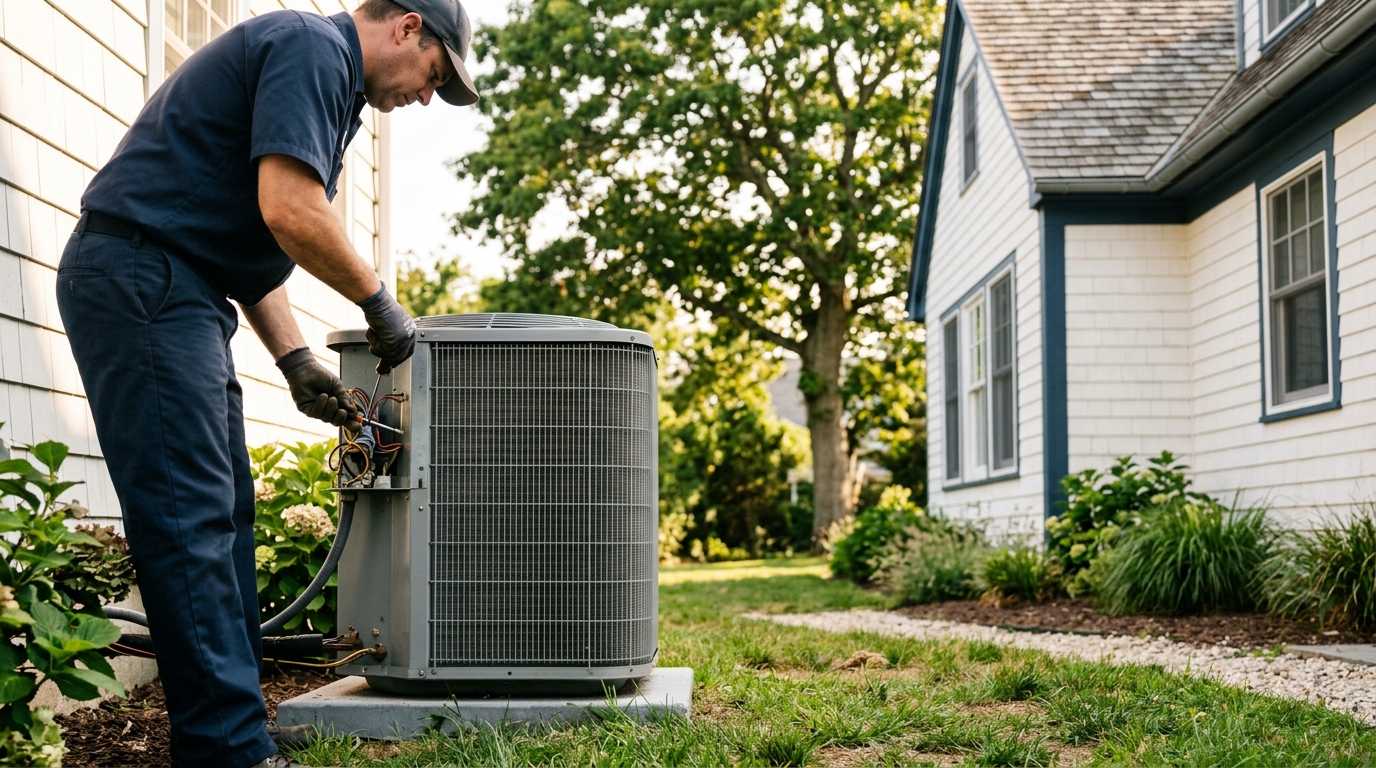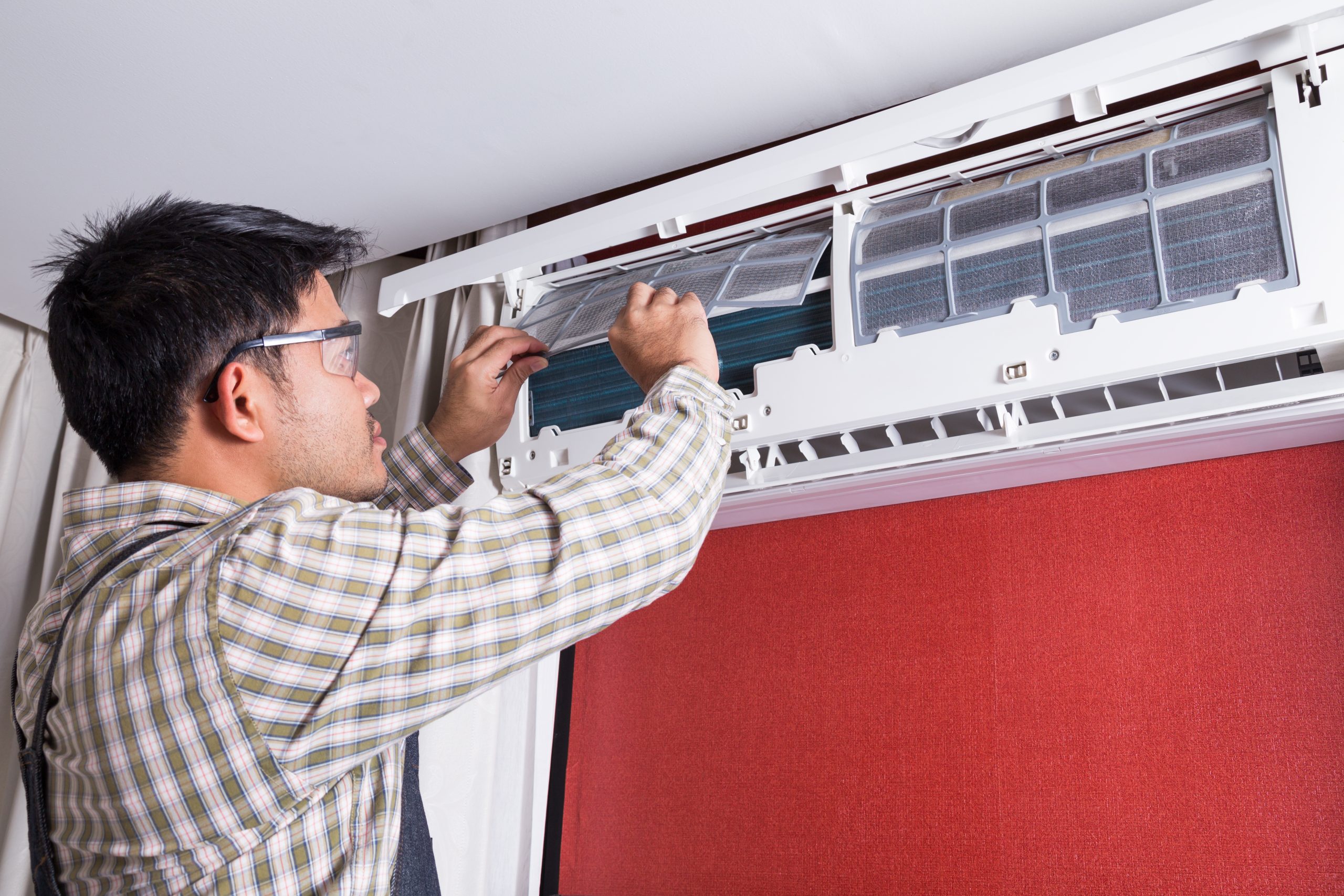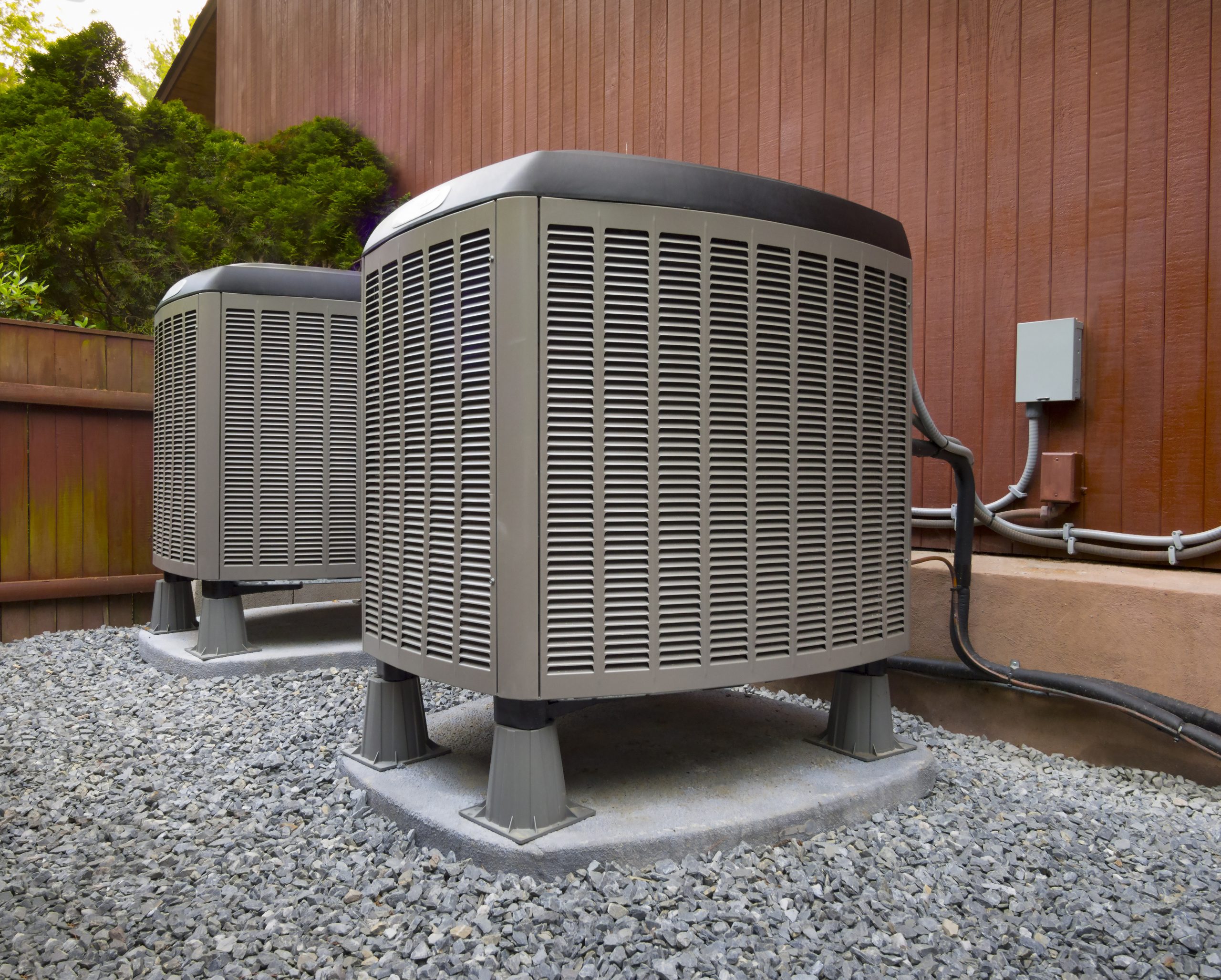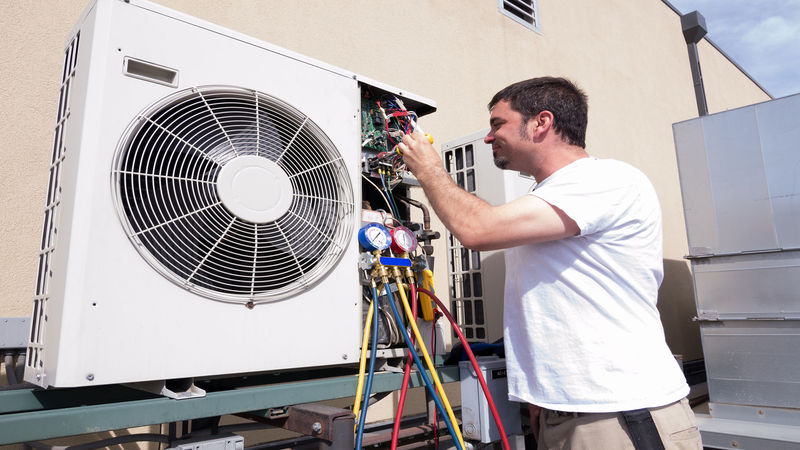
A homeowner searching for AC repair in Palm Bay is usually dealing with one of a handful of recurring problems: weak airflow, warm air blowing from the vents, unusual noises, or a unit that will not stop cycling. These issues almost always point to a mechanical, electrical, or refrigerant-related fault that gets worse the longer it goes unaddressed.
Florida’s heat and humidity put extra strain on residential cooling systems year-round, which is why timely diagnosis matters. Calling a reliable ac repair service in Palm Bay FL at the first sign of trouble can prevent a minor fix from turning into a costly compressor or coil replacement.
Warning Signs Your AC Needs Professional Attention
Most air conditioning failures give off warning signs well before the system quits entirely. Recognizing them early allows a technician to address the root cause rather than just the symptom.
• Warm or weak airflow from vents, often linked to a failing compressor or blocked ductwork
• Water pooling near the indoor unit, which usually signals a clogged condensate drain line
• Short cycling, where the unit turns on and off repeatedly without completing a cooling cycle
• Unusual noises such as grinding, clicking, or hissing coming from the outdoor condenser or indoor air handler
• Rising humidity indoors despite the AC running, suggesting the system is undersized or losing efficiency
Each of these symptoms has a distinct mechanical cause, and guessing at a fix without diagnostic tools often leads to repeat service calls.
How Florida’s Climate Accelerates Common AC Failures
Palm Bay’s subtropical climate means air conditioners run far more hours per year than units in milder regions, which shortens the lifespan of key components. The U.S. Department of Energy notes that routine maintenance, including coil cleaning and airflow checks, helps cooling systems operate efficiently and avoid premature breakdowns, a point especially relevant in high-humidity states like Florida where systems run nearly year-round. The U.S. Department of Energy’s air conditioning maintenance guidance outlines how dirty filters and coils force compressors to work harder, increasing the risk of overheating and failure.
Salt air near Florida’s coastline also corrodes outdoor condenser coils and electrical contacts faster than inland installations experience. This corrosion is a frequent contributor to refrigerant leaks and electrical shorts, both of which require a trained technician to diagnose safely rather than attempt as a do-it-yourself repair.
Repair Versus Replacement: What to Consider
Not every malfunction means a new system is necessary, but repeated repairs on an aging unit can signal it is time to weigh the cost of replacement. The table below outlines common scenarios homeowners face when deciding how to respond to a cooling problem.
|
Situation |
Typical Repair Need |
When Replacement May Be Worth Considering |
|
Unit under 10 years old, single repair needed |
Component repair (capacitor, fan motor, drain line) |
Rarely necessary |
|
Refrigerant leak in an older system |
Leak repair and recharge |
If leaks recur across multiple seasons |
|
Frequent short cycling |
Thermostat or sensor diagnostic |
If the system is undersized for the home |
|
Multiple breakdowns within one cooling season |
Component-by-component troubleshooting |
If repair costs approach replacement cost |
A licensed technician can walk through these factors during an inspection, comparing the age of the unit, repair history, and energy efficiency to help the homeowner make an informed decision.
Why Professional Diagnosis Matters
Diagnosing AC trouble without proper tools or training often results in misidentifying the real problem. A refrigerant leak, for example, can produce symptoms nearly identical to a failing compressor, but the repair approach for each is completely different. Technicians use pressure gauges, electrical meters, and airflow measurements to pinpoint the exact failure point before recommending a fix.
Regular seasonal checkups also catch small issues, such as a loose electrical connection or a slightly low refrigerant charge, before they escalate into emergency repairs during Florida’s peak summer heat. This proactive approach tends to cost less over time than reactive repairs made after a complete system failure.
American Air Conditioning of Boca, listed on its Google Business Profile, serves residential cooling needs in the Palm Bay area, including diagnostic and repair work for the common issues outlined above. Homeowners dealing with warm air, strange noises, or water leaks near their indoor unit are encouraged to schedule an inspection before small problems turn into costly breakdowns.
Frequently Asked Questions
What are the most common reasons an AC stops cooling effectively in Palm Bay? Weak airflow, refrigerant leaks, dirty coils, and electrical component failures are the most frequent causes, often worsened by Florida’s heat and humidity.
How quickly should a strange noise from the AC unit be addressed? Grinding, clicking, or hissing sounds should prompt a service call within a day or two, since these noises often indicate a mechanical part is wearing out or a refrigerant line is leaking.
Can clogged drain lines really cause water damage indoors? Yes. A blocked condensate line can cause water to back up and overflow near the indoor air handler, potentially damaging flooring or drywall if left unaddressed.
Is it normal for an AC to run constantly during Florida summers? Longer run times are expected in peak heat, but a unit that never shuts off or struggles to maintain the set temperature usually signals an underlying mechanical or sizing issue worth having inspected.