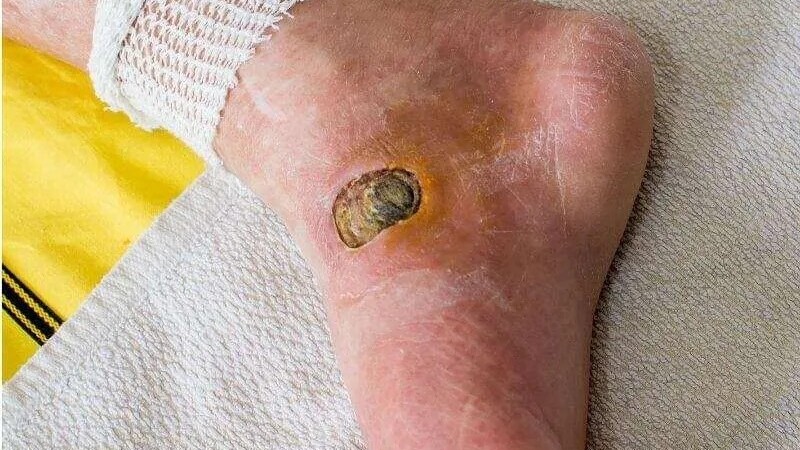
Fall in Phoenix does not necessarily mean hot weather has ended. That matters when neuropathy has reduced sensation in your feet. If nerves are not reliably communicating pain or temperature, you may receive less warning that your feet have been exposed to excessive heat, pressure or another source of injury.
That concern remains relevant this fall. Preliminary National Weather Service climate data for Phoenix recorded 13 days with maximum temperatures of 90°F or higher through October 28, 2026. The month’s highest temperature through that date was 104°F on October 8 and 9. Those figures in the National Weather Service Phoenix climate report show why the calendar alone is not a reliable measure of whether significant heat has finished for the season.
For people with numb or less-sensitive feet, continuing a simple foot-protection routine can help make up for warning signals that neuropathy may reduce.
Why Neuropathy Changes How Your Feet Sense Risk
Peripheral neuropathy is nerve damage that commonly affects the feet and legs. According to the National Institute of Diabetes and Digestive and Kidney Diseases, symptoms may include burning, tingling, numbness, pain and weakness. NIDDK also states that people with peripheral neuropathy may have problems sensing pain or temperature in affected parts of the body.
Pain and temperature sensation normally provide useful feedback. A painfully hot surface, a rubbing shoe or a developing blister can prompt someone to move away from the source or examine the foot. When sensation is reduced, relying only on how the feet feel can leave an important gap.
NIDDK also explains that loss of feeling from peripheral neuropathy can prevent someone from noticing pressure or injuries that lead to blisters and sores. An injury therefore does not have to hurt enough to attract attention.
That is why numbness should not be treated as evidence that a foot is unharmed. It can be one reason to inspect the feet more deliberately.
Phoenix Fall Weather Can Still Include Significant Heat
Phoenix’s October 2026 observations illustrate why fall precautions should follow actual conditions rather than assumptions about the season. The preliminary National Weather Service report recorded highs of 102°F on October 7 and 104°F on both October 8 and 9. It also counted 13 days reaching at least 90°F through October 28.
Those conditions do not mean every warm day will cause a foot injury. They do show that potentially significant heat can persist after summer.
For someone with reduced temperature sensation, “it doesn’t feel very hot” may not provide enough information to judge what the feet are experiencing. Pay attention to the weather and environment as well as physical sensation.
Situations worth thinking about include time outdoors during warmer parts of the day and contact with surfaces or footwear that have become hot. The goal is not to assume an injury has occurred, but to avoid depending exclusively on sensation to tell you when conditions may be a problem.
Make a Daily Foot Check Part of Your Routine
Direct inspection becomes especially useful when pain and temperature are less dependable warning signals.
NIDDK advises people with diabetes to check their feet for problems every day and to contact a doctor when foot problems are noticed. Valley Foot Care’s supplied patient information also advises checking for redness, cracks and breaks in the skin. For patients whose neuropathy is related to diabetes, the practice’s diabetic foot care information discusses daily foot and shoe inspections as part of preventive care.
A practical daily check can include:
- Look over the tops, sides, soles, heels and toes instead of checking only an area that feels uncomfortable.
- Look for redness, cracks or breaks in the skin.
- Check for blisters or sores, including areas that are not painful.
- Notice changes that appear after wearing particular shoes or spending time outdoors.
- Check areas where shoes may have caused pressure or rubbing.
- If you cannot easily see part of your foot, find a safe way to inspect it rather than relying only on sensation.
Consistency is important because a visible change may be present even when numbness keeps it from becoming painful.
Do Not Use Pain as Your Only Injury Test
The absence of pain is not the same as confirmation that nothing is wrong.
NIDDK specifically notes that a person who loses feeling in the feet may not notice pressure or injuries that lead to blisters and sores. This means a small physical change can deserve attention even if it is painless.
The same principle matters with temperature. If neuropathy has affected the nerves responsible for sensing heat, the feet may not provide the same warning that someone with normal sensation would expect.
Use more than one source of information. Consider the day’s temperature, where you have been walking or standing, whether footwear has been exposed to heat, and what you can see when you inspect your feet afterward.
This approach is particularly useful in Phoenix’s fall climate because a cooler morning does not guarantee that temperatures will remain mild later in the day.
When a Neuropathy Foot Exam Can Help
Daily checks at home and a professional neuropathy evaluation serve different purposes. Looking at your feet can help you notice visible changes. A clinical examination can assess sensation, circulation and other aspects of foot health that cannot be evaluated by appearance alone.
NIDDK states that a physical examination for peripheral neuropathy includes a neurological exam and a foot exam. For people with diabetes, its guidance describes testing sensation with tools such as a tuning fork and nylon monofilament, evaluating walking and balance, and sometimes checking the ability to sense temperature changes.
Valley Foot Care, Inc. describes its peripheral neuropathy evaluation as including assessment of sensation, protective sensation, balance, foot structure and circulation. The practice also notes that neuropathy can have different causes, which is why evaluation is important before deciding what treatment may be appropriate.
If numbness or tingling is new, changing or making it difficult to judge the condition of your feet, a neuropathy foot exam in Phoenix can help identify changes that require monitoring or further evaluation.
A professional assessment can also give you an opportunity to discuss foot protection and monitoring based on your individual findings instead of relying on general assumptions about neuropathy.
Keep Protecting Numb Feet as the Season Changes
Phoenix does cool down in fall, but October 2026 climate data show that the transition can still include days at or above 90°F and even triple-digit temperatures.
For someone with reduced sensation, the practical response is straightforward: keep checking actual conditions and keep inspecting your feet. Do not stop paying attention to heat simply because summer has ended, and do not wait for pain before looking at an area that may have been exposed to heat, pressure or friction.
If you notice a new skin problem or a change in sensation, seek appropriate medical evaluation rather than attempting to judge its significance from pain alone. Valley Foot Care, Inc. can be reached at (602) 938-8400 to discuss a foot evaluation.
About Valley Foot Care, Inc.
Valley Foot Care, Inc. provides podiatric care in Phoenix, including evaluation of peripheral neuropathy and nerve-related foot concerns. Patients can also view the practice’s location and business information through its Google Business Profile.


