Quick summary:
• Verify active Florida licensing, insurance, and local permit experience before signing any roofing contract.
• Compare written estimates, material warranties, and inspection practices across at least two or three contractors.
• Confirm storm damage and emergency repair response procedures, since Tampa, FL properties face frequent severe weather.
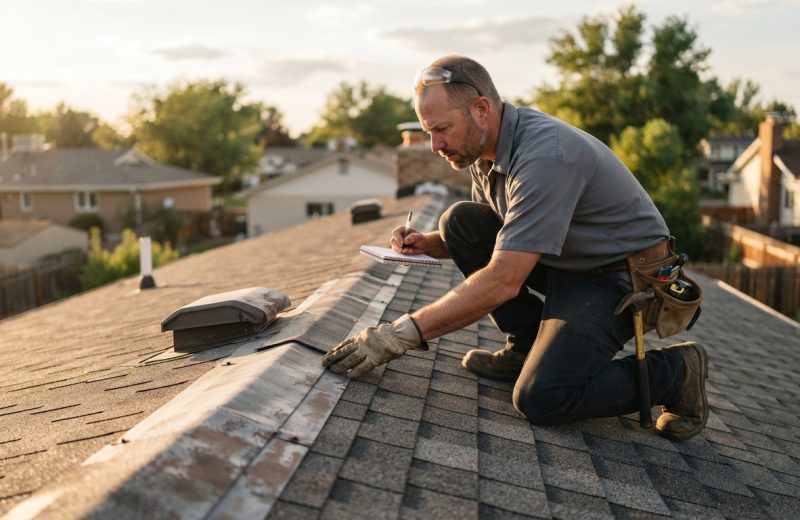
A qualified roofing contractor holds an active Florida roofing license, carries liability and workers’ compensation insurance, and provides a written estimate that itemizes materials and labor before any work begins. Homeowners who confirm these basics first avoid most disputes that arise later in a project.
Roofing decisions carry more weight in Florida than in many other states because of hurricane exposure and strict building code enforcement. Tampa, FL sits within a wind-resistant construction zone, and local permitting rules require review of fastener patterns, underlayment, and material wind-uplift ratings before a job can pass inspection, according to Tampa roofing permit guidance. A contractor unfamiliar with these requirements can delay a project or leave a roof noncompliant.
Licensing, Insurance, and Documentation
Florida requires roofing contractors to hold a state-issued license, and proof of that license should be available on request. Before hiring, homeowners should ask for:
• A current Florida roofing contractor license number
• Proof of general liability insurance and workers’ compensation coverage
• A written contract listing scope of work, materials, and payment schedule
• Confirmation that the contractor, not the homeowner, will pull required permits
Permit responsibility matters because Florida law places that duty on the licensed contractor in most residential transactions. Skipping this step can expose a homeowner to fines or complications during a future sale.
Permits and Local Code Requirements in Tampa, FL
Roofing permits in Tampa, FL generally apply to full replacements, re-covers, and repairs affecting more than a set portion of the roof surface. Minor patch repairs under a smaller scope may be exempt, but larger projects require formal review.
| Project Type | Permit Likely Required | Typical Review Focus |
| Full roof replacement | Yes | Wind uplift, fastener pattern, underlayment |
| Re-cover over existing roof | Yes | Material compliance, structural condition |
| Repair affecting more than 25% of roof | Often yes | Local code thresholds |
| Small patch or leak repair | Often exempt | Minimal review |
Homes built before March 1, 2002 may also need to meet hurricane-mitigation retrofit requirements during a reroof, a detail confirmed in Florida roofing permit research. A contractor familiar with these rules can flag retrofit needs early, before they become a surprise mid-project.
Comparing Estimates and Warranty Terms
Written estimates should break down material type, labor cost, disposal fees, and any warranty terms separately. Side-by-side comparison helps homeowners spot vague pricing or missing scope items.
1. Request at least two or three itemized estimates for the same scope of work.
2. Compare manufacturer warranty length against workmanship warranty length, since they often differ.
3. Ask whether the warranty transfers to a new owner if the home is sold.
4. Confirm whether the estimate includes permit fees or lists them separately.
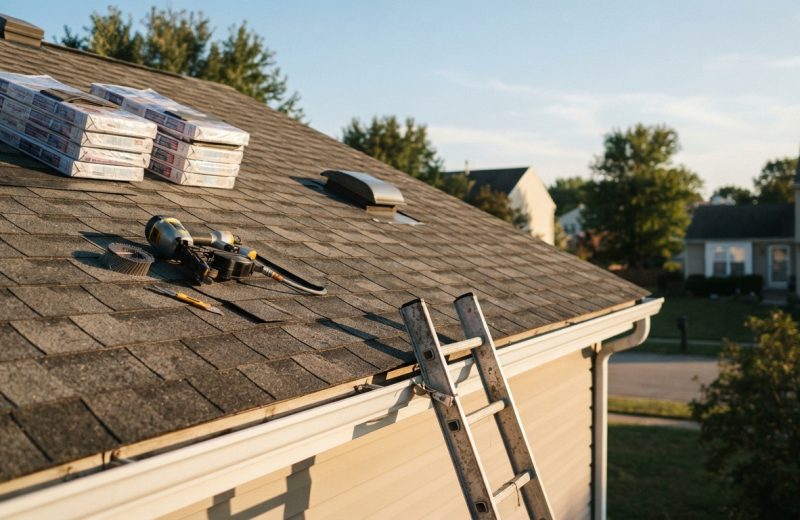
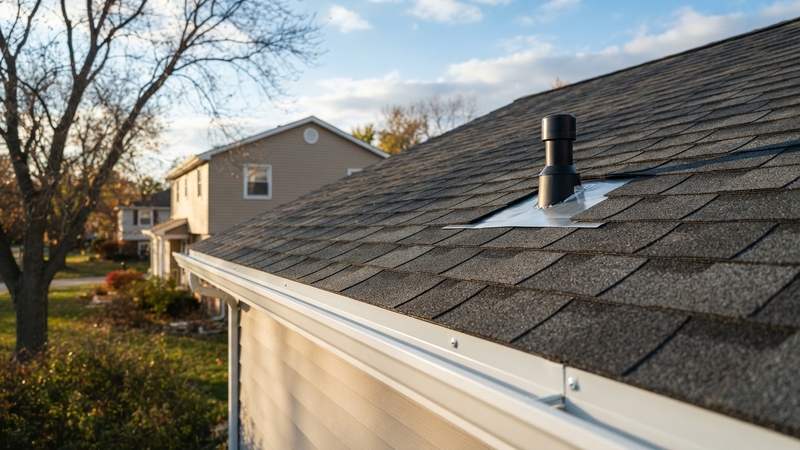
Material choice also affects both cost and code compliance. Common residential options in the Tampa Bay region include asphalt shingle, metal, and tile systems, each carrying different wind-uplift ratings and expected service life. The Florida Building Code sets minimum wind resistance standards that any installed roofing material must meet regardless of which contractor performs the work.
Response to Storm Damage and Emergency Repairs
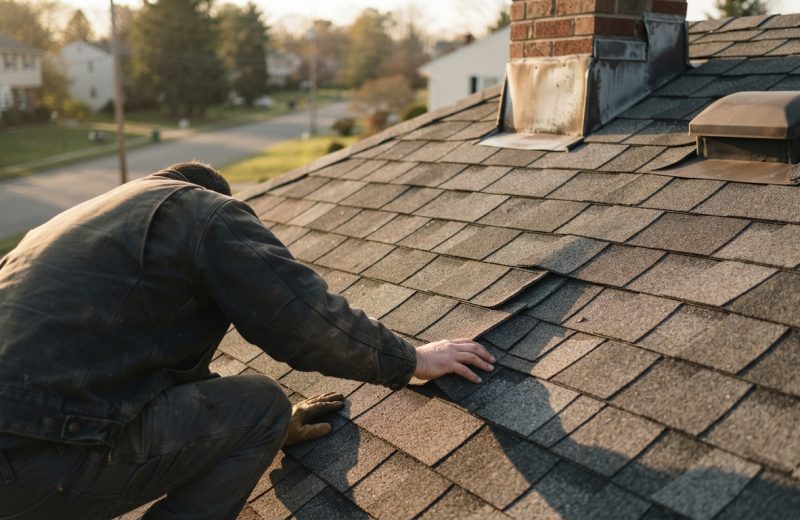
Florida’s storm season makes rapid response capability a practical hiring factor, not a luxury. Before a storm hits, homeowners should confirm how a contractor handles emergency calls, temporary tarping, and insurance documentation.
• Ask whether emergency or same-day service is available after severe weather.
• Confirm whether the contractor documents damage with photos for insurance claims.
• Verify that temporary repairs will not void eligibility for a later permanent fix.
Based in Oldsmar, FL, roofing work for Tampa, FL area properties is a common service scope among contractors serving the wider Tampa Bay region, given the shared exposure to tropical storms and code requirements across nearby communities.
Frequently Asked Questions
How long does a residential roofing permit take in Tampa, FL? Processing times vary by jurisdiction and scope, and homeowners should confirm current timelines directly with the applicable building department before scheduling work.
Does every roof repair require a permit? Not necessarily. Smaller repairs below a defined size threshold are often exempt, while full replacements and larger repairs typically require a permit.
What should be in a roofing warranty? A complete warranty should separate manufacturer material coverage from the contractor’s workmanship coverage and state whether either transfers with a home sale.
Why does hurricane-zone construction matter for roofing? Properties in wind-resistant construction zones must meet stricter fastener, underlayment, and material standards, which affects both installation method and inspection outcome.
Business Information
Acoma Roofing is based in Oldsmar, FL and lists residential and commercial roofing service scopes that extend across the Tampa Bay region, including Tampa, FL.