In brief:
• One-on-one sessions let a private dog trainer address specific behaviors like aggression or separation anxiety directly in the home where they occur.
• Group classes are structured around general obedience and socialization, while private training builds a plan around one dog’s triggers and environment.
• In Gainesville, FL, in-home training is available for behavior issues that typically do not resolve well in a classroom setting.
A private dog trainer works directly with one dog and household at a time, usually in the home, which allows training to target specific triggers, routines, and behavior patterns that a group class format cannot replicate. This distinction matters most for dogs dealing with aggression, anxiety, or reactivity, where the presence of other dogs and people can make a classroom setting counterproductive rather than helpful.
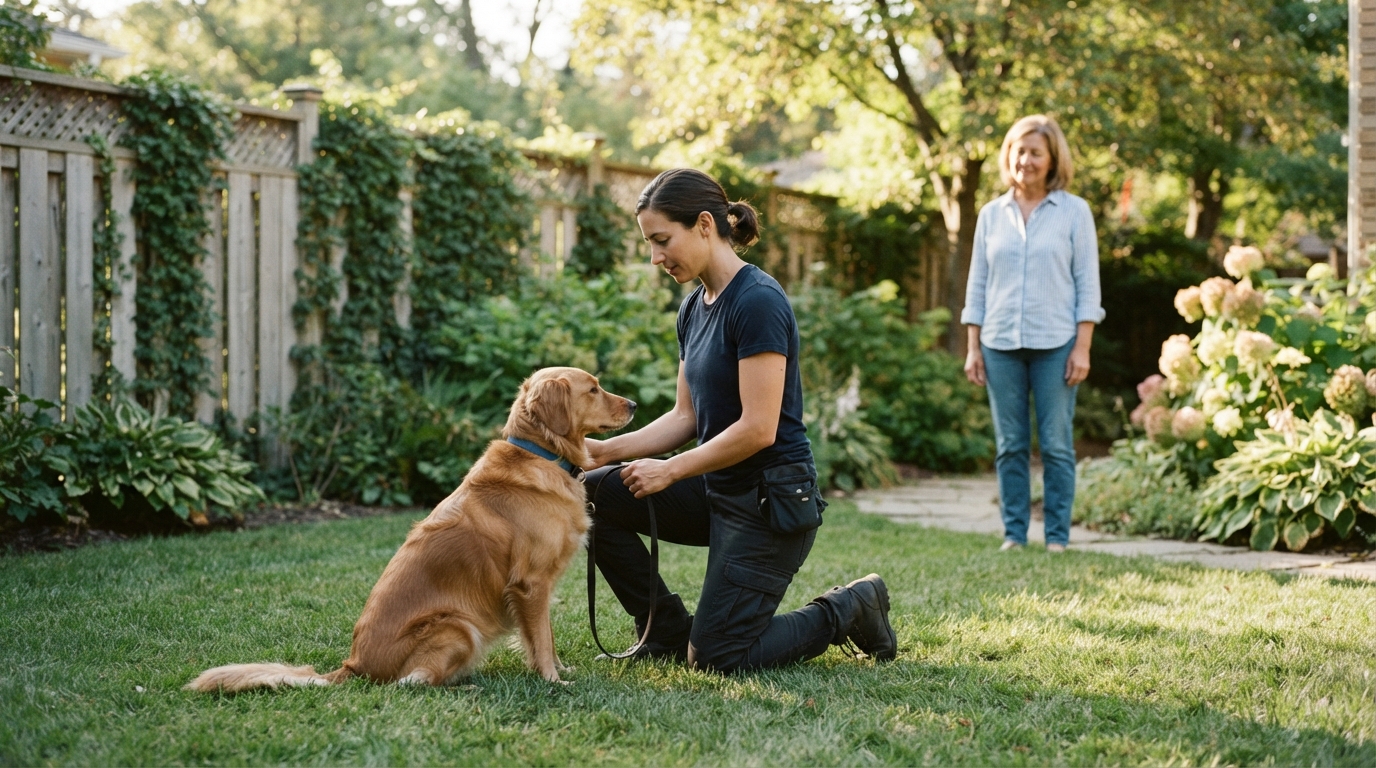
A private dog trainer who works in a client’s home can observe a dog’s behavior in its familiar environment, making it easier to identify triggers such as doorbell reactions, food guarding, or distress when an owner leaves for work. Unlike group classes, which typically follow a shared curriculum with multiple dogs, private in-home training allows the trainer to focus on the specific challenges a dog and its owner experience in everyday life. Reach Out to Bark Busters to learn more about personalized dog training services in the Gainesville and Ocala areas. Tailored training can help owners understand their dogs’ behavior, develop consistent techniques, and work toward lasting improvements in obedience and household routines.
Where Group Classes Fall Short
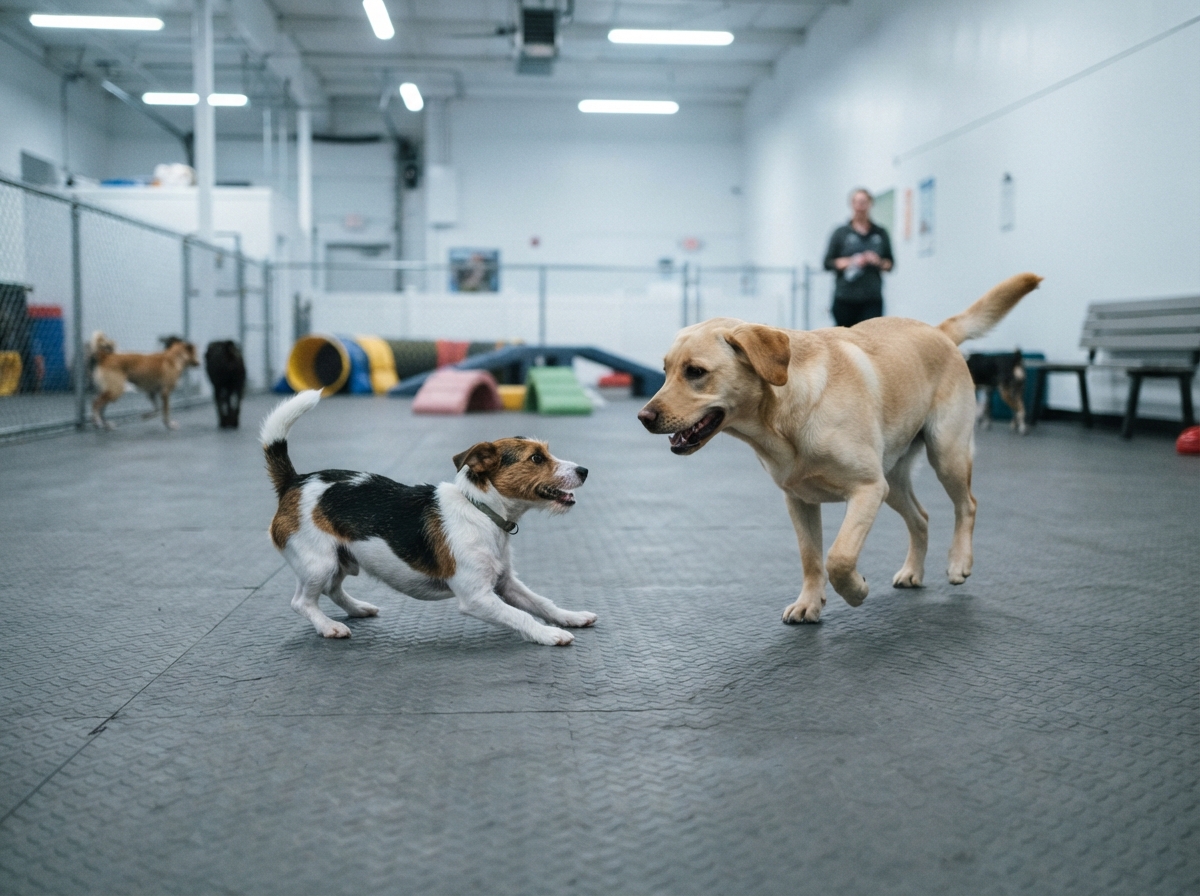
Group obedience classes are designed for owners who want foundational skills and controlled exposure to other dogs in a structured setting. They work well for many puppies and well-adjusted adult dogs, but they have real limitations.
• A dog with aggression or fear-based reactivity may become more stressed, not less, when surrounded by unfamiliar dogs.
• Instructors split attention across many dog-owner pairs, so individual behavior patterns get limited one-on-one correction.
• Training happens in a classroom or facility, not in the home environment where many behavior problems actually occur, such as barking at the mail carrier or jumping on guests.
• Scheduling is fixed to a weekly class time, which does not allow for the flexible pacing some dogs need.
Guidance from the American Veterinary Society of Animal Behavior and related veterinary resources emphasizes that socialization and behavior work should be tailored to an individual animal’s temperament and comfort level, with a veterinarian or behavior specialist involved when a pet needs more individualized support. That kind of tailoring is difficult to deliver in a group format built around a fixed lesson plan for many dogs at once.
What In-Home, One-on-One Training Addresses
Private training sessions are built around the specific dog and household, not a generic lesson plan. In the Gainesville-Ocala service area, in-home sessions are structured to work through behavioral issues including the following:
• Aggression toward people or other animals
• Separation anxiety and departure-related stress
• Excessive or inappropriate barking
• Leash pulling and reactivity on walks
• Resource guarding, jumping, nipping, and digging
• Puppy training fundamentals, including house manners and basic obedience
Because sessions happen in the home, training can account for the dog’s actual environment, such as the layout of the yard, the presence of other pets, or specific triggers tied to the household’s daily routine.
Group vs. Private Training at a Glance
|
Factor |
Group Classes |
Private In-Home Training |
|
Setting |
Classroom or training facility |
Client’s home and yard |
|
Focus |
General obedience, socialization |
Specific behavior issues and household routine |
|
Pacing |
Fixed weekly schedule |
Scheduled around the dog’s and owner’s needs |
|
Best suited for |
Well-adjusted dogs needing basic manners |
Dogs with aggression, anxiety, or reactivity |
Choosing the Right Format for a Dog’s Needs
Deciding between group and private training often comes down to the specific behavior concern rather than personal preference alone. Dogs showing signs of aggression, severe anxiety, or significant reactivity around people or other animals generally need the controlled, distraction-free setting that one-on-one sessions provide. Owners whose primary goal is basic obedience and social exposure for a well-tempered dog may find a group class setting sufficient.
Bark Busters provide in-home dog training services serving the Gainesville, FL area, including behavior-specific programs led by a local trainer. Training approaches described in connection with this service rely on natural communication methods rather than food-based rewards or equipment-heavy corrections.
Frequently Asked Questions
1. Is private training more effective than group classes for aggressive dogs?
→ Private sessions allow a trainer to work with an aggressive dog away from the stimulation of other unfamiliar animals, which is generally considered necessary before any group exposure is attempted.
2. Can puppies benefit from private training instead of puppy classes?
→ Yes. Private puppy training can address house manners, leash skills, and early socialization at a pace suited to an individual puppy, though structured group exposure still plays a role in broader socialization during early developmental windows.
3. How long does it typically take to see results from in-home training?
→ Results vary by dog and issue, and no specific timeline applies universally, since behavior change depends on consistency, the severity of the issue, and how closely household members follow through on the trainer’s guidance.
4. Does in-home training work for multiple dogs in the same household?
→ Sibling rivalry and multi-dog household dynamics are commonly addressed in private sessions, since the trainer can observe how the dogs interact in their actual shared living space.
Looking Into Local Training Options
For location and contact details, view Bark Busters on Google Business Profile.