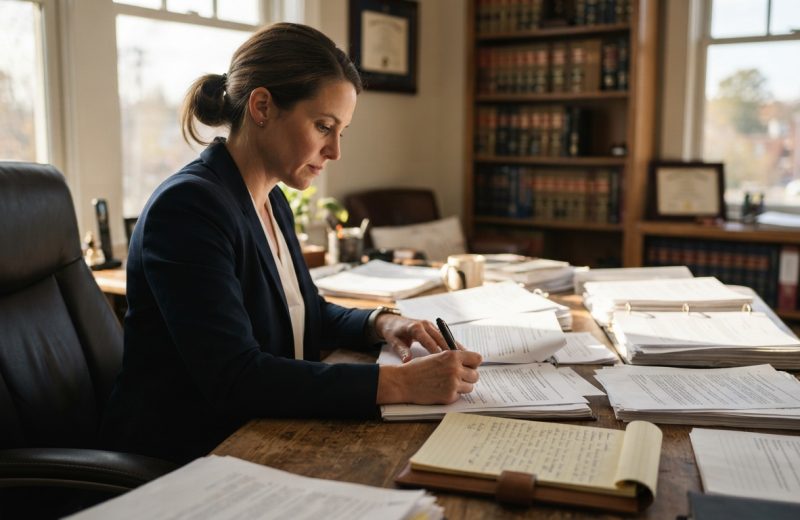
• A mediation attorney helps separating or disputing parties reach voluntary agreements outside of court, often on issues like custody, support, and property division.
• Mediation typically costs less and moves faster than litigation, while still allowing legal guidance throughout the process.
• Firms such as Learn More offer mediation alongside traditional family law representation for clients who want a less adversarial path.
A mediation attorney is a lawyer who helps parties resolve disputes through structured negotiation rather than courtroom litigation, often serving as either a neutral mediator or as counsel guiding a client through someone else’s mediation session. This approach is common in family law matters, where cooperation after the case ends matters as much as the outcome itself.
Many families facing divorce, custody disagreements, or support modifications want an alternative to drawn-out court battles. A Mediation Attorney in Coral Springs can serve that need by facilitating conversation between both sides, helping them identify shared priorities, and drafting agreements that reflect what each party actually wants rather than a judge’s imposed decision. This path tends to work best when both parties are willing to negotiate in good faith.
What a Mediation Attorney Actually Does
The role is distinct from standard courtroom representation. A mediation attorney’s job centers on communication, not confrontation.
• Facilitates structured discussion between disputing parties on topics like parenting time, asset division, or support
• Keeps conversations focused on practical solutions rather than past grievances
• Drafts settlement terms that can later be submitted to a court for approval
• Advises a represented client during someone else’s mediation session, clarifying legal rights before an agreement is signed
Some attorneys serve strictly as neutral mediators, while others represent one party and advise them through the process. Both roles require a working knowledge of family law procedure and strong communication skills.
Why Families Choose Mediation Over Litigation
Mediation is not a fit for every situation, particularly where safety concerns exist, but it offers measurable advantages for couples who can still communicate productively.
According to the American Bar Association’s Model Standards for Family and Divorce Mediation, mediation has the potential to increase participants’ self-determination, give children’s interests a stronger voice, and reduce the economic and emotional costs tied to resolving family disputes. Those outcomes explain why more courts and families are turning to mediation before pursuing a trial.
Common reasons clients choose this route include:
1. Lower overall legal costs compared to prolonged litigation
2. Faster scheduling, since sessions do not depend on court calendars
3. Greater privacy, as mediation is typically confidential
4. More control over the final agreement, rather than a court-imposed ruling
5. A less adversarial process that can preserve co-parenting relationships
Mediation vs. Traditional Litigation
| Factor | Mediation | Litigation |
| Decision-maker | Both parties, with mediator guidance | Judge |
| Typical timeline | Weeks to a few months | Often longer, especially if contested |
| Privacy | Confidential sessions | Public court record |
| Cost structure | Often hourly, generally lower overall | Court fees plus extended attorney hours |
| Relationship impact | Collaborative, supports future communication | Can increase conflict between parties |
This comparison is general and outcomes vary by case complexity and cooperation level between parties.
How Local Firms Approach Mediation Services
Family law firms that offer mediation typically combine it with other representation so clients are not choosing between two disconnected services. Scott J. Brook, P.A. is a Coral Springs-based family law firm that has expanded its practice to conduct family law mediations throughout the tri-county area, drawing on decades of mediation and courtroom experience. The firm’s approach reflects a pattern seen across the profession: attorneys who understand litigation are often well positioned to guide mediation sessions because they know what a court would likely require if the case proceeded to trial.
For clients weighing whether mediation fits their situation, a direct conversation with an attorney familiar with both processes is usually the most reliable starting point.
Frequently Asked Questions
Is a mediation attorney the same as a mediator? Not always. A mediator is a neutral third party guiding both sides toward agreement, while a mediation attorney may serve as that neutral or may represent one party’s interests during someone else’s mediation session.
Can mediation be used without a lawyer present? Yes, parties can mediate without individual attorneys, though many choose to consult one beforehand or have counsel review the final agreement before signing.
Does mediation work for high-conflict cases? It can, but success depends on both parties’ willingness to negotiate; cases involving safety concerns or extreme distrust may be better suited to litigation or a modified mediation structure.
How long does the mediation process usually take? Timelines vary by case complexity, but mediation generally resolves faster than a contested court case since it does not depend on court scheduling.
Mediation offers a practical path for parties who want to resolve disputes with less time, expense, and conflict than a courtroom process typically requires. Working with an attorney who understands both mediation and litigation can help clients enter the process prepared and informed. Those exploring this option in the Coral Springs or Boca Raton area can Learn More about how a local family law firm structures its mediation services.