Bottom line:
- A trusted car tint shop offers professional installation of UV-blocking, heat-reducing window film with documented warranty coverage.
- Quality shops use recognized film brands, controlled installation environments, and verified turnaround times.
- Vehicle owners in Crystal Lake, IL can compare local options against installation standards, film types, and service transparency.
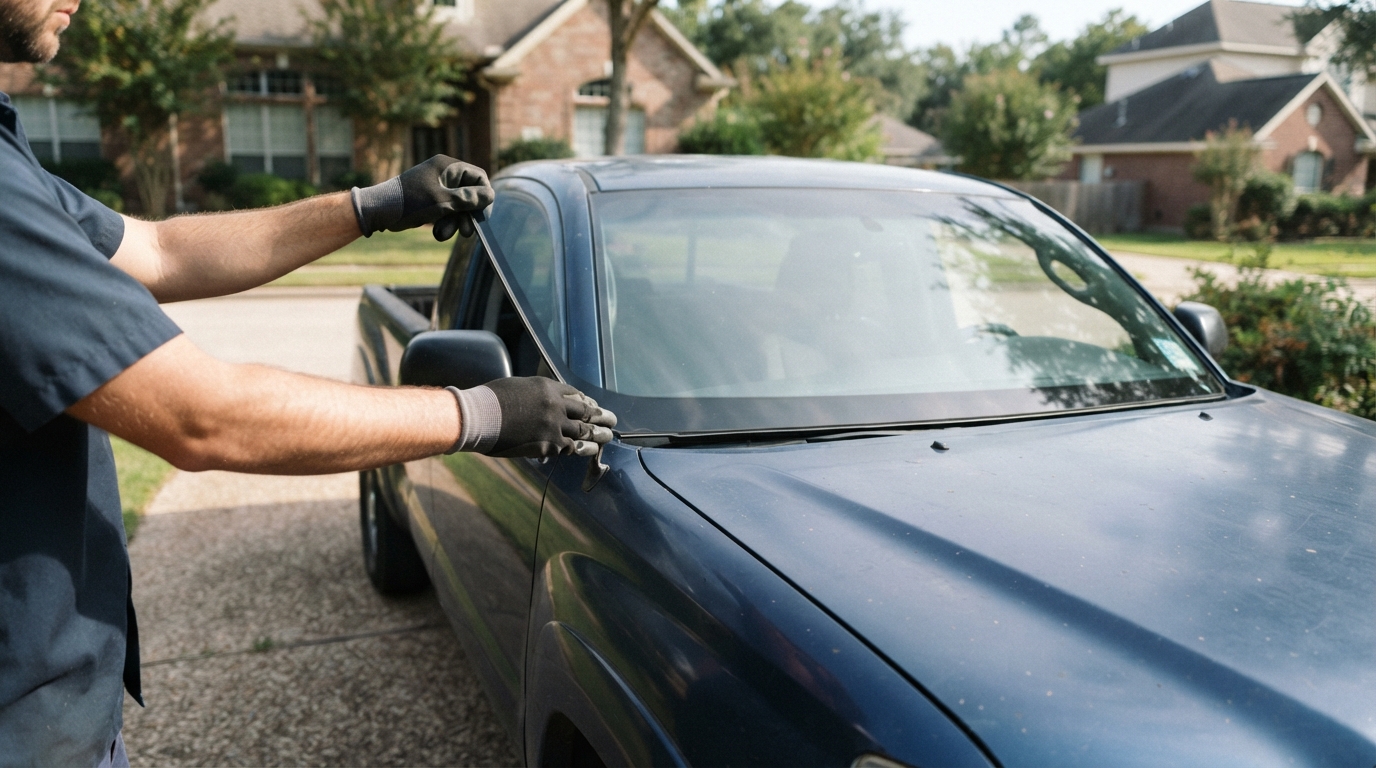
A reliable car tint shop installs window film that reduces glare and heat while blocking ultraviolet rays, using professional-grade materials and a controlled workspace to avoid bubbling, peeling, or uneven edges. Selecting the right car tint shop in Crystal Lake, IL means comparing film quality, installation conditions, and warranty terms rather than price alone.
Automotive film has moved past basic dyed tint. Many installers now offer carbon and ceramic options engineered for better heat rejection and longer color stability than older dyed films. Reviewing what a shop actually installs, rather than relying on general marketing claims, helps buyers judge whether the investment matches the product.
What Separates Professional Installation From a Quick Job
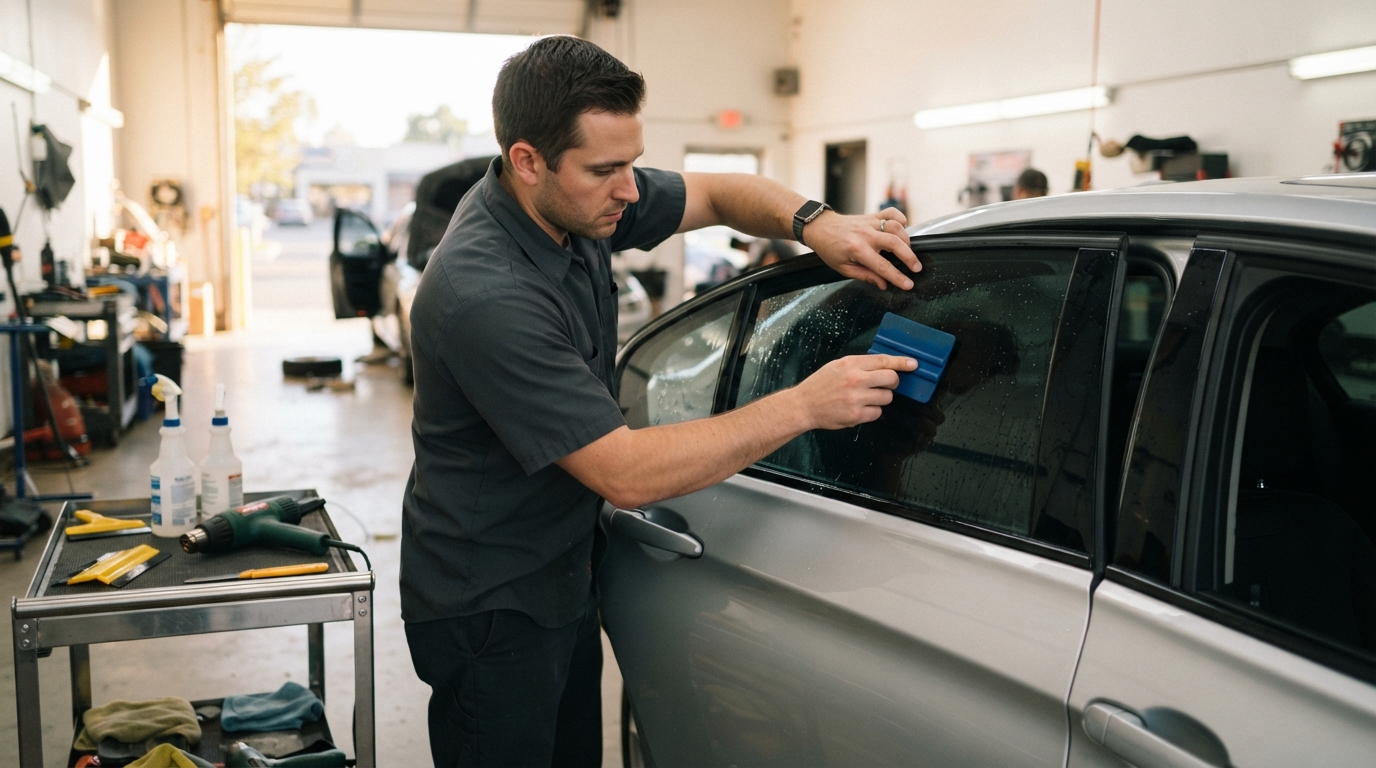
Film quality only performs as advertised when installation is precise. Several factors separate a controlled, professional job from a rushed one:
- Indoor, dust-free workspace that prevents debris from getting trapped under the film during application.
- Pre-cut or computer-cut patterns matched to the vehicle’s make and model rather than freehand trimming.
- Edge sealing and curing time that reduces the risk of lifting or bubbling after installation.
- Film-grade selection based on the vehicle’s glass type, since side and rear windows behave differently than windshields.
A shop operating out of its own dedicated space, rather than a shared bay or mobile setup, typically has more control over temperature and cleanliness during application, which affects how the film bonds to glass.
Film Types and What They Actually Do
Not all window film serves the same purpose. Dyed film is the most basic option, mainly affecting appearance, while carbon and ceramic films are built for heat and UV performance. Ceramic films use nano-ceramic particles that improve heat rejection and clarity without the signal interference sometimes associated with metalized film.
UV exposure through vehicle glass is a documented concern beyond aesthetics. According to the Skin Cancer Foundation, window film can block more than 99% of UVA and UVB light when applied to vehicle windows. This matters because side, back, and sunroof windows are made of tempered glass, which does not block UVA rays effectively compared to a laminated windshield.
| Film Type | Primary Benefit | Typical Use Case |
| Dyed film | Appearance, basic glare reduction | Budget-conscious tinting |
| Carbon film | Improved heat rejection, no metal content | Daily drivers seeking durability |
| Ceramic film | Highest heat rejection and UV blocking | Long-term comfort and interior protection |
Questions to Ask Before Booking a Tint Appointment
A short conversation before scheduling can reveal a lot about how a shop operates. Buyers should ask:
- What film brand and series will be installed, and what is the documented warranty coverage?
- How long does the installation typically take for the specific vehicle type?
- Is the workspace indoor and climate-controlled to reduce contamination risk?
- What local tint darkness regulations apply, and does the installer confirm legal compliance before application?
Illinois has specific window tint darkness requirements that vary by window position, so confirming compliance before installation avoids costly removal or citations later.
Service Area Context for Crystal Lake Vehicle Owners
Seasonal sun exposure and highway glare are common concerns for drivers throughout Crystal Lake, IL, making heat-reducing film a practical consideration beyond cosmetic preference. Based in McHenry, IL, Carl Darling Window Tinting serves vehicle owners across Crystal Lake, IL, which places the installation facility outside the immediate area while remaining accessible for scheduled service. Shops serving a defined regional radius, rather than operating purely as mobile units, often maintain more consistent quality control across jobs.
Frequently Asked Questions
How long does professional car window tinting take? Installation time varies by vehicle and film type, typically ranging from under an hour to a few hours depending on the number of windows and film complexity.
Does window tint actually reduce interior heat? Carbon and ceramic films are specifically engineered to reject solar heat, which can noticeably lower cabin temperature compared to untinted glass.
Is there a difference between dyed and ceramic tint for UV protection? Both block UV rays when properly installed, but ceramic film generally offers stronger heat rejection and longer-lasting clarity than dyed film.
Should tint darkness be checked against state law before installation? Yes, confirming legal tint percentages for each window position before installation helps avoid compliance issues after the job is complete.
Business Info
Carl Darling Window Tinting operates from McHenry, IL, offering automotive window film installation using SunTek and Phantom Series products for area vehicle owners.
Current service details for Carl Darling Window Tinting are published online for reference before scheduling an appointment.
Selecting a window tint installer involves weighing film quality, installation environment, and documented warranty terms against local tint regulations. Comparing these factors before booking helps vehicle owners in Crystal Lake, IL make a more informed decision about where to have window film applied.