Summary first:
- A home inspection service evaluates a property’s major systems and structure to identify safety issues, maintenance needs, and insurance-related concerns before a sale, renewal, or major life event.
- In Florida, inspections often extend beyond a general walkthrough to include 4-point insurance inspections, wind mitigation reports, and roof certifications tied to insurer requirements.
- Readers in Port Saint Lucie, FL can expect inspection needs shaped by home age, storm exposure, and insurer underwriting rules rather than a single statewide standard.
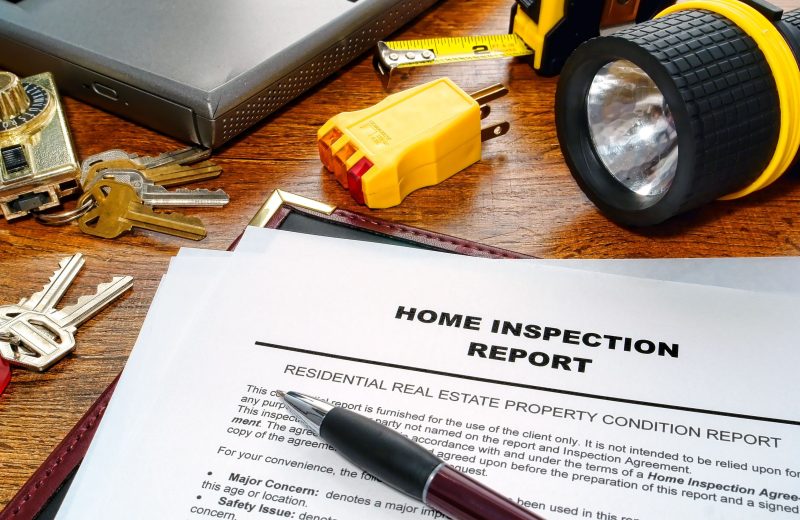
A home inspection service is a professional, visual evaluation of a property’s condition, covering systems such as roofing, electrical, plumbing, and HVAC, along with structural and safety concerns. The goal is to give buyers, sellers, or current owners a documented, independent view of a home’s condition before a transaction or insurance decision is finalized.
A Home Inspection Service typically produces a written report that homeowners, real estate agents, and insurers can reference. In Florida, this often overlaps with specialized inspection types tied directly to insurance underwriting rather than general home condition alone. Understanding which inspection applies to a given situation helps avoid delays during closing or policy renewal.
What a Standard Home Inspection Covers
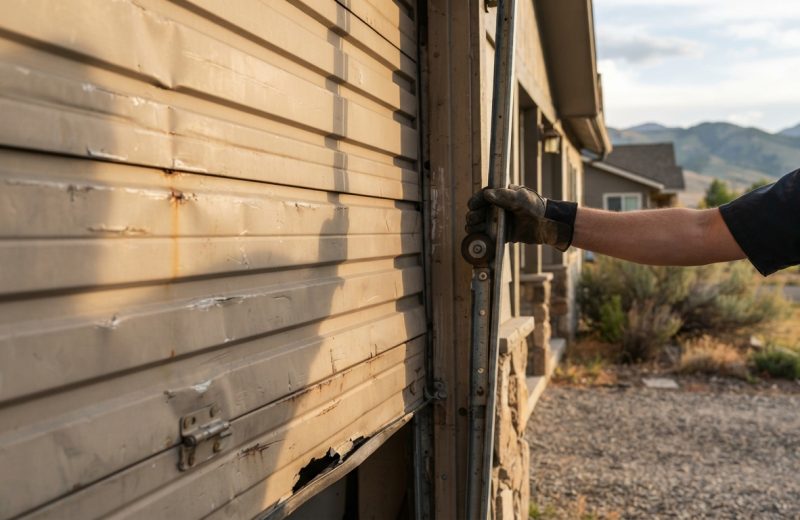
A general home inspection focuses on visible, accessible components of a property rather than invasive testing. Inspectors typically document the condition of:
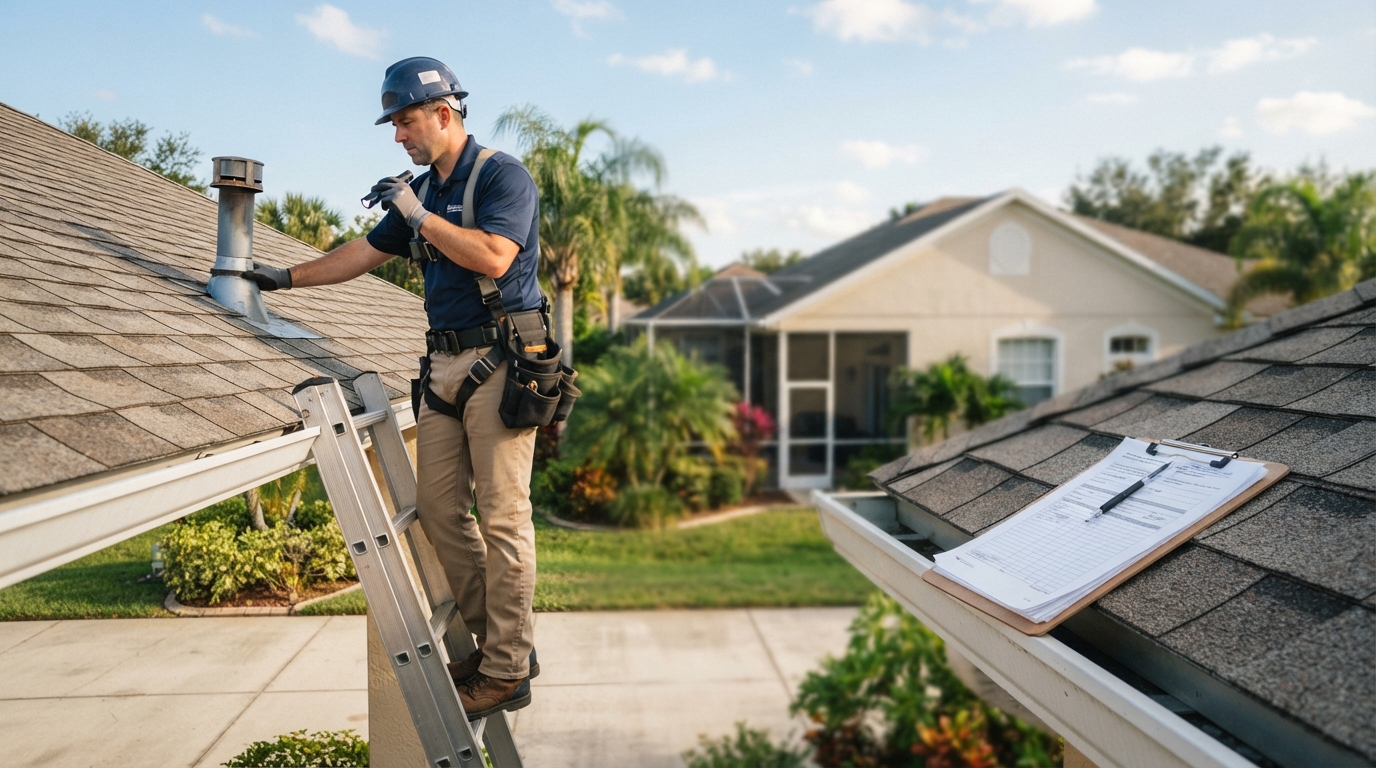
- Roof covering, flashing, and visible leaks
- Electrical panels, wiring type, and outlet safety
- Plumbing fixtures, water heaters, and visible leaks
- HVAC system function and apparent age
- Attic, foundation, and structural elements where accessible
These categories mirror the four core systems insurers scrutinize most closely, which is why general inspections and insurance-specific inspections often reference similar findings even though they serve different purposes.
Why Florida Homeowners Often Need More Than One Inspection Type
Florida’s insurance market relies heavily on underwriting-specific reports that go beyond a general home inspection. The most common of these is the 4-point inspection, which many carriers require before binding or renewing a policy on an older home.
- 4-Point Insurance Inspection: Evaluates roof, electrical, plumbing, and HVAC systems specifically for insurance underwriting. Citizens Property Insurance requires a 4-point inspection for new-business applications on properties more than 20 years old, with the report dated within 12 months of the application.
- Wind Mitigation Inspection: Documents hurricane-resistant features such as roof-to-wall connections and opening protection, which can qualify a home for insurance discounts.
- Roof Certification: Confirms roof condition and remaining service life, often requested separately when a 4-point report flags roof age as a concern.
- New Construction and Pre-Drywall Inspections: Reviews structural and system components before walls are closed in, catching issues that become difficult to verify later.
Because these reports require a verifiable Florida-licensed professional to complete and sign them, homeowners should confirm licensing status before scheduling any insurance-related inspection.
Comparing Common Inspection Types
| Inspection Type | Primary Purpose | Typical Trigger |
| General Home Inspection | Overall condition assessment | Pre-purchase or pre-sale |
| 4-Point Inspection | Insurance underwriting on older homes | Policy binding or renewal, homes 20+ years old |
| Wind Mitigation Inspection | Documents storm-resistant features | Seeking insurance premium discounts |
| Roof Certification | Verifies roof age and condition | Insurance requirement or post-storm documentation |
Local Considerations for Port Saint Lucie, FL
Housing stock in Port Saint Lucie, FL includes a substantial share of homes built more than two decades ago, which puts many properties directly within the age range that triggers 4-point inspection requirements under Citizens Property Insurance guidelines. Coastal storm exposure also makes wind mitigation documentation relevant for homeowners seeking to reduce premium costs ahead of hurricane season.
Based in USA, A&M Home Inspections Inc serves customers across Port Saint Lucie, FL, reflecting how inspection providers in this field often operate across a defined service area rather than from a single storefront location. Homeowners in the region should factor in both home age and storm-readiness documentation when scheduling an inspection, since insurers frequently request more than one report type during a single underwriting cycle.
Frequently Asked Questions
Is a 4-point inspection the same as a full home inspection? No. A 4-point inspection covers four systems only: roof, electrical, plumbing, and HVAC, while a general home inspection reviews the property more broadly, including structure and additional components.
How often does a Florida home need a 4-point inspection? There is no fixed statewide schedule; requirements depend on the insurer and the home’s age, with Citizens Property Insurance applying its 20-year threshold specifically to new-business applications rather than every renewal.
Does a wind mitigation inspection expire? Wind mitigation reports are generally valid for a set number of years rather than indefinitely, so homeowners renewing insurance after storm damage or major roof work may need an updated report.
Can the same inspector complete multiple report types in one visit? Licensed inspectors can often complete a general inspection alongside 4-point, wind mitigation, or roof certification reports in a single visit, provided they hold the applicable Florida licensing for each report type.
Next Steps
Current licensing and service area information for A&M Home Inspections Inc is available for homeowners researching inspection options in the region.