Radon is a naturally occurring radioactive gas that can enter a home through openings in its foundation, and it has no color, smell, or taste. If you’re searching online for Radon inspection Loveland CO, understanding how testing works can help you make an informed decision about your home’s air quality.
Why testing matters
Radon forms as uranium in soil and rock breaks down. It can seep indoors through cracks, gaps around pipes, sump pits, and other openings, then collect in enclosed spaces. Colorado’s geology makes radon a concern for homeowners across the state, but levels can vary from one house to another—even between neighboring homes. A nearby test result therefore can’t tell you what’s happening in your own house.
Long-term exposure to elevated radon is a significant health risk and a leading cause of lung cancer among people who have never smoked. Testing is the only way to know whether your home has a problem. It is worthwhile whether you own an older house, a newly built property, or a home with a finished basement.
What to expect during an inspection
A qualified radon professional can assess the property and arrange testing with a suitable device. Depending on the method, a test may take from a few days to several months. Short-term tests offer a quicker snapshot; longer tests provide a better picture of average conditions over time.
For accurate results, follow the test instructions carefully. During many short-term tests, windows and exterior doors should remain closed as much as possible, except for normal entry and exit. The device is generally placed in the lowest level of the home that people regularly use, away from drafts, exterior walls, direct sunlight, and areas with high humidity. Don’t move or disturb it while testing is underway.
A professional assessment should explain where the device was placed, how long testing lasted, and what the results mean. Ask for a written report, including the measured level and any recommended next steps. If you use a do-it-yourself test, choose one that follows recognized testing guidance and read the instructions before opening the kit.
Understanding results and choosing next steps
Radon levels are reported in picocuries per liter (pCi/L). The U.S. Environmental Protection Agency recommends taking action to reduce levels at or above 4 pCi/L. If a result falls between 2 and 4 pCi/L, consider reducing it as well. A low result is reassuring, but it is not a guarantee that levels will always remain the same; changes to the home, foundation, or ventilation can affect readings.
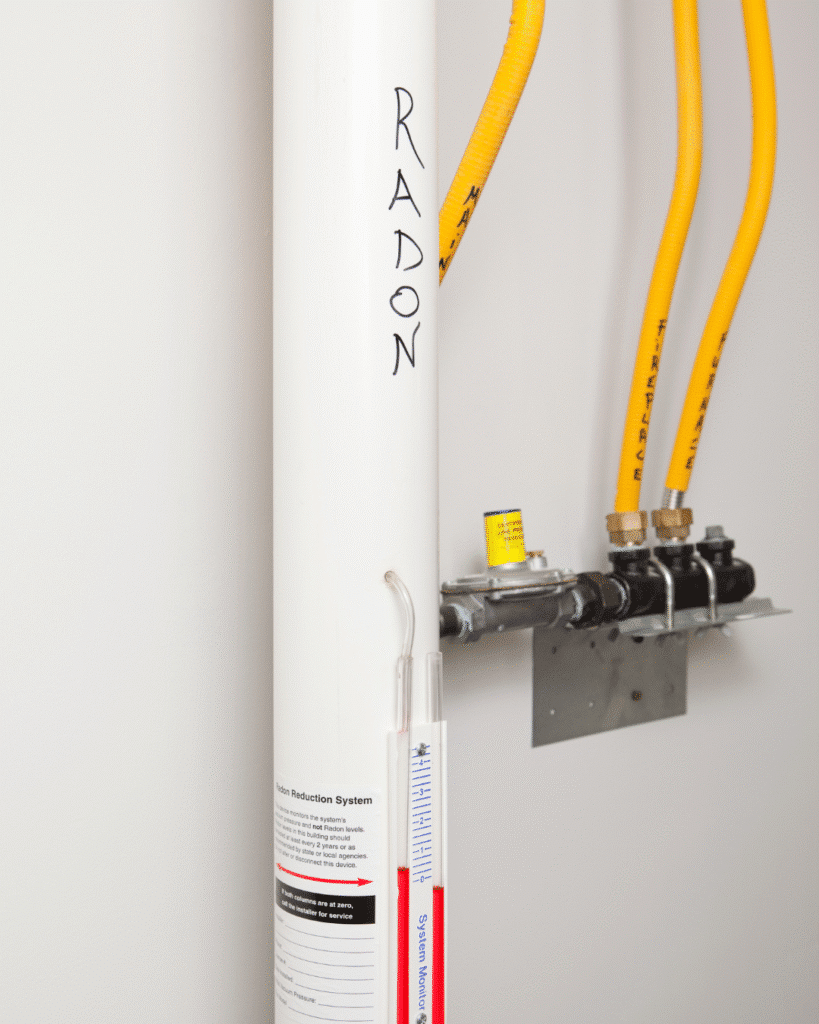
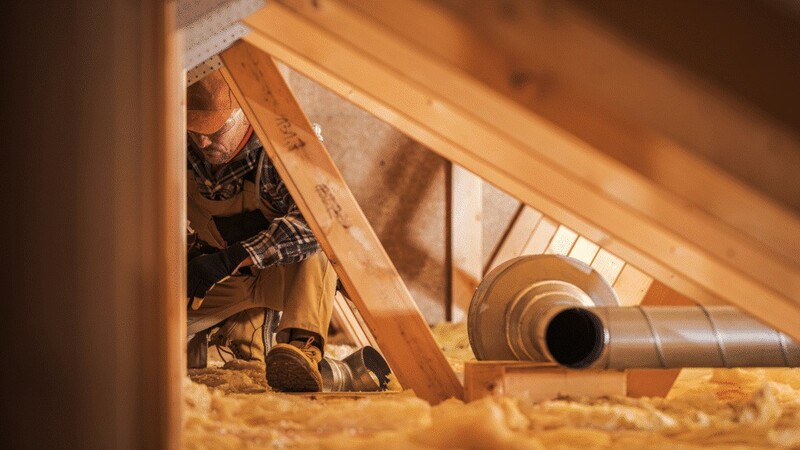
If testing shows elevated levels, confirm the result as advised by the testing professional, then discuss mitigation options. A common approach uses a vent pipe and fan to draw radon from beneath the foundation and release it outdoors, away from windows and openings. The right system depends on the home’s design and should be installed by a qualified specialist. Sealing foundation openings may support a system, but it is rarely a dependable stand-alone fix.
After mitigation, test again to verify that levels have fallen. Keep the results with your home records, and retest periodically or after major renovations. With reliable testing, a clear report, and follow-up measurements, you can understand your home’s radon levels and take practical steps to protect everyone who lives there.