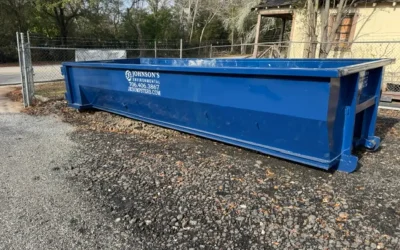
Sharp debris should be contained by controlling where materials are removed, how they are carried, and how they are loaded into the dumpster. For Glendale projects, careful handling around Dumpsters can reduce puncture risks, protect tires, and keep walkways, driveways, and work areas safer during cleanup.
Nails, screws, staples, broken tile, cut metal, splintered wood, and jagged fixtures are common during remodeling, repair, and construction-related cleanup. These materials may look small, but they can create problems when they scatter outside the container or collect around the loading path.
Why Is Sharp Debris a Common Dumpster Safety Issue?
Sharp debris often comes from materials that are removed in pieces. Wood trim may contain nails. Cabinets may have screws or brackets. Flooring may leave staples, tack strips, or broken underlayment. Metal framing, fixtures, and hardware can also create sharp edges.
During a Dumpster Rental, these items are often moved quickly from the work area to the container. If crews carry loose materials without checking for exposed fasteners, small hazards can fall onto the ground. Once nails or screws land in gravel, dust, or driveway cracks, they may be difficult to see.
Glendale homes and job sites often have vehicles, foot traffic, pets, and workers moving around the same area. Keeping sharp materials controlled helps prevent flat tires, scratched surfaces, and injuries.
What Should Be Done Before Loading Begins?
Before loading starts, establish a clear route from the work area to the dumpster. Remove hoses, cords, loose tools, toys, storage bins, and other obstacles from the path. A clean route makes it easier to notice dropped nails or sharp fragments.
It also helps to assign one area for staging debris before it goes into the container. Instead of carrying random pieces from multiple rooms or work zones, group similar materials together. Wood with nails, metal pieces, tile fragments, and small hardware should each be handled with attention.
A magnetic sweeper can be helpful for nails, screws, and other ferrous metal fasteners. For non-metal sharp debris, such as broken tile or glass-like fragments, sweeping and careful collection may still be necessary.
How Should Wood With Nails Be Loaded?
Wood with exposed nails should not be tossed loosely near the dumpster. Boards, trim, pallets, and framing pieces can bounce, shift, or spill fasteners onto the ground.
When possible, stack wood in a consistent direction before loading. Keep nail points facing inward or downward when carrying materials. Avoid dragging long pieces across a driveway or walkway because fasteners can scratch surfaces or break loose.
Once inside the container, wood should stay below the walls. Long boards sticking out of the dumpster can create safety and pickup issues. If pieces are too long, they may need to be cut down before loading, depending on the project and container guidelines.
How Can Small Fasteners Be Contained?
Loose nails, screws, washers, hinges, brackets, and staples should be collected before they scatter. Small containers, sturdy boxes, or buckets can help keep hardware together while the project is active.
Do not sweep small metal pieces directly into open areas where vehicles may pass. Instead, gather them and place them securely inside the dumpster with other debris. If the container has a loading door, use it carefully so small items are not dropped near the entrance.
For projects using a 10 Yard Dumpster Rental, the container may be compact enough for smaller cleanup areas, but the area around it still needs attention. Smaller Dumpsters do not eliminate the need for safe loading habits.
How Should Broken Tile, Flooring, and Sharp Fragments Be Managed?
Broken tile, flooring strips, tack strips, and underlayment can create sharp edges and pointed debris. These materials should be carried in manageable amounts rather than overloaded in loose piles.
Tack strips are especially important to handle carefully because they contain rows of sharp points. Keep them bundled or contained when possible, and avoid placing them where someone may step over them.
Heavy flooring debris should be loaded evenly inside the container. Dense material can add weight quickly, even when it does not take up much space. If the project involves tile, stone, or similar materials, customers should ask about loading limits before filling the dumpster.
What Loading Habits Help Keep the Area Cleaner?
Good loading habits reduce scattered debris. Materials should go directly into the dumpster rather than being piled beside it. Debris staged outside the container can spread, especially if people walk through it or move equipment nearby.
Avoid throwing sharp items from a long distance. Tossing boards, metal, or fixtures can cause pieces to break apart and send nails or fragments outside the dumpster. Carry materials close to the container and place them inside when practical.
The area should also be checked during the project, not only at the end. A quick sweep after each major loading phase can prevent sharp debris from building up around tires, walkways, and entry points.
How Can Workers and Property Owners Stay Safer?
People working near a dumpster should wear appropriate footwear and gloves. Open-toed shoes, thin soles, and bare hands increase the chance of punctures or cuts.
Children and pets should stay away from the container and loading route. Even if the dumpster itself is not being used at the moment, sharp materials may still be present nearby.
For commercial or contractor projects, clear communication is important. Everyone using the site should know where the dumpster is located, what materials are being loaded, and where sharp debris should be staged before disposal.
When Does a Construction Dumpster Make Sense?
A Construction Dumpster can help contain project debris when materials are produced throughout the day. It gives crews a designated location for wood, fixtures, flooring, and other approved debris instead of allowing materials to spread across the site.
The container should be placed where it is easy to reach but not where it blocks driveways, gates, sidewalks, or work areas. Safe placement supports better loading habits and reduces the chance that sharp debris will be dropped across long travel paths.
Keep Sharp Debris Under Control From Start to Finish
Nails, screws, and jagged materials are easier to manage when the cleanup plan is organized before loading begins. Glendale property owners and crews should clear the loading path, collect loose fasteners, handle sharp materials in smaller amounts, and inspect the area regularly. With careful planning, Dumpster Rental projects can stay cleaner, safer, and easier to manage until final pickup.