In today’s competitive industrial landscape, American manufacturers are constantly seeking ways to streamline their processes and minimize expenses while maintaining the highest quality standards. The choice of materials and production methods plays a pivotal role in achieving these objectives. For many, turning to advanced solutions such as Extruded Aluminum Shapes has become a strategic move to boost efficiency and drive down operational costs.
Streamlining Production with Precision and Flexibility
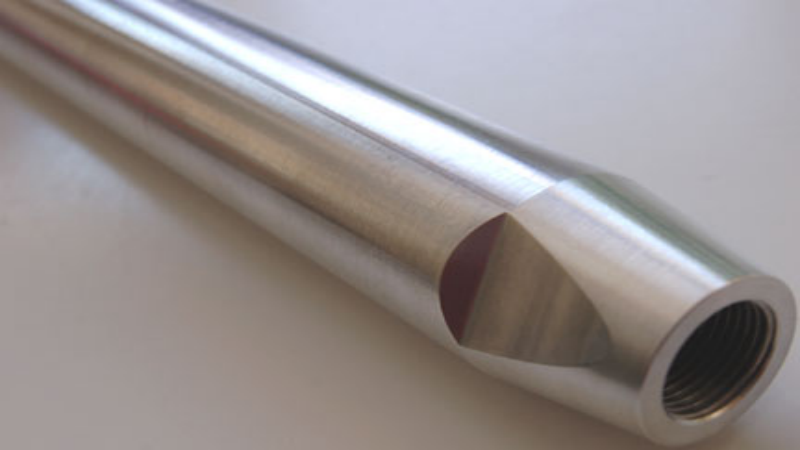
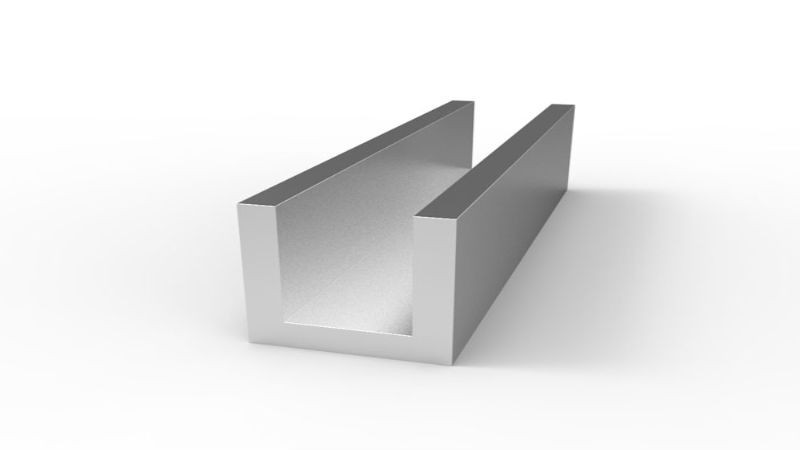
Aluminum extrusion is a process that pushes aluminum alloy through a shaped die to create versatile profiles tailored to specific applications. This technology enables manufacturers to design parts with intricate cross-sections, reducing the need for additional machining or assembly. By leveraging such precision, manufacturers can:
• Reduce material waste: Custom profiles are engineered to exact specifications, minimizing excess scrap.
• Simplify assembly: Interlocking or modular shapes make product assembly faster and more straightforward.
• Achieve consistent quality: The extrusion process delivers uniformity across large production runs, ensuring reliable performance.
The flexibility of aluminum extrusion allows for rapid prototyping and easy design modifications, which is particularly valuable in industries where product innovation is ongoing. Manufacturers can quickly adapt to market demands without overhauling their entire production setup.
Lowering Costs Across the Supply Chain
Cost reduction is a core priority for any manufacturing operation. Using extruded aluminum profiles offers several economic benefits that extend from raw material sourcing to final product delivery:
• Lightweight efficiency: Aluminum is significantly lighter than steel, reducing shipping and handling costs while maintaining structural integrity.
• Corrosion resistance: The natural oxide layer on aluminum eliminates the need for costly coatings or frequent replacements due to rust.
• Energy savings: Aluminum’s excellent thermal conductivity can improve energy efficiency in applications like heat exchangers and electronic housings.
• Recyclability: Aluminum can be recycled repeatedly without losing its properties, supporting sustainable manufacturing and reducing material expenses.
These attributes make aluminum extrusion an attractive option for industries ranging from automotive and aerospace to construction and electronics.
Enhancing Productivity and Meeting Market Demands
American manufacturers face increasing pressure to deliver products quickly and efficiently. Extruded aluminum profiles contribute to shorter lead times and greater productivity by:
• Enabling automation: Consistent shapes and dimensions are ideal for automated assembly lines, reducing manual labor and human error.
• Supporting just-in-time manufacturing: The ability to produce custom profiles as needed helps companies manage inventory more effectively.
• Facilitating scalability: As demand fluctuates, extrusion processes can be easily ramped up or down, offering operational flexibility.
These advantages help manufacturers stay competitive in a fast-paced global market, meeting customer expectations while optimizing internal processes.
The Future of Manufacturing with Aluminum Extrusion
As American manufacturing continues to evolve, the adoption of innovative materials and methods remains essential. Aluminum extrusion is at the forefront of this movement, offering a compelling combination of design freedom, performance, and cost savings. By embracing extruded profiles, companies position themselves to adapt quickly to changing market needs, comply with environmental standards, and achieve long-term operational excellence.
In summary, the use of extruded aluminum shapes empowers American manufacturers to streamline production, cut costs, and respond to market challenges with agility. This approach not only enhances efficiency but also supports sustainable growth in an increasingly demanding industrial environment.