Simply put:
- Portable storage containers delivered to a driveway let residents pack on their own schedule without renting a truck.
- Climate-controlled storage protects furniture and electronics from heat and humidity between moves.
- Matching container size and storage duration to the move type reduces cost and handling stress.
Moving storage that combines a portable container with flexible pickup, delivery, and holding options gives households and businesses a way to pack at their own pace instead of racing against a single moving-truck rental window. The right setup depends on timeline, item fragility, and how long belongings need to sit before a new home or office is ready.
Selecting Moving Storage that fits a specific relocation timeline starts with understanding the main formats available to residents and businesses in the area. Portable container service, traditional self-storage units, and full-service moving labor each solve a different part of the relocation puzzle, and most moves benefit from combining more than one.
Comparing Moving Storage Formats
Each format trades convenience, cost, and labor differently. A side-by-side view helps clarify which option fits a given timeline.
| Storage Format | Best For | Labor Required | Typical Duration |
| Portable container | Multi-step moves, renovations | Self-pack, optional help | Days to months |
| Traditional self-storage unit | Long-term overflow items | Self-transport to facility | Months to years |
| Full-service movers | Large households, tight timelines | Crew handles loading | Single move day |
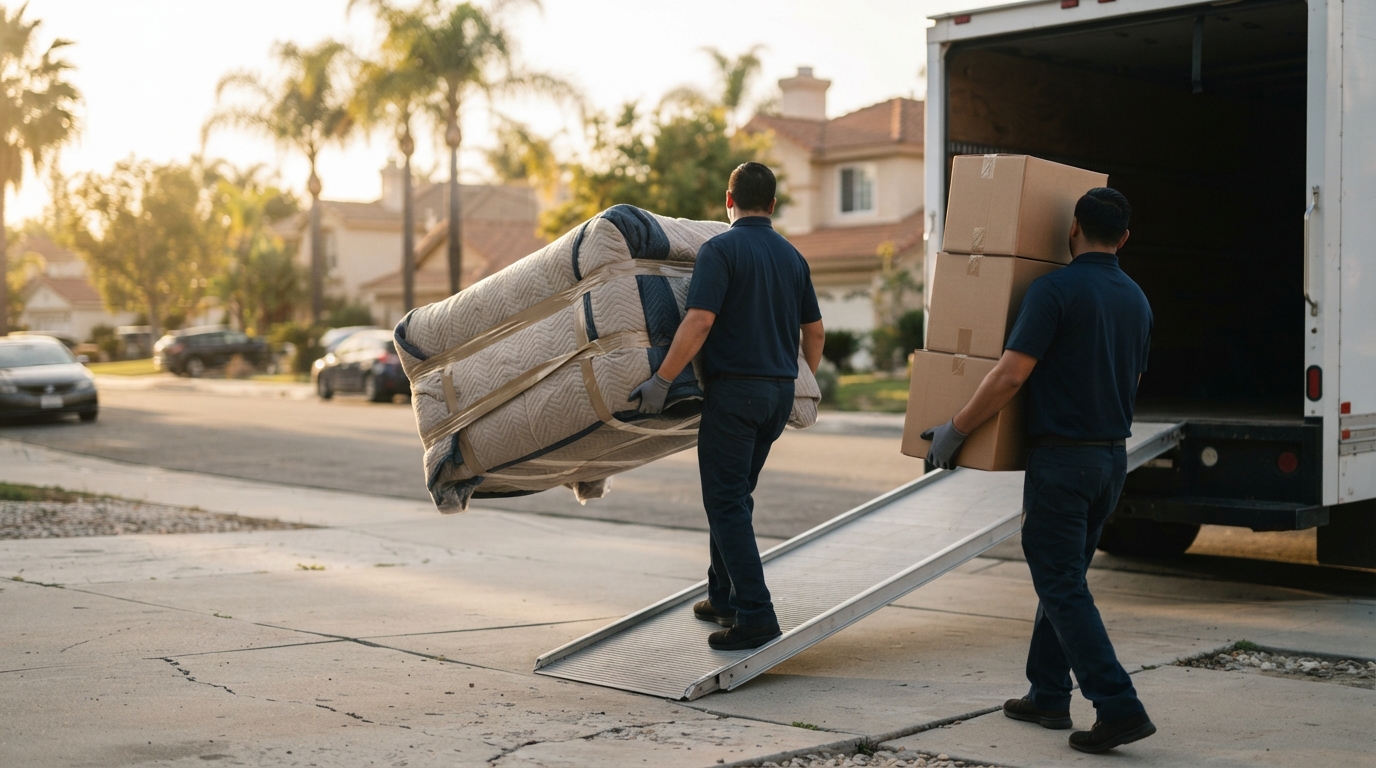
Portable containers sit in a driveway or lot so packing happens gradually, which matters most for renovation projects or home sales where a firm closing date is not yet set. Traditional units require a separate trip to a facility, while full-service crews handle everything in one day but offer less flexibility if plans shift.
Matching Container Size to the Move
Sizing a container correctly avoids paying for unused space or running out of room mid-pack.
- A studio or one-bedroom typically fills a single smaller unit.
- A three- or four-bedroom home often needs two units or one larger container.
- Office relocations benefit from sizing around furniture dimensions rather than square footage alone.
Climate Control for Dallas, TX Conditions
Summer heat and humidity swings in Dallas, TX can warp wood furniture, damage electronics, and encourage mildew in fabric items left in uncontrolled storage. Climate-controlled storage holds a steadier temperature range, which matters for photographs, musical instruments, and upholstered furniture during multi-week storage periods. Reviewing the EPA’s moving waste reduction guidance before packing can also help households plan what to store versus donate, cutting down on items that need climate protection in the first place.
Planning a Pickup and Delivery Timeline
Scheduling pickup and delivery windows early prevents last-minute conflicts with lease end dates or closing dates.
- Confirm the delivery date for the empty container at least one to two weeks ahead.
- Set a packing deadline that leaves a buffer day before pickup.
- Decide whether the container will be stored off-site or kept on the property during a renovation.
- Schedule final delivery to the new address once move-in access is confirmed.
Businesses coordinating office moves should also confirm loading-dock or parking restrictions at both locations before the container arrives, since access delays are a common cause of rescheduled pickups.
Local Service Notes
Portable storage container providers generally supply the container along with drop-off and pickup logistics, but loading and unloading labor is often arranged separately through local moving help. Based in Grand Prairie, TX, the regional provider covered in this article serves customers throughout Dallas, TX with container delivery and either climate-controlled or standard storage, depending on what a given move requires.
Frequently Asked Questions
How far in advance should a portable storage container be booked? Booking one to two weeks ahead is generally enough for standard residential moves, though peak moving months may require earlier scheduling.
Can a container stay on a driveway during a home renovation? Many portable containers can remain on-site for weeks at a time, subject to any local property or HOA restrictions on driveway storage.
Is climate-controlled storage necessary for every move? It is not required for short holding periods of a few days, but it reduces risk for sensitive items stored longer than a few weeks, particularly during hot months.
What is the difference between a storage container and a traditional storage unit? A container is delivered to the property for loading and can later be moved or held, while a traditional unit requires transporting items to an off-site facility.
Final Notes on Choosing Moving Storage
Matching container size, climate control, and scheduling to the specifics of a move reduces the chance of delays or damaged belongings during a relocation. Current container availability and service details for Mule Box are published for the regional service area.