Briefly:
• Tile material choice depends on room moisture levels, foot traffic, and substrate condition, not just color or style.
• Porcelain, ceramic, and natural stone each perform differently in bathrooms, kitchens, and entryways.
• Proper substrate preparation matters as much as the tile itself for long-term durability.
Selecting the right tile for a Burnsville home comes down to matching material properties to room conditions: porcelain and ceramic suit most kitchens and bathrooms, while natural stone works best in lower-traffic, carefully sealed spaces.
Homeowners planning tile installation in Burnsville MN often focus on appearance first, but durability and substrate compatibility determine how the floor performs years later. A tile that looks right in a showroom can underperform if it is not matched to the room’s moisture exposure or the condition of the subfloor beneath it. Getting this decision right before installation begins saves homeowners from costly repairs or replacements later.
Porcelain, Ceramic, or Natural Stone
Each tile category brings different strengths to a project, and the right pick depends on where it will be installed.
Porcelain tile
• Dense and low-porosity, making it resistant to moisture and staining
• Well suited to bathrooms, kitchens, mudrooms, and entryways
• Available in large-format sizes that mimic wood or stone
Ceramic tile
• Generally more affordable than porcelain
• Performs well in low-to-moderate traffic areas like powder rooms
• Easier to cut, which can simplify intricate layouts
Natural stone (marble, travertine, slate)
• Offers a distinct, non-repeating visual pattern
• Requires sealing and more frequent maintenance
• Needs a stricter substrate deflection standard than ceramic tile
| Material | Moisture Resistance | Maintenance Level | Best Rooms |
| Porcelain | High | Low | Bathrooms, kitchens, entryways |
| Ceramic | Moderate | Low to moderate | Powder rooms, low-traffic areas |
| Natural stone | Varies, needs sealing | High | Formal spaces, accent walls |
Why Substrate Preparation Shapes Material Choice
Tile performance depends heavily on what lies beneath it. Industry guidelines note that proper installation requires a properly prepared substrate that meets specific deflection limits, and these limits vary between ceramic tile and natural stone and are critical to preventing cracked tiles and grout. This is one reason natural stone is not always interchangeable with ceramic or porcelain on the same subfloor.
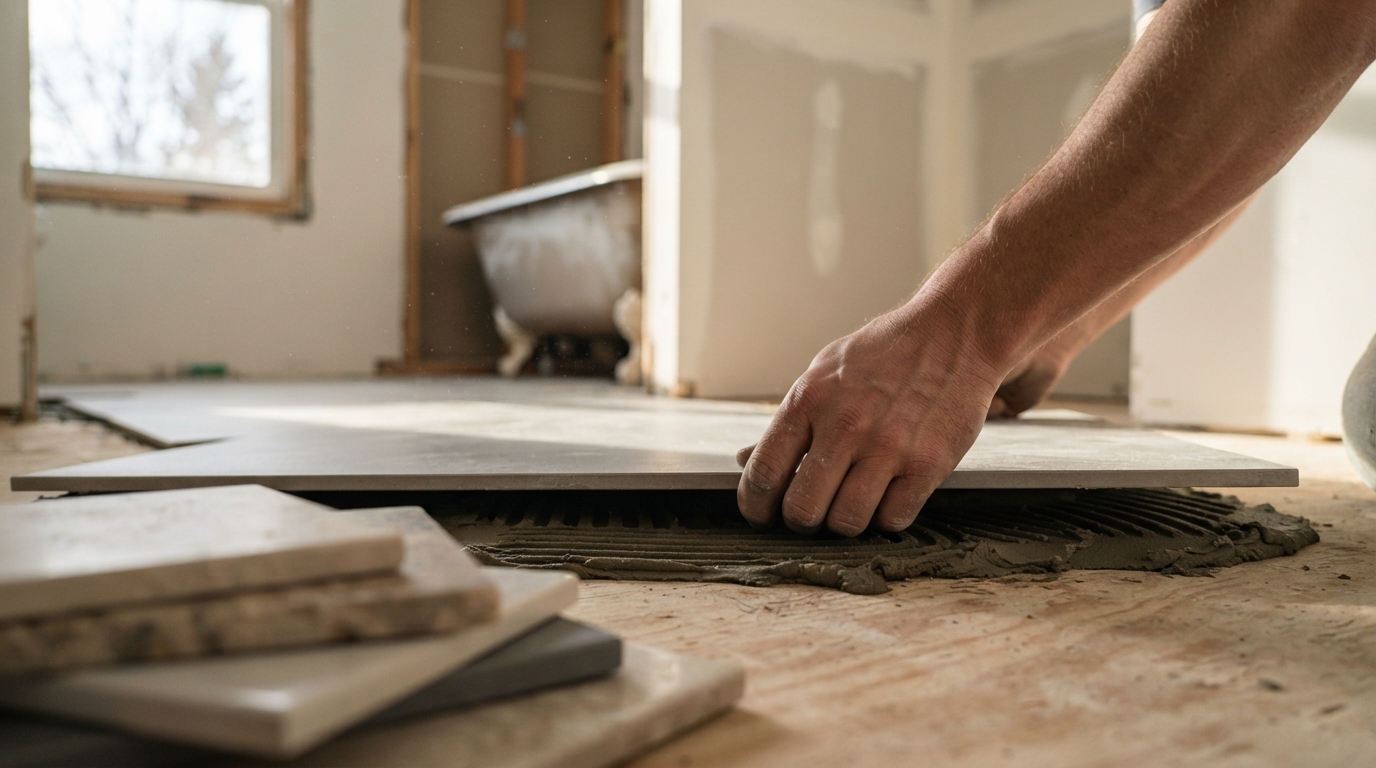
Wet areas carry additional requirements. According to tile industry standards, a continuous waterproofing membrane is required for shower walls, installed over the substrate and behind the tile to stop water from reaching the framing and insulation, since tile and grout are not waterproof and cement board alone does not block moisture. Mortar coverage matters too: standards call for a minimum of 95% mortar coverage in showers, with full support at tile edges and corners, which prevents voids behind the tile where water can collect and weaken the bond.
For homeowners wanting a deeper technical reference, the TCNA Handbook for Ceramic, Glass, and Stone Tile Installation outlines national standards for substrate flatness, grout joint sizing, and wet-area detailing that professional installers follow.
Matching Tile to Room Function
Different rooms place different demands on tile, and the material should reflect that use pattern.
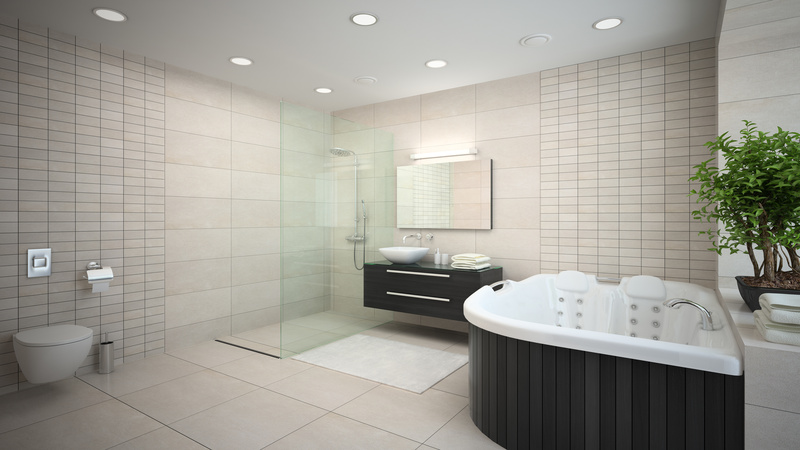
1. Bathrooms and showers call for low-absorption porcelain or properly sealed stone, paired with a waterproofing membrane behind the tile.
2. Kitchens benefit from porcelain or dense ceramic that resists grease, moisture, and daily foot traffic.
3. Entryways and mudrooms need slip-resistant, durable tile able to handle dirt, moisture, and seasonal temperature shifts common in Minnesota.
4. Backsplashes allow more flexibility since they see less foot traffic, opening the door to decorative ceramic or glass accents.
Grout joint width and layout pattern also affect long-term appearance, particularly in larger tile formats where substrate flatness becomes more noticeable.
Planning a Tile Project the Right Way
A successful tile installation starts with an honest look at the room’s moisture levels, traffic patterns, and existing subfloor condition before any material is chosen. Homeowners who visit a showroom in person can compare samples side by side and ask about how each option performs in similar Minnesota homes. Hertaus Floors operates showrooms where customers can view tile, stone, and ceramic samples before committing to a project.
Frequently Asked Questions
Is porcelain tile better than ceramic for bathrooms? Porcelain is generally more water-resistant than ceramic because of its lower porosity, making it a common choice for showers and high-moisture bathrooms.
Does natural stone tile need extra maintenance? Yes. Natural stone typically requires periodic sealing and more careful cleaning than porcelain or ceramic to prevent staining and etching.
Can any tile be installed over an existing subfloor? Not always. The subfloor must meet flatness and deflection standards specific to the tile type, and natural stone generally requires a stricter standard than ceramic.
What is the biggest factor in choosing tile for a kitchen? Durability against moisture, grease, and daily wear is typically the top consideration, which is why porcelain and dense ceramic are common kitchen choices.
Choosing tile material is ultimately about matching product performance to how a room will actually be used, not just its finished look. A conversation with an experienced flooring professional, paired with a visit to a showroom with samples on hand, helps homeowners avoid mismatches between material and room condition. For residents comparing options locally, Hertaus Floors offers showroom access to view and compare tile materials before starting a project.