Takeaway:
• Cabinet material and storage layout decisions shape durability, daily function, and long-term value more than style alone.
• A qualified custom cabinet builder designs, fabricates, and installs cabinetry suited to the specific dimensions and habits of a household.
• Storage features like pull-outs, dividers, and corner solutions matter as much as wood species or finish choice.
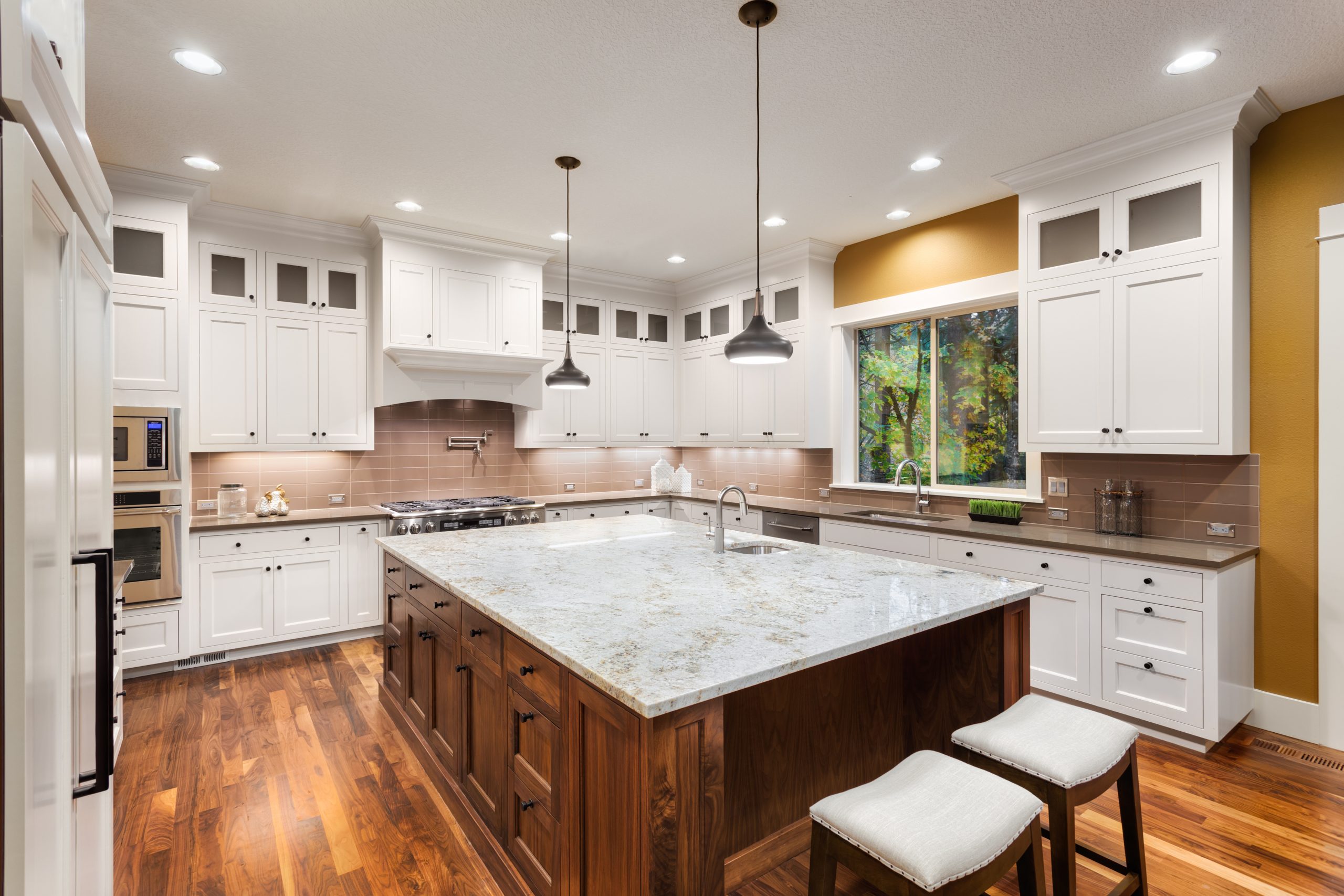
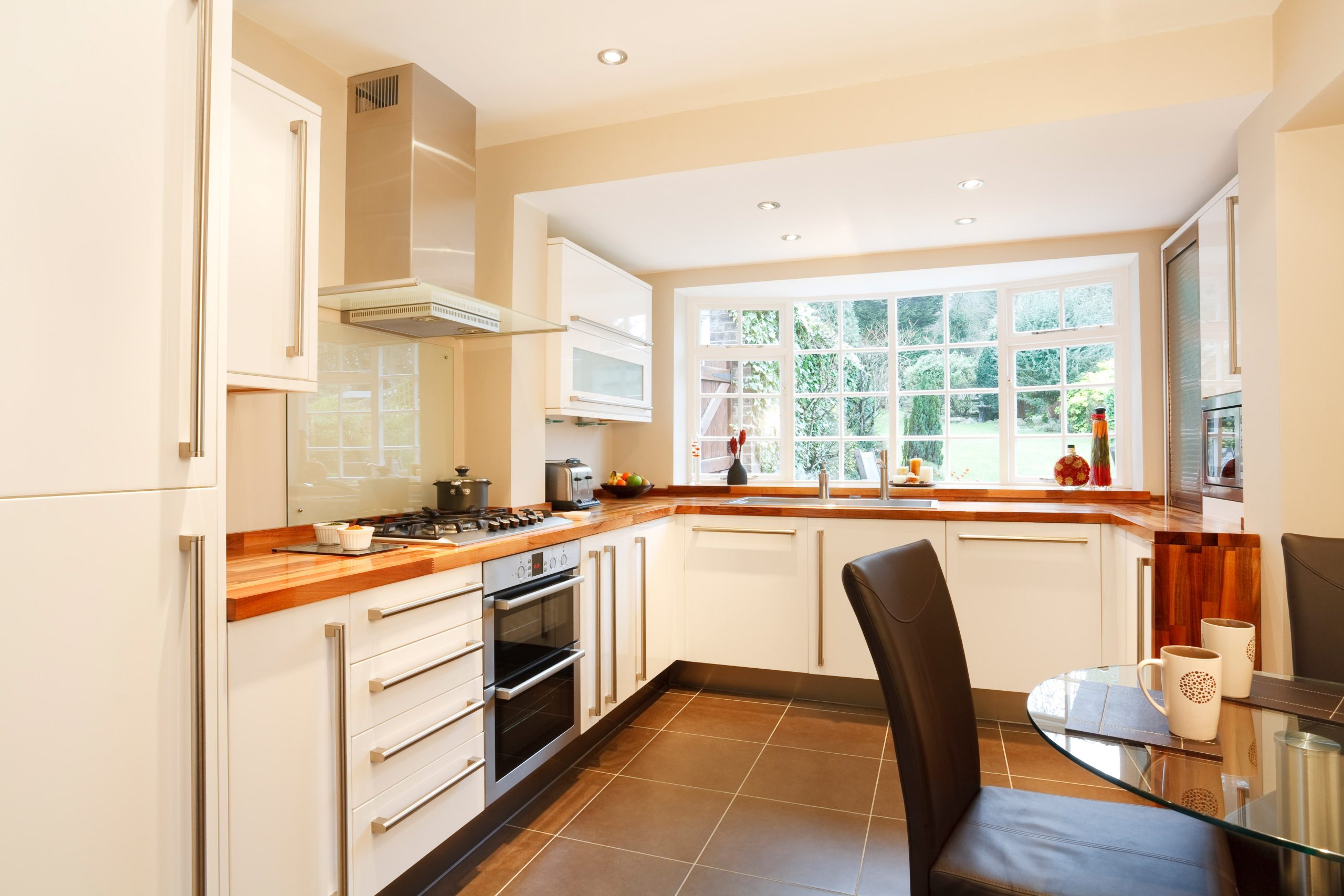
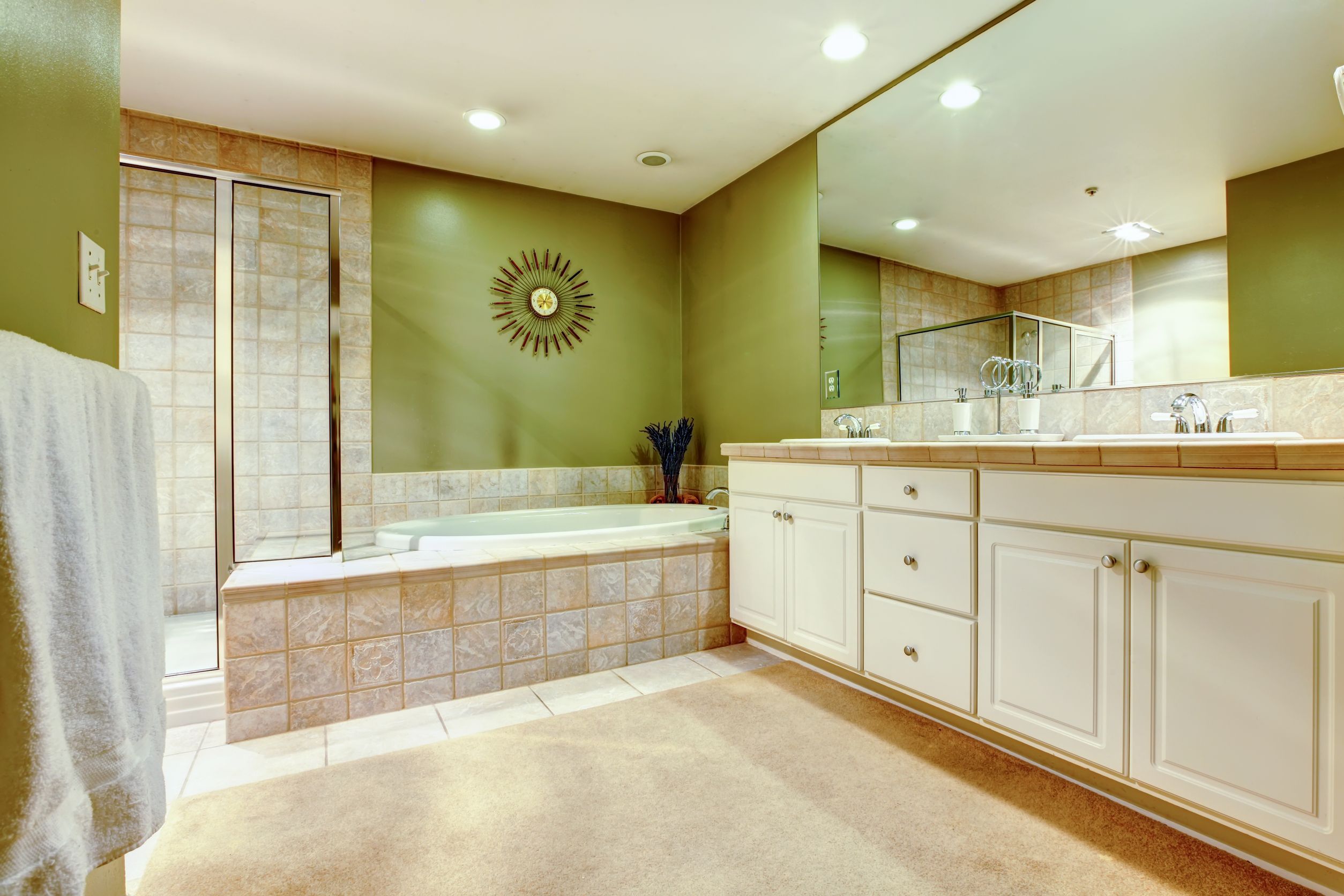
Choosing cabinet materials and storage features is less about trends and more about how a kitchen or bathroom gets used every day. A custom cabinet builder in Maplewood, MN typically starts with the homeowner’s storage habits, then works backward into material and layout decisions that support them. That sequence, rather than picking a finish first, tends to produce cabinetry that holds up over years of daily use.
Material selection also affects long-term maintenance. Hardwood species resist warping better than particleboard in humid bathroom or kitchen environments, which is one reason builders ask about moisture exposure before recommending a material.
Material Options That Affect Durability and Cost
Cabinet material is the first decision point, and it influences price, weight, and how the cabinets age over time.
• Solid hardwood: dense, long-lasting, takes stain and paint finishes well.
• Plywood boxes with hardwood faces: a common balance of strength and cost control.
• Engineered panels (MDF or particleboard with veneer): smoother painted finishes, lower upfront cost, more sensitive to moisture.
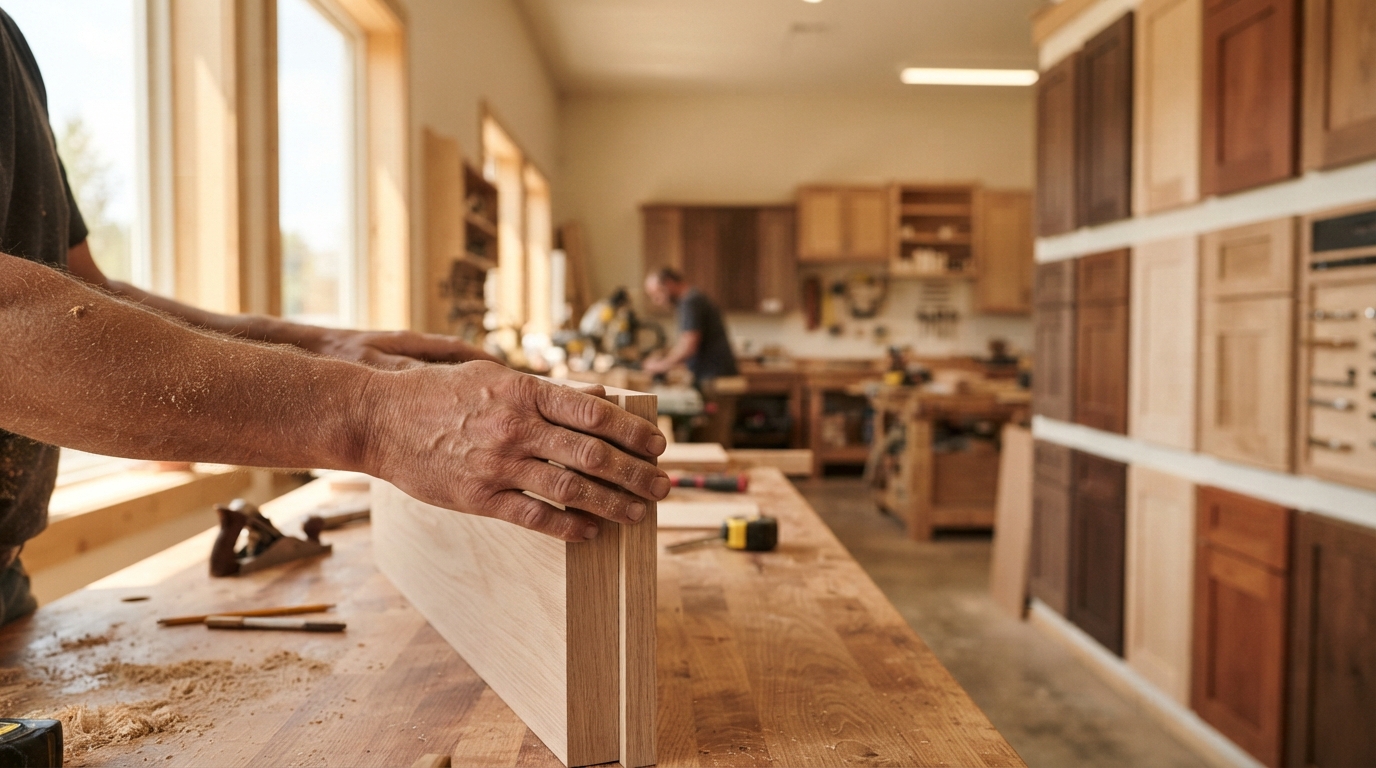
Cabinet builders who fabricate products in-house can tailor material choices and designs to suit each room’s requirements. Working directly with homeowners allows them to consider preferred styles, available space, storage needs, and functionality. This approach helps create cabinetry that complements the home’s interior while making efficient use of available space.
Storage Features Worth Discussing Before Fabrication
Storage is where cabinetry earns its keep, and the features built into the boxes matter more than the door style on top.
1. Deep drawers for pots, pans, and small appliances instead of lower cabinets with fixed shelves.
2. Pull-out shelving in base cabinets to reach items without kneeling.
3. Corner storage solutions, since blind corners waste significant usable space in most kitchen layouts.
4. Vertical dividers for trays, cutting boards, and baking sheets.
5. Drawer organizers sized to utensils, spices, or linens depending on the room.
Kitchen planning standards from the National Kitchen and Bath Association have guided professional storage layouts for decades, covering shelf and drawer frontage recommendations based on kitchen size. A builder familiar with these benchmarks can flag when a layout is likely to fall short on functional storage before fabrication begins, not after installation.
Comparing Common Cabinet Build Approaches
The table below outlines how cabinet build types typically compare on cost, customization, and lead time.
| Build Type | Customization Level | Typical Lead Time | Best Fit |
| Fully custom, built to order | High | Longer | Unique layouts, specific storage needs |
| Semi-custom (modified stock sizes) | Moderate | Moderate | Standard rooms with minor adjustments |
| Stock cabinets, pre-manufactured | Low | Shortest | Fast turnaround, simpler layouts |
Homeowners choosing between these approaches should weigh how much their room dimensions or storage goals deviate from standard sizing. A room with irregular walls or unusual appliance placement generally benefits more from a fully custom build, even with a longer wait.
Working Through Design, Fabrication, and Installation
A complete cabinet project typically moves through three stages handled by the same team. ZAXX Cabinets, a Minnesota and Wisconsin cabinet maker with a Maplewood showroom, describes providing complete custom cabinet services, including design, fabrication, and installation. Keeping those stages under one provider can reduce coordination gaps between the people who design the layout and the people who build and install it.
• Design consultation to map storage needs, room dimensions, and material preferences.
• In-shop fabrication using the selected material and hardware.
• On-site installation, including adjustments for walls, flooring, or appliance placement.
Homeowners planning a kitchen, bathroom, or office cabinetry project benefit from asking a builder directly how each stage is staffed and how long fabrication typically takes for their specific material choice.
Frequently Asked Questions
What cabinet material lasts longest in a kitchen? Solid hardwood and plywood boxes with hardwood faces generally hold up better to moisture and daily wear than particleboard, though all materials perform differently depending on finish and maintenance.
How do I know if I need custom storage features instead of stock cabinets? Rooms with irregular dimensions, corner cabinets, or specific storage goals, such as deep drawers for cookware, typically benefit more from custom or semi-custom builds than stock sizing.
Does a custom build take significantly longer than stock cabinets? Custom fabrication generally requires more lead time than pre-manufactured stock cabinets, since each piece is built to specific measurements rather than pulled from existing inventory.
Can one builder handle design, fabrication, and installation together? Some cabinet makers offer all three services in-house, which can simplify communication and scheduling compared to coordinating separate designers, shops, and installers.
Material and storage decisions set the tone for how a kitchen or bathroom will function for years, not just how it looks on installation day. Working through those choices with a builder who handles design, fabrication, and installation together, such as ZAXX Cabinet, gives homeowners a clearer path from early planning to a finished space built around real daily use.