Bottom line:
• Student performance tours pair rehearsal and travel logistics with real venue experience, turning classroom music, theater, and dance instruction into live public performance.
• New York City offers student groups access to professional venues, workshops, and historic performance spaces not available in a typical school setting.
• Programs are generally organized around specific art forms (band, choir, orchestra, theater, dance) with itineraries built around performance opportunities and sightseeing.
Music, theater, and dance instructors in New York City classrooms teach technique and repertoire, but a stage performance in front of an audience outside the school building tests those skills in a different way. Educational Performance Tours and similar organizations build itineraries around that gap, pairing travel logistics with structured performance opportunities.
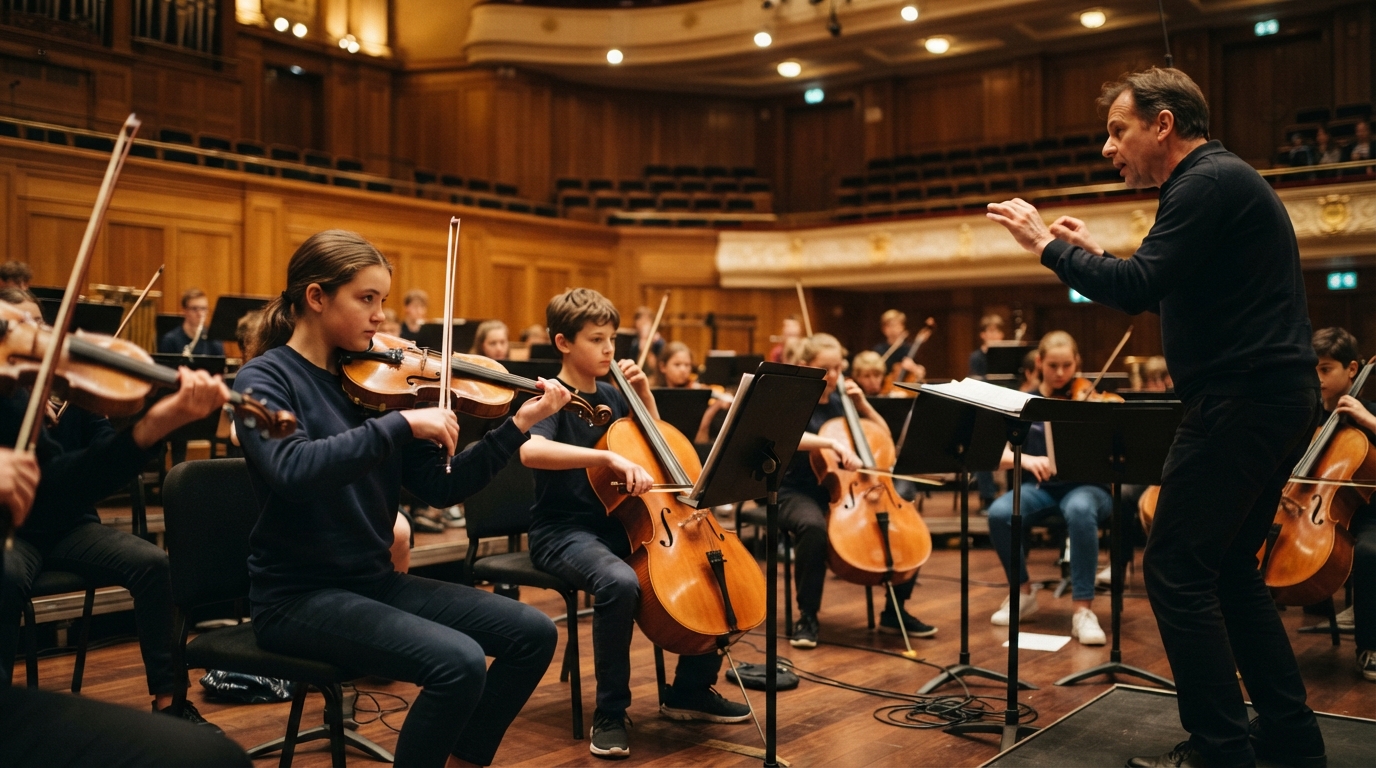
An Educational Performance Tours New York City itinerary typically places a school ensemble inside a professional performance circuit for several days, combining rehearsal time, a public or private concert, and guided exposure to the city’s arts institutions. This differs from a standard field trip because the group is not only observing performances; it is often preparing for and delivering one.
Why New York City Is a Common Destination for Student Performance Groups
New York City concentrates a density of performance venues, conservatories, and professional ensembles that few other cities can match. Carnegie Hall alone runs multiple education initiatives for school-age musicians each year, including programs for elementary, middle, and high school students built around in-classroom learning that leads to a culminating concert. According to Carnegie Hall’s Weill Music Institute, its Link Up program for grades 3-5 has students learn an instrument in the classroom and then perform with a professional orchestra at a culminating concert.
Other frequently cited performance and educational stops for student groups in the city include:
• Broadway theaters and backstage areas
• Lincoln Center concert series and plazas
• St. Patrick’s Cathedral and St. John the Divine
• The United Nations Visitor Center
• Historic sites such as the Statue of Liberty and South Street Seaport
These locations give band, choir, orchestra, theater, and dance programs a range of formal and informal performance settings beyond a single concert hall.
What a Performance Tour Itinerary Typically Includes
Most structured performance tours follow a similar framework regardless of the specific destination. Groups travel to the city, settle into accommodations, and move through a schedule built around rehearsal blocks, a scheduled performance, and time for sightseeing or workshops with performing arts professionals.
1. Arrival and orientation, including hotel check-in and chaperone coordination
2. Rehearsal and sound check at the performance venue
3. The featured performance, whether a public concert, private production, or festival appearance
4. Workshops or clinics led by industry professionals
5. Sightseeing at cultural and historic landmarks tied to the performing arts
Comparing Performance Tour Formats
|
Format |
Typical Group Type |
Core Activity |
|
Competitive festival |
Band, choir, orchestra |
Judged performance against other school groups |
|
Non-competitive showcase |
Band, choir, orchestra, theater |
Public or private concert without formal judging |
|
Workshop or masterclass |
Theater, dance, music |
Instruction from working performing arts professionals |
|
Venue-based performance series |
Choir, orchestra |
Performance at a named concert hall or historic site |
Schools choose a format based on whether the goal is competition, exposure, skill-building, or a combination of the three.
Planning Considerations for School Groups
Educators organizing a trip to New York City need to account for several practical factors before committing a department budget and travel dates.
• Group size and logistics: Larger ensembles require more coordination for transportation, lodging, and venue scheduling.
• Curriculum alignment: Performance tours work best when tied to specific learning objectives, not only travel as a reward.
• Season and venue availability: Major halls and festival dates fill early, so lead time matters.
• Chaperone and safety planning: Multi-day travel with minors requires a clear supervision ratio and itinerary oversight.
These factors apply to any performing arts group traveling to a major metropolitan destination, not only those headed to this specific city.
Frequently Asked Questions
What age groups typically go on student performance tours? Programs generally serve elementary through high school groups, with specific offerings varying by grade band, such as programs built for grades 3-5 or for middle and high school musicians.
Do students need to be part of a competitive ensemble to participate? No. Many tours include non-competitive performance formats, workshops, and showcases alongside competitive festival options.
How far in advance should a school book a performance tour? Venue and festival schedules in major cities fill months ahead, so most planning guidance recommends securing dates well before the target travel season.
What subjects or ensembles are typically included? Common categories include choir, orchestra, concert band, theater, and dance, each with performance opportunities suited to that discipline.
Give your students the opportunity to take their classroom learning beyond school walls with an educational performance tour in New York City. Educational Performance Tours helps school groups plan performing arts trips that combine live performance opportunities, workshops, and cultural experiences for music, dance, and theater students. Whether you’re organizing a band, choir, orchestra, or theater trip, contact Educational Performance Tours to discuss your group’s goals and itinerary options. Visit Educational Performance Tours on Google Maps for business details and contact information.


