At glance:
• Slipping gears, delayed shifts, grinding noises, burning smells, and fluid leaks are the most common warning signs of transmission trouble.
• A vehicle that hesitates when shifting into drive or reverse should be inspected before the problem worsens.
• Professional diagnostic testing is the most reliable way to confirm whether a transmission issue is minor or serious.
A vehicle that hesitates, jerks, or slips between gears is signaling a transmission problem that should not be ignored. Recognizing these symptoms early and scheduling transmission repair in Monroe WA can prevent a manageable issue from turning into a costly rebuild. FS Autoworx is a family-owned shop in Monroe that works on automatic and manual transmissions for gas and diesel vehicles across all makes and models.
Transmission trouble rarely appears out of nowhere. Most failures build gradually, giving drivers a window to catch problems while repairs are still relatively simple and affordable.
Common Warning Signs of Transmission Trouble
Transmission issues tend to announce themselves through a combination of sounds, smells, and driving behavior changes. Paying attention to these signals can mean the difference between a fluid service and a full rebuild.
• Slipping gears or RPM spikes without acceleration. If your transmission is slipping, you’ll feel the engine revving higher than usual without a corresponding increase in speed.
• Delayed or rough shifting. If your engine revs excessively before shifting, or if your vehicle hesitates before shifting into Drive or Reverse, or if shifts feel hard, jerky, or abrupt, it may be time for service. Delayed shifting can feel like a pause between pressing the accelerator and the vehicle responding.
• Unusual noises. Whining, buzzing, clunking, or grinding noises during shifting are not normal and often indicate internal wear or fluid problems, with a whining noise sometimes pointing to a failing pump or low fluid.
• Burning odor. A burning odor while driving is a strong warning sign, since transmission fluid lubricates and cools components, and old, low, or contaminated fluid can lead to overheating.
• Fluid leaks. Fluid leaks, along with slipping gears and grinding noises, are among the clearest indicators that a transmission may be failing.
• Dashboard warning lights. According to the NHTSA , dashboard warning lights are designed to alert drivers to conditions that may affect vehicle safety or performance, and they should never be dismissed even if the car still seems to drive normally.
Why Fluid Condition Matters So Much
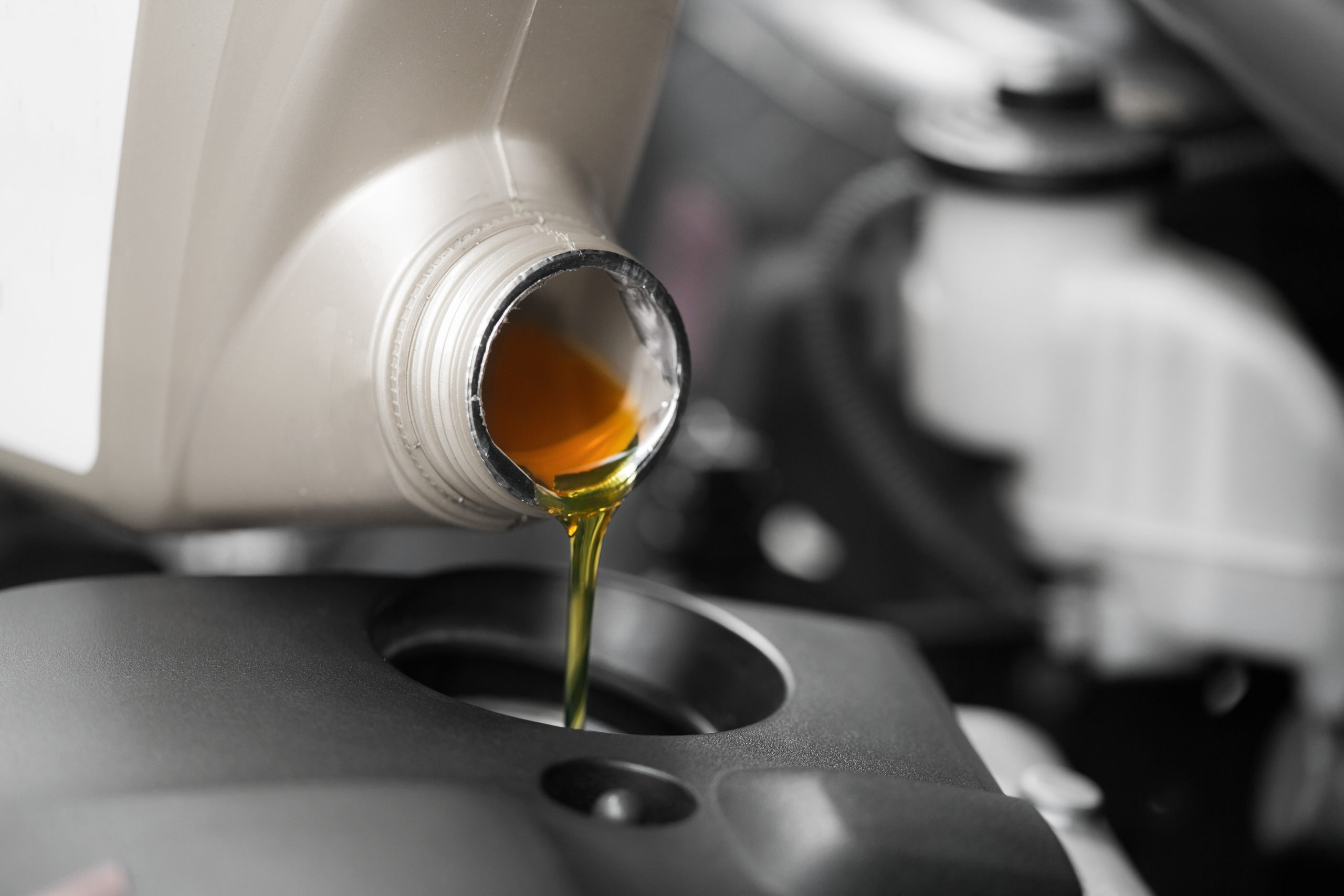
Transmission fluid does more than lubricate moving parts. It also regulates temperature and hydraulic pressure, which is why its condition is often the first place a technician looks.
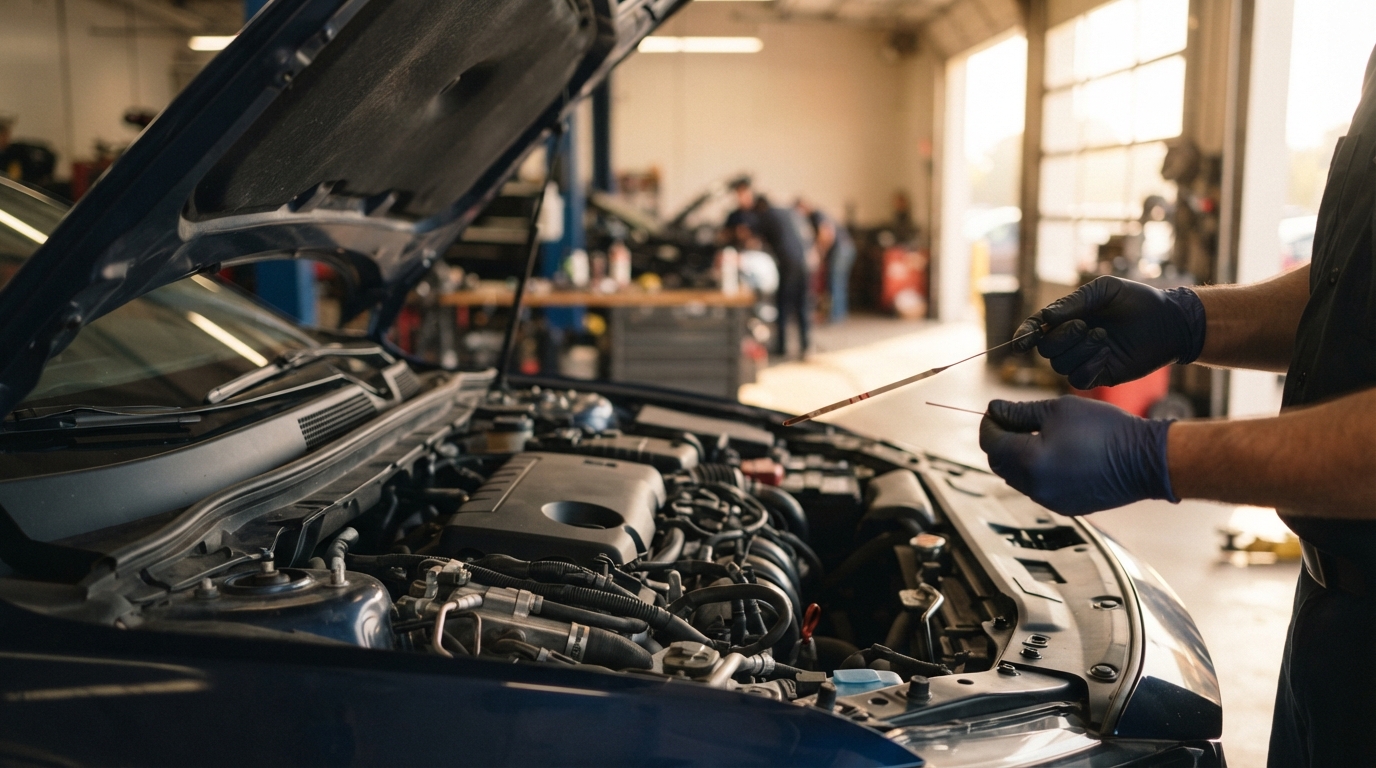
• Check color and smell. The fluid should be bright red or slightly darker, not brown or black, and it shouldn’t smell burnt.
• Low fluid causes shifting delays. When fluid levels drop, hydraulic pressure decreases, which can cause delays or rough shifts, so it’s worth confirming that fluid reaches the “full” mark on the dipstick.
• Sealed systems need professional attention. In many modern vehicles, the transmission is a sealed system that requires specialized tools and diagnostics to service properly.
Simple checks like these can catch a problem early, but once fluid has degraded or a leak has developed, professional diagnosis becomes necessary.
What Happens During a Diagnostic Inspection
A proper diagnostic goes beyond a visual check. Technicians typically pair computer-based scans with a road test to confirm what is actually happening inside the transmission.
• If you notice any signs of transmission problems and you aren’t comfortable dealing with the repair yourself, a technician can use specialized tools to read diagnostic codes, check fluid pressure, and perform road tests that reveal issues you might miss.
• Fault codes can point to electronic issues, such as a faulty solenoid, rather than a mechanical failure, which changes the scope and cost of repair.
• A road test allows a technician to feel shift timing and listen for noises that may not show up in a stationary inspection.
Comparing Symptom Severity
| Symptom | Typical Cause | Urgency Level |
| Dashboard warning light only | Sensor or minor electronic fault | Schedule inspection soon |
| Delayed or rough shifting | Low or degraded fluid, worn solenoid | Address promptly |
| Burning smell | Overheating fluid | High – stop driving if persistent |
| Slipping gears / no movement in gear | Internal wear or severe fluid loss | Immediate attention needed |
This table reflects general symptom patterns; an in-person inspection is the only way to confirm the actual cause for a specific vehicle.
Frequently Asked Questions
Can I keep driving with a slipping transmission? Continuing to drive with a slipping transmission risks further internal damage and, in some cases, loss of vehicle control, so it should be inspected promptly rather than ignored.
Is a burning smell always a transmission problem? Not always, but a burning odor while driving is frequently linked to overheating transmission fluid and should prompt an inspection rather than being dismissed.
How can I tell if my fluid needs changing? Checking the dipstick for color and smell is a simple first step; fluid that looks brown or black or smells burnt typically signals it is time for service.
Does a warning light always mean the transmission is failing? Not necessarily, since dashboard lights can indicate anything from a minor sensor issue to a more serious mechanical problem, which is why a diagnostic scan is the most reliable way to identify the cause.
Recognizing these early warning signs and acting on them before symptoms worsen is the most effective way to protect a vehicle’s drivetrain and avoid a breakdown on the road. Drivers in Monroe dealing with slipping gears, rough shifts, or dashboard warnings can have FS Autoworx evaluate their vehicle, where technicians service automatic and manual transmissions for all makes and models. Scheduling an inspection at the first sign of trouble is generally far less costly than waiting until the transmission fails.