In short:
- Probate estate lawyers guide executors and heirs through court-supervised asset transfer, debt settlement, and title clearance after a death.
- Ohio probate generally runs through the county probate court where the deceased resided, with timelines varying by estate complexity.
- Legal guidance helps reduce delays, disputes among heirs, and errors in asset valuation or distribution.
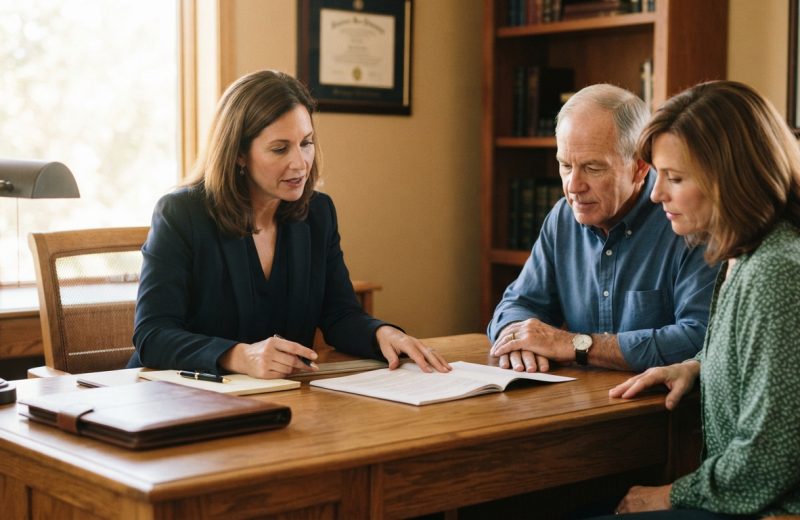
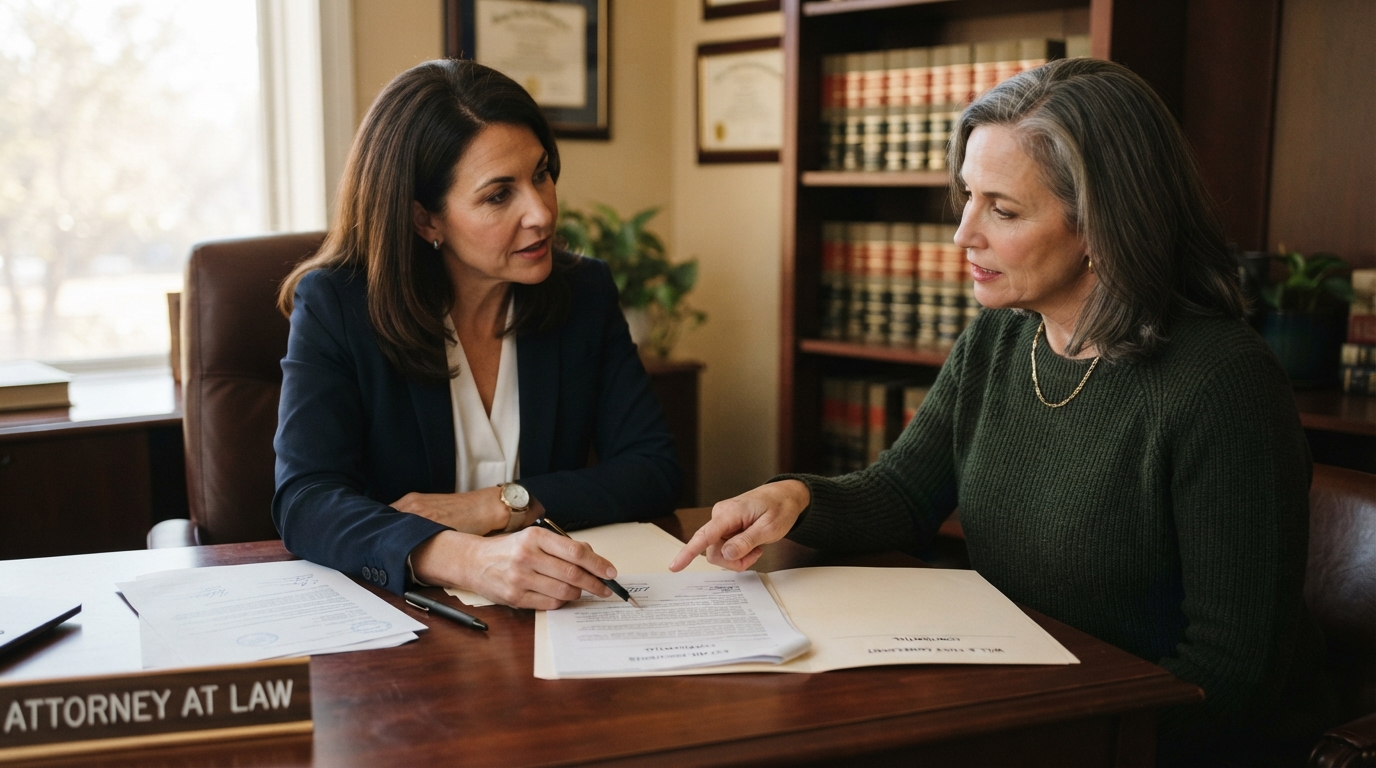
When a family member dies owning property, bank accounts, or other assets titled solely in their name, those assets typically cannot be transferred to heirs without court involvement. Probate estate lawyers handle the legal filings, creditor notices, and asset distribution required to settle an estate under local court supervision.
Working with Probate estate lawyers becomes especially relevant when an estate includes real property, multiple heirs, or outstanding debts, since each of these factors can extend the probate timeline or raise the risk of disputes. An attorney reviews the will (or determines intestate succession rules if none exists), files the necessary paperwork with the probate court, and coordinates with appraisers, creditors, and financial institutions throughout the process.
What Probate Involves for Ohio Families
Probate in Ohio is handled at the county level, meaning the process for an estate in Franklin County follows procedures set by that county’s probate court. Executors named in a will must file for authority to act, publish notice to creditors, and submit an inventory of estate assets within court-mandated deadlines.
Common steps in a typical probate case include:
- Filing the will and petition for administration with the probate court
- Notifying heirs, beneficiaries, and known creditors
- Appraising real estate, vehicles, and other significant assets
- Paying valid debts and final taxes from estate funds
- Distributing remaining assets according to the will or state intestacy law
- Closing the estate with a final accounting to the court
Because each county probate court sets its own local filing procedures, families in Columbus, Ohio often benefit from guidance on which forms apply and how local deadlines are calculated.
Why Legal Guidance Matters for Inherited Assets
Inherited assets frequently include real estate, retirement accounts, and personal property that each carry different transfer rules. A deed to a house, for example, cannot simply be handed to an heir; it usually requires a court-approved transfer or a certificate of transfer recorded with the county recorder.
Mistakes in this process can delay distribution or create tax complications for heirs. The Internal Revenue Service outlines how estate and inheritance tax obligations interact with federal filing requirements, which can affect how and when assets are released to beneficiaries, according to IRS guidance on estate taxes.
Executors also face personal liability risks if they distribute assets before resolving creditor claims or paying estate taxes. Legal review of each step helps confirm that obligations are satisfied before final distribution occurs.
Comparing DIY Probate to Working With an Attorney
| Factor | Self-Filed Probate | Attorney-Assisted Probate |
| Court paperwork accuracy | Higher risk of rejected or incomplete filings | Filings reviewed for compliance with court rules |
| Creditor claim handling | Executor manages notices and disputes alone | Attorney coordinates notice and claim resolution |
| Real estate transfers | Deed and title issues may cause delays | Transfers structured to meet recording requirements |
| Time commitment for executor | Significant, often ongoing for months | Reduced through delegated filing and coordination |
This comparison reflects general probate administration patterns rather than outcomes guaranteed in any specific case, since complexity varies by estate size and county.
Business Info
Baxter, Borowicz & Brunckhorst Co. LPA serves clients across Columbus, Ohio, supporting estate administration matters that fall under Ohio probate court procedures.
Frequently Asked Questions
How long does probate typically take in Ohio? Timelines vary by county and estate complexity, with straightforward estates often resolving faster than those involving real property, multiple heirs, or creditor disputes.
Is probate required for every estate? Not always. Some assets, such as those held in joint tenancy or with named beneficiaries, may transfer outside probate, though this depends on how the asset was titled.
What happens if there is no will? When someone dies without a will, Ohio intestacy law determines how assets are distributed among surviving relatives, and the probate court appoints an administrator to oversee the process.
Can heirs contest a will during probate? Yes, interested parties can file objections if they believe the will is invalid or improperly executed, which can extend the probate timeline while the court resolves the dispute.
Next Steps for Estate Administration Questions
Current information regarding estate administration services from Baxter, Borowicz & Brunckhorst Co. LPA is published for reference by families navigating probate matters.