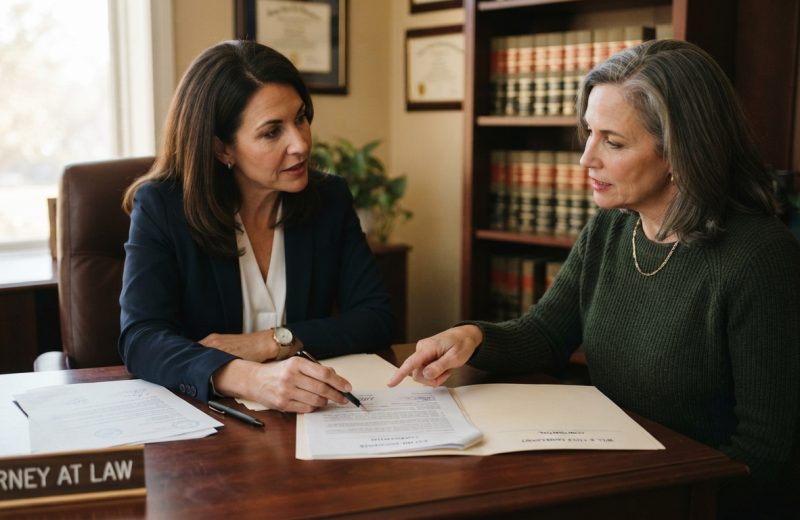
Key takeaway:
- Legal planning after an Alzheimer’s or dementia diagnosis works best when documents are signed while the person still has legal capacity.
- Core documents typically include a durable power of attorney, a health care directive, and an updated will or trust.
- Families in Charlottesville, VA can review elder law planning options before a crisis forces a court-supervised guardianship process.
A direct answer to what families need to know: effective Alzheimer’s planning in Charlottesville centers on completing legal, financial, and care-related documents early, ideally soon after diagnosis, so a trusted person can act on the individual’s behalf without court intervention. Delaying this process risks leaving decisions to a judge rather than family members. Guidance from an elder law practice such as Stapleton Elder Law can clarify which documents matter most and the order in which to complete them.
A cognitive impairment diagnosis changes the legal timeline for a family. Decisions that once seemed routine, such as naming a financial agent or confirming a will, become urgent once memory loss begins affecting judgment and communication.
Why Early Legal Action Matters After a Diagnosis
Capacity to sign legal documents does not disappear the moment a diagnosis is made, but it can decline unpredictably. According to federal guidance on dementia planning, advance directives are legal documents that outline a person’s preferences and apply only when they can no longer make decisions themselves.
- Early signing reduces the chance that a document’s validity gets challenged later.
- A documented capacity assessment at signing can protect the paperwork from future disputes.
- Waiting too long often forces families into guardianship proceedings, which are slower and more expensive than advance planning.
Core Documents Families Should Prioritize
Several categories of legal documents consistently appear across elder law and caregiving resources as foundational for dementia-related planning.
- Durable power of attorney for finances – names someone to manage accounts, pay bills, and handle property when the person cannot.
- Durable power of attorney for health care – names a proxy to make medical decisions on the person’s behalf.
- Advance directive or living will – documents treatment preferences in case of serious illness.
- Will or trust review – confirms that asset distribution instructions reflect current wishes and family circumstances.
| Document | Primary Purpose | Risk If Missing |
| Financial power of attorney | Manage bank accounts, bills, property | Court-appointed conservator may be required |
| Health care power of attorney | Authorize medical decisions | Family may need judicial approval for treatment choices |
| Advance directive | Record treatment preferences | Decisions default to state law or hospital policy |
| Will or trust | Direct asset distribution | Estate may pass through intestacy rules |
Guardianship as a Last Resort
When no power of attorney or health care directive exists and capacity has already declined, a family member may need to petition a court for guardianship or conservatorship. This process typically requires medical evidence, legal filings, and court hearings before a judge grants decision-making authority. Avoiding this path is one of the clearest practical reasons families pursue document preparation soon after diagnosis rather than waiting for a crisis.
Local Considerations for Document Planning
Document requirements and capacity standards can differ by state, which makes location-specific guidance relevant for families organizing paperwork. Based in USA, Stapleton Elder Law serves families across Charlottesville, VA, where residents navigating a new diagnosis often need to understand Virginia-specific signing and witnessing requirements before finalizing documents. Reviewing existing paperwork for gaps, rather than assuming old documents remain adequate, is a practical first step for most families in the area.
Frequently Asked Questions
When should legal planning begin after an Alzheimer’s diagnosis? Planning should start as soon as possible after diagnosis, while the person retains the legal capacity to understand and sign documents.
Can someone with early-stage Alzheimer’s still sign legal documents? Capacity depends on the individual and the specific document; an attorney can assess whether the person understands what they are signing at that time.
What happens if no power of attorney was ever completed? Without one, a family member may need to petition a court for guardianship or conservatorship, which is generally slower and costlier than advance planning.
Does a will replace the need for a power of attorney? No. A will only governs asset distribution after death, while a power of attorney addresses decision-making during the person’s lifetime.
Next Steps for Families
Current availability details for Stapleton Elder Law are published for the local service area.
Navigating a dementia diagnosis involves emotional and logistical decisions that extend well beyond legal paperwork, but having core documents in place gives families a clearer framework for acting on a loved one’s behalf. Reviewing existing documents, understanding state-specific requirements, and acting before capacity declines remain the most consistent recommendations across elder law and caregiving resources.