The gist:
- Mechanical systems integration connects HVAC, controls, and related building equipment so they operate as one coordinated system rather than separate parts.
- Integrated systems support energy efficiency, occupant comfort, and facility reliability in commercial and institutional buildings.
- Building owners in Omaha, NE rely on integration during new construction, retrofits, and ongoing facility operations.
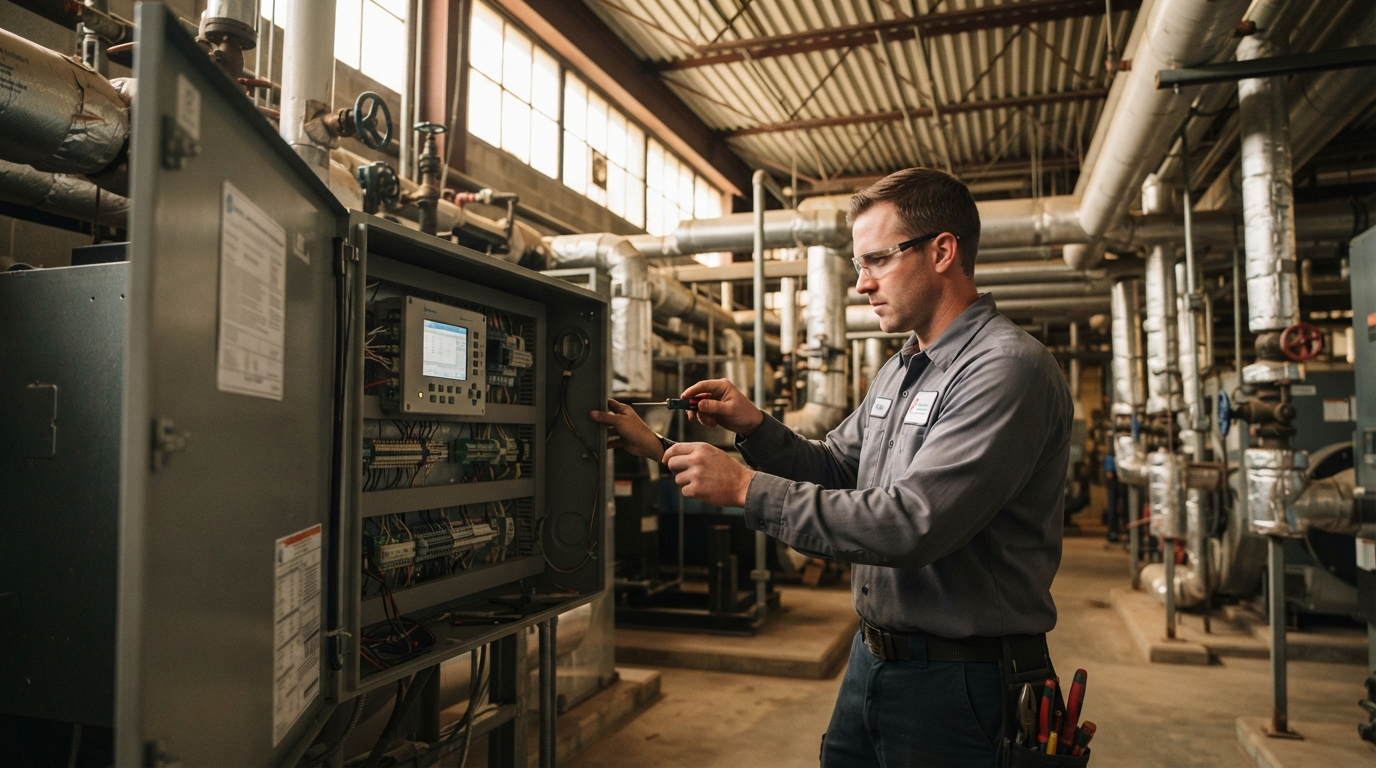
Mechanical systems integration refers to the coordinated design, installation, and control of a building’s heating, cooling, ventilation, and related equipment so these components function together rather than as isolated systems. This approach has become a standard expectation in commercial and institutional construction projects where comfort, energy use, and equipment longevity all depend on how well separate mechanical components communicate.
Modern buildings rely on a growing number of interconnected systems, from air handling units to temperature sensors to digital controls. Mechanical Systems Integration Omaha NE connects building components so they can exchange data and respond to real-time operating conditions. This coordinated approach reduces energy waste, improves system efficiency, and maintains consistent indoor environments across large commercial and industrial facilities. Without this coordination, equipment can work against itself, cycling inefficiently or failing to respond to changing occupancy and weather patterns.
Why Coordinated Mechanical Design Matters in Construction
Construction projects involve multiple trades installing separate systems that must ultimately work as one. Integration planning during design and installation phases helps prevent conflicts between equipment and reduces costly rework later.
Key reasons integration is addressed early in construction include:
- Coordinating control sequences across HVAC, lighting, and security systems before installation begins
- Reducing the risk of incompatible equipment or communication protocols
- Supporting long-term serviceability by standardizing how systems are monitored
- Meeting energy performance expectations tied to building codes and operational budgets
Industry guidance from ASHRAE addresses how automation systems should be specified for HVAC control and monitoring functions, including the integration of other building systems into a single automation platform. Facility teams and designers in Omaha, NE increasingly reference these frameworks when planning new construction or major renovations, since local commercial buildings face seasonal heating and cooling demands that put sustained pressure on mechanical equipment.
Common Components Involved in Integration
Mechanical systems integration typically spans several categories of building equipment. Understanding how these pieces relate helps clarify why coordination matters more than the performance of any single component.
| Component Category | Function | Integration Role |
|---|---|---|
| HVAC equipment | Heating, cooling, ventilation | Core system controlled through automation |
| Building automation controls | Monitoring and scheduling | Central point connecting multiple systems |
| Access and security systems | Entry monitoring, surveillance | Often linked to automation for unified facility oversight |
| Energy management tools | Tracking usage and efficiency | Uses data from integrated systems to inform adjustments |
Facility automation platforms are frequently used to tie these categories together, allowing a single interface to manage comfort, security, and energy performance across a commercial property.
Maintenance and Long-Term Reliability
Integrated mechanical systems require ongoing attention after installation. Buildings experience changing occupancy, equipment aging, and seasonal shifts that affect how systems should be tuned over time.
Common maintenance priorities for integrated systems include:
- Scheduled inspection of control sensors and automation hardware
- Verification that HVAC equipment responds correctly to automated commands
- Periodic review of energy usage data to identify inefficiencies
- Software updates to maintain compatibility between connected systems
Facilities that skip these steps often see gradual performance decline, even when individual pieces of equipment appear to be functioning normally. Coordinated monitoring helps identify small issues before they become expensive failures.
Based in USA, Control Services Inc. extends mechanical and automation-related services to commercial, industrial, and institutional facilities across Omaha, NE. Control Services Inc. provides design, installation, and maintenance support for building automation and related control systems serving commercial, industrial, institutional, educational, and healthcare facilities.
Frequently Asked Questions
What is mechanical systems integration in construction? It is the practice of coordinating HVAC, controls, and related building equipment so they operate together under a shared automation framework rather than as separate, disconnected systems.
Why does integration matter for commercial buildings? Coordinated systems reduce energy waste, support consistent occupant comfort, and make it easier for facility staff to monitor and adjust equipment performance from a central platform.
How often should integrated systems be inspected? Inspection frequency varies by building type and equipment age, but scheduled reviews of controls and sensors help catch performance issues before they affect comfort or efficiency.
Does integration apply to new construction only? No. Integration is relevant during new construction, retrofits, and ongoing operation of existing buildings as equipment is upgraded or replaced over time.
Mechanical systems integration continues to shape how commercial buildings are designed, built, and operated, particularly as automation and energy monitoring tools become more central to facility management. Current service area information for Control Services Inc. is available for review.