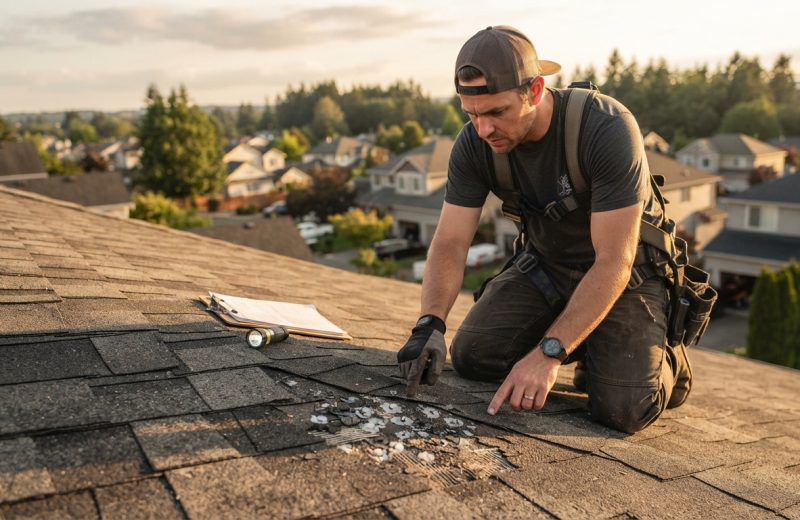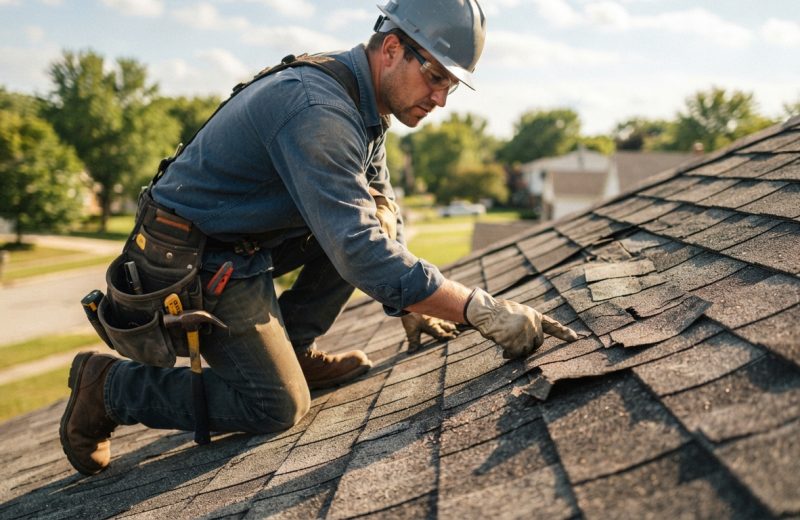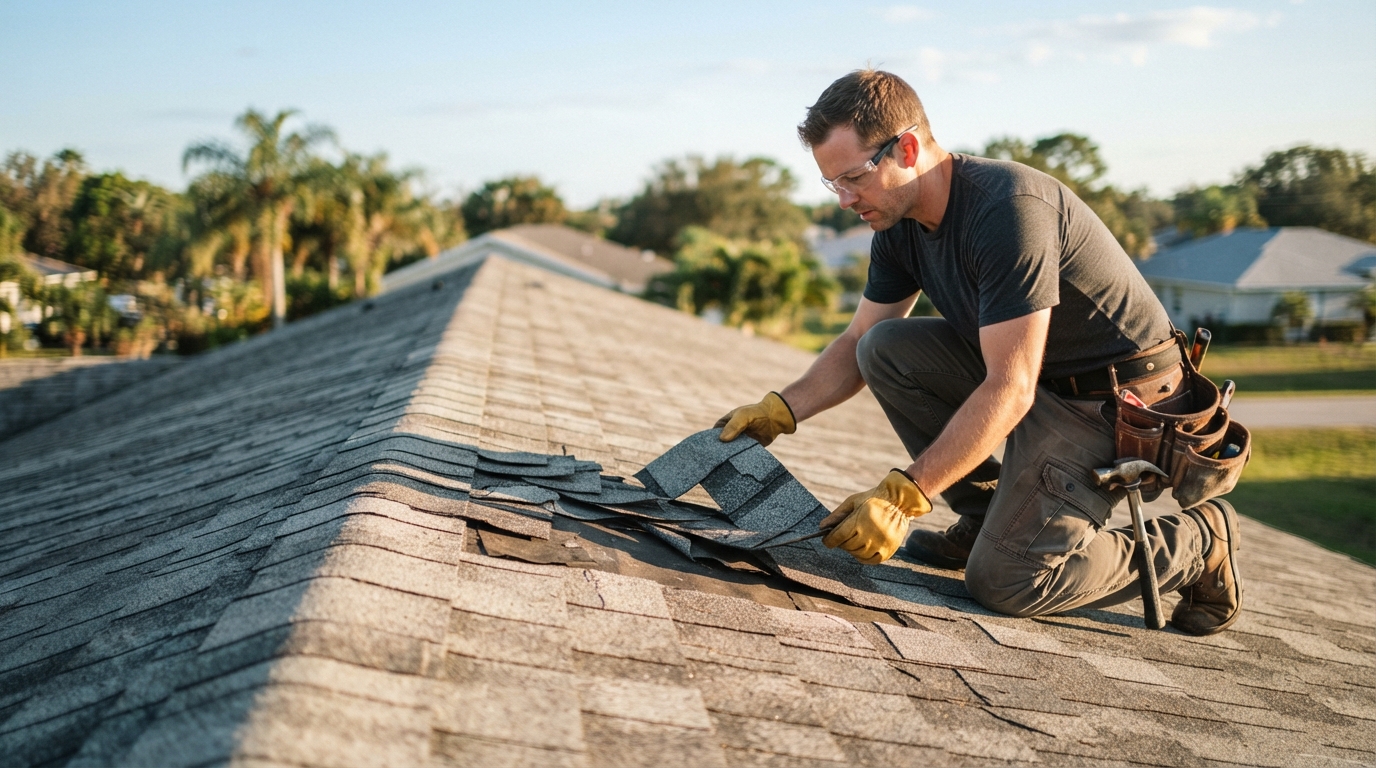
• Missing shingles, granule loss, and ceiling stains are among the most common early signs of roof damage.
• Roof repair addresses isolated issues like leaks and flashing damage, while widespread deterioration may call for replacement.
• Fort Lauderdale, FL homeowners face added risk from wind, humidity, and storm exposure, making routine inspection important.
A damaged roof rarely fails all at once. It usually shows warning signs first, such as curling shingles, granule loss, or water stains on ceilings, and catching these early often means the difference between a simple fix and a costly structural repair.
Homeowners who notice these signs early typically have more options. Roof repair performed promptly can resolve a single damaged section without requiring a full roof replacement, which tends to cost significantly more and takes longer to complete.
Recognizing the Early Warning Signs
Roof damage often starts small and worsens with exposure to sun, humidity, and wind. Spotting these indicators early allows for targeted repairs rather than emergency interventions later.
• Missing, cracked, or curling shingles that expose the underlayment
• Granules collecting in gutters, signaling shingle surface wear
• Water stains or discoloration on interior ceilings and walls
• Sagging rooflines or soft spots felt underfoot in the attic
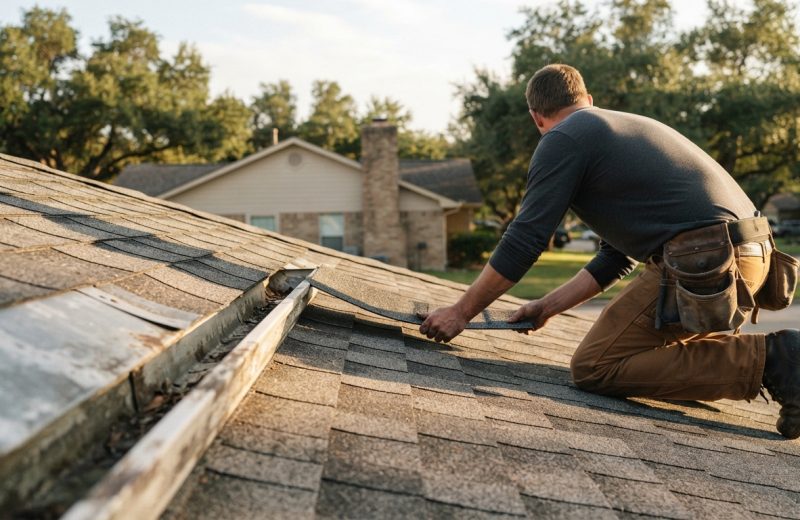
• Damaged or separated flashing around chimneys, vents, and skylights
Any of these signs, especially when they appear after heavy rain or wind events, generally warrants a closer look before the next storm cycle.
Storm Season and Roof Vulnerability in Fort Lauderdale, FL
Coastal properties face unique stress from wind-driven rain, humidity, and seasonal storms. According to FEMA guidance on documenting storm damage, timely documentation and inspection after severe weather are critical steps for homeowners assessing property damage. Wind-driven rain can work through small vulnerabilities in roofing systems, including loosened shingles and compromised flashing, long before an indoor leak becomes visible.
Because Fort Lauderdale, FL sits in an active hurricane corridor, roofs there are more likely to experience:
|
Damage Type |
Common Cause |
Typical Repair Approach |
|
Lifted or missing shingles |
High wind events |
Shingle replacement, resealing |
|
Flashing separation |
Pressure changes during storms |
Flashing resealing or replacement |
|
Standing water on flat roofs |
Clogged drains, debris buildup |
Drainage clearing, surface repair |
|
Interior ceiling stains |
Slow leaks from compromised seals |
Leak tracing and targeted patching |
Repair Versus Replacement: Making the Right Call
Not every damage sign requires a full roof replacement. Isolated issues, such as a cracked tile or a single area of lifted shingles, are usually addressed through targeted repair work.
A roof may need replacement rather than repair when:
1. Damage affects more than 30 percent of the roofing surface.
2. The roofing material has reached or exceeded its expected lifespan.
3. Multiple leaks appear across different areas rather than a single source.
4. Structural decking shows rot or sagging beyond isolated spots.
Homes and commercial buildings across the region rely on licensed contractors familiar with Florida building codes to determine which path applies, since permitting and inspection requirements vary by project scope.
Working With a Local Roofing Contractor
Based in Cooper City, FL, BMG Roofing Inc extends roofing support to properties throughout Fort Lauderdale, FL, covering both residential and commercial buildings. Contractors familiar with regional weather patterns and material performance can help property owners distinguish cosmetic wear from damage requiring prompt attention.
Frequently Asked Questions
How often should a roof be inspected in a storm-prone area? Many roofing professionals recommend an annual inspection, plus an additional check after any major wind or hail event, to catch developing issues before they worsen.
Can small roof leaks be repaired without replacing the whole roof? Yes, in most cases a localized leak traced to a single source, such as a damaged flashing seal or a cracked tile, can be patched without replacing the entire roofing system.
What should be documented before a roof repair begins? Dated photographs of visible damage, both from the ground and inside the attic, support insurance claims and give contractors a clear record of conditions before work starts.
Does homeowners insurance typically cover storm-related roof damage? Coverage varies by policy, but damage from sudden events like wind or hail is often eligible, while gradual wear from age is typically excluded.
Final Thoughts and Next Steps
Addressing roof damage early, rather than waiting for a visible leak, tends to limit repair costs and protect the structure underneath. Property owners who stay attentive to shingle condition, flashing integrity, and interior ceiling signs are better positioned to schedule repairs before minor issues become major ones.
Published details for BMG Roofing Inc. cover licensing information and the roofing service area across the region.