In brief:
• An HVAC repair contractor diagnoses and fixes furnace, air conditioner, and system component issues, and in Indianapolis, IN that work typically requires a local mechanical permit.
• Expect a diagnostic visit, a written estimate, and verification of licensing and insurance before repair work begins.
• Indianapolis uses a three-tier contractor licensing system (Class A, B, D), and EPA refrigerant certification is a federal requirement with no homeowner exemption.
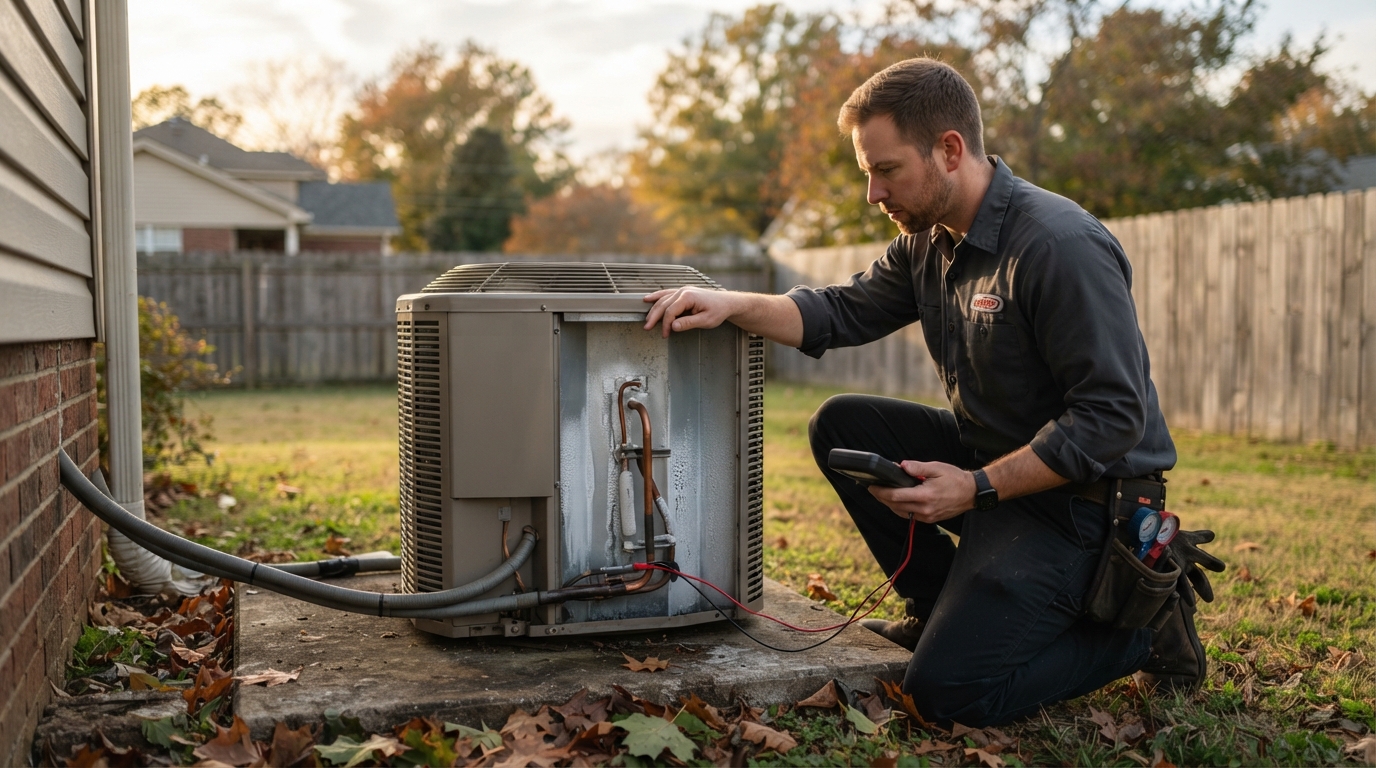
Hiring the right professional starts with knowing what the job actually involves. An HVAC Repair Contractor typically handles diagnosis and repair of furnaces, air conditioners, heat pumps, and the ductwork or electrical components tied to those systems, rather than full replacements alone. Understanding this scope helps homeowners in Indianapolis, IN set realistic expectations for cost, timeline, and the documentation a contractor should provide.
Based in Beech Grove, IN, Preferred Mechanical Services is one of several mechanical contractors serving households throughout the Indianapolis, IN area. Repair work in this region is shaped by local licensing rules that differ from many other states, which affects how contractors are vetted and what paperwork a homeowner should expect to see.
How HVAC Repair Work Is Regulated Locally
Indiana does not issue a statewide HVAC license, leaving licensing decisions to individual cities and counties. In Indianapolis specifically, contractors are licensed through a three-tier system covering sheet metal ductwork, equipment installation and service, and gas piping work, as outlined in this Indianapolis HVAC permit guide.
A few points are worth confirming before work begins:
• Any technician handling refrigerant must hold EPA Section 608 certification, a federal requirement with no homeowner exemption.
• Most mechanical permits in Marion County carry a flat fee for equipment-related work.
• Contractors should be able to produce proof of bonding and liability insurance on request.
These details matter because unlicensed or uninsured repair work can create liability issues later, particularly during a home sale or insurance claim.
What Happens During a Typical Service Call
A repair visit generally follows a predictable sequence, even though the specific diagnosis varies by system and age.
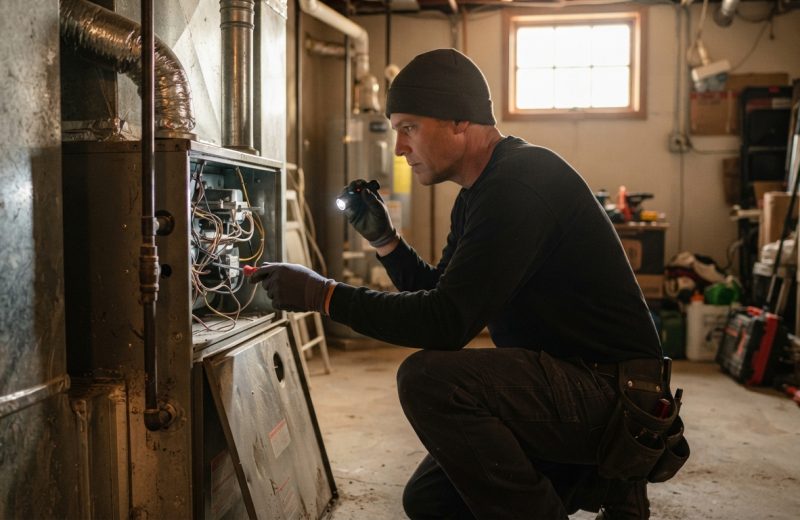
1. Initial diagnostic assessment – the technician inspects the furnace, air conditioner, or related components to identify the failure point.
2. Written estimate – homeowners should receive a breakdown of parts, labor, and any permit fees before work starts.
3. Repair execution – the technician completes the fix, which may include replacing a part, repairing ductwork, or restoring airflow.
4. System test and walkthrough – the unit is run to confirm the repair resolved the issue, and the homeowner is shown what was done.
Common repair categories include airflow restrictions, uneven temperatures between rooms, component failures such as capacitors or igniters, and overall system inefficiency that drives up utility bills.
Comparing Repair Scope, Permits, and Typical Triggers
| Repair Category | Common Trigger | Permit Likely Required |
| Component failure (capacitor, igniter, blower motor) | No heat or no cooling | Usually not, if no equipment swap |
| Ductwork repair or modification | Uneven airflow, energy loss | Often yes, for major changes |
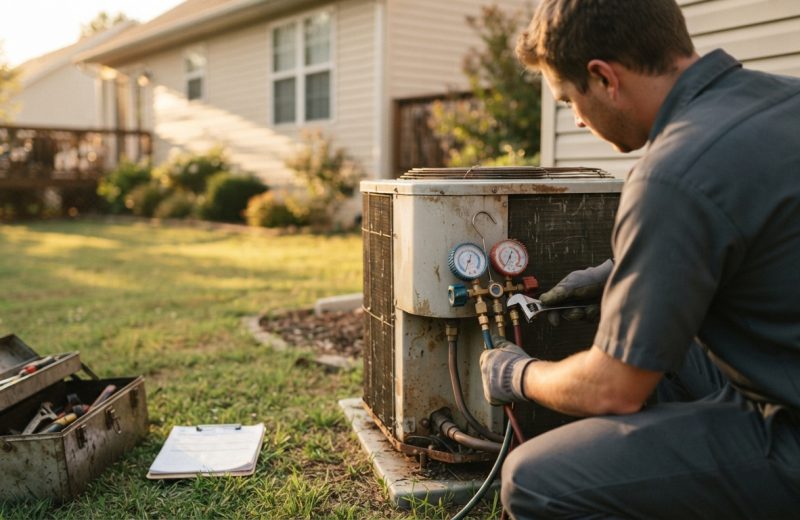
| Refrigerant-related repair | Weak cooling, ice buildup | No permit, but EPA 608 certification required |
| Full equipment replacement | System failure beyond repair | Yes, mechanical permit required |
This table is a general reference; actual permit requirements depend on the scope of work and should be confirmed with the Marion County permitting office.
Questions Homeowners Commonly Ask
How long does a typical HVAC repair take? Most single-component repairs are completed within a few hours, though parts availability or ductwork access can extend the timeline.
Does a repair visit always require a permit? Not always. Minor component repairs that do not involve equipment replacement or major ductwork changes typically do not require a mechanical permit, while larger modifications usually do.
What should be confirmed before scheduling a repair? Confirm that the contractor holds the appropriate Indianapolis HVAC license class, carries liability insurance, and that any technician handling refrigerant has EPA Section 608 certification.
Can homeowners pull their own permit instead of the contractor? In many cases, Indianapolis homeowners can pull a mechanical permit for work on their own residence, though contractors typically handle this step as part of standard service.
Where to Find Published Service Details
A brief, factual closing note on service availability helps readers confirm basic details without redirecting them toward promotional content. Current service area information for Preferred Mechanical Services is published for reference by homeowners researching local HVAC repair options.