Bottom line:
- Metal recycling converts scrap steel, aluminum, copper, and other metals into reusable raw material through collection, sorting, processing, and melting.
- Ferrous and non-ferrous scrap, including vehicles and appliances, follow different sorting and processing paths before reaching a mill or foundry.
- Readers in Bronx, NY can prepare scrap for drop-off or pickup by separating metal types and removing hazardous components first.
Metal recycling is the process of collecting discarded metal items, sorting them by type, and processing them into material that manufacturers can melt down and reuse. The process typically moves through four stages: collection, sorting, shredding or baling, and melting at a mill or foundry.
Metal Recycling relies on accurately separating ferrous metals (those containing iron, such as steel) from non-ferrous metals (aluminum, copper, brass) because each category requires different processing equipment and commands different scrap values. Facilities that handle both residential drop-offs and commercial pickups generally sort materials onsite before any shredding takes place.
How the Sorting and Processing Stages Work
Once scrap arrives at a yard, workers and machinery separate materials using a combination of visual inspection, magnets, and density-based equipment.
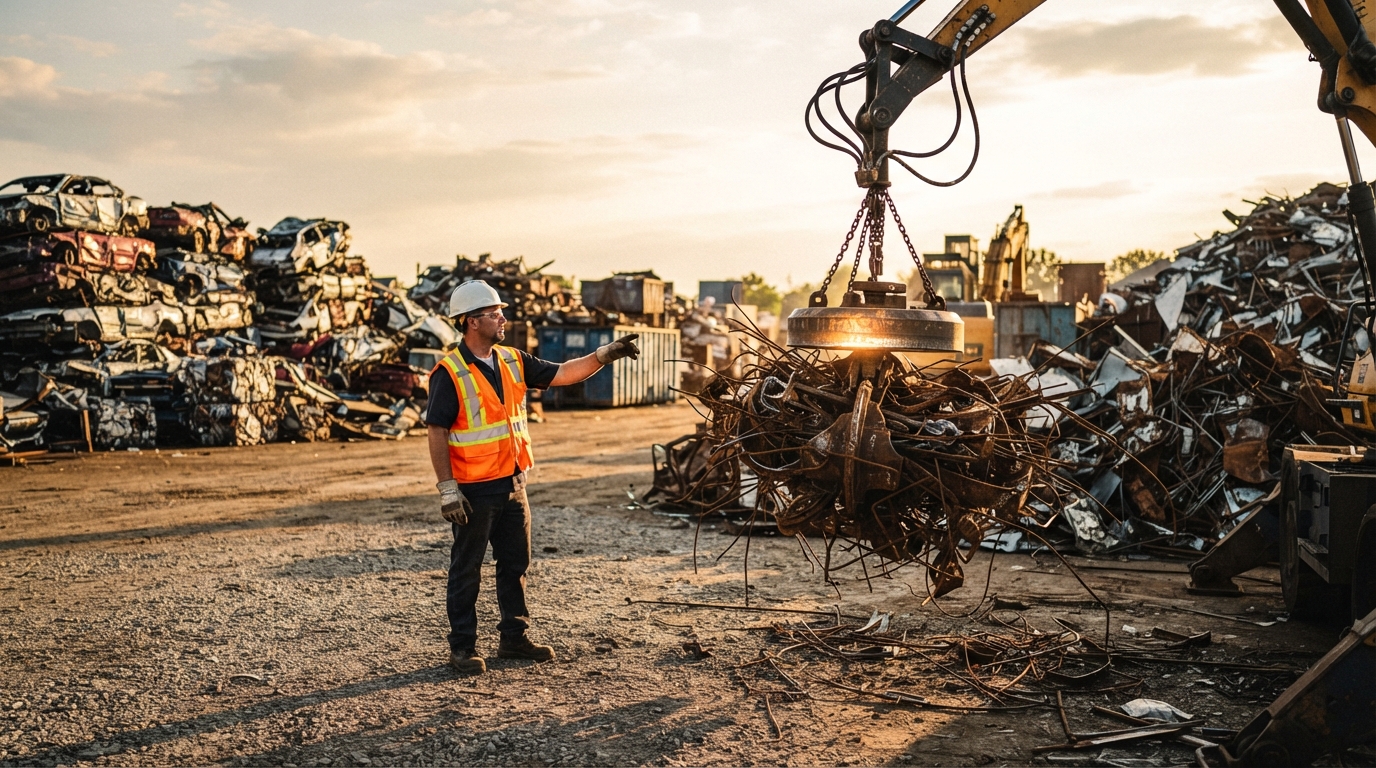
- Ferrous metals (steel, iron) are pulled using strong magnets.
- Non-ferrous metals (aluminum, copper, brass) are separated through eddy current separators or manual sorting.
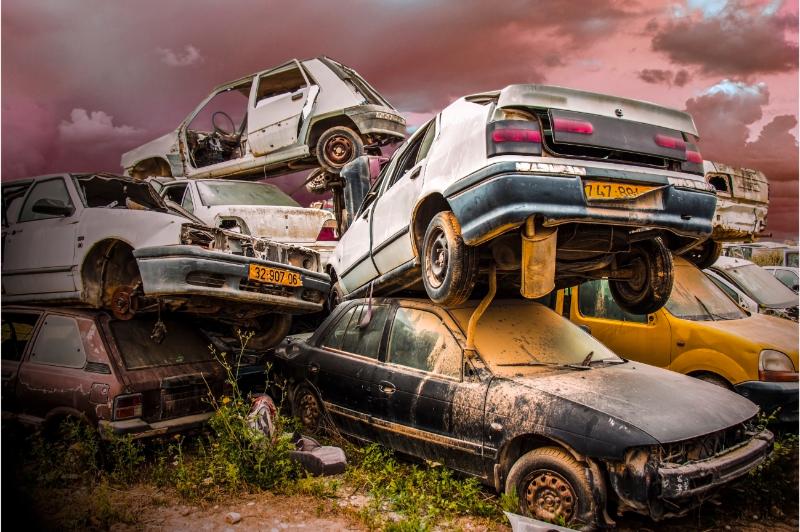
- Vehicles are drained of fluids and stripped of batteries before crushing.
- Catalytic converters often follow a separate valuation path, either sold per piece or sent for assay and refining.
After sorting, ferrous scrap is typically shredded into smaller, uniform pieces, which makes melting more efficient at a steel mill. Non-ferrous metals may be baled or granulated depending on the end buyer’s specifications.
Why Proper Separation Matters for Scrap Value
Mixed or contaminated loads reduce the price a yard can pay because mills penalize impurities.
| Metal Type | Common Sources | Typical Handling |
| Ferrous (steel, iron) | Appliances, structural steel, car bodies | Magnet separation, shredding |
| Non-ferrous (aluminum, copper, brass) | Wiring, radiators, cans | Eddy current separation, baling |
| Vehicles | Junk cars, wrecked autos | Fluid draining, crushing, shredding |
| Catalytic converters | Vehicle exhaust systems | Per-piece sale or assay/refining |
The Clean Air Act governs emissions from large commercial shredders because the heat generated during shredding can vaporize residual fuels and other non-metal materials. Facilities that process heavy scrap, including steel and automobiles, must manage these emissions under federal oversight.
Environmental and Regulatory Context for Bronx, NY Residents
Scrap metal is treated differently from household trash under federal rules, provided it moves through legitimate recycling rather than disposal. For residents in Bronx, NY, this distinction matters when deciding how to dispose of old appliances, wiring, or vehicle parts rather than placing them in regular waste streams.
- Metal collected through recycling programs counts separately from landfill-bound waste.
- Facilities handling scrap are subject to stormwater regulations under the Clean Water Act because yards often operate partially outdoors.
- Hazardous components such as batteries and AC compressors typically require separate handling from general scrap metal.
Residents preparing items for recycling can reduce processing delays by removing batteries, fluids, and non-metal attachments before transport. Based in Trenton, NJ, Alpha Shredding Group extends its scrap metal and vehicle recycling services to customers across Bronx, NY.
Frequently Asked Questions
What types of metal can typically be recycled? Most ferrous metals (steel, iron) and non-ferrous metals (aluminum, copper, brass) can be recycled, along with vehicle components and catalytic converters, depending on what a given facility accepts.
Do I need to separate metals before drop-off? Pre-sorting ferrous from non-ferrous materials, and removing batteries or fluids, generally speeds up processing and can affect the value a yard offers.
Are junk cars handled differently than loose scrap? Yes. Vehicles usually go through fluid draining and battery removal before crushing or shredding, which differs from the sorting process used for loose metal items.
Is scrap metal recycling regulated by environmental agencies? Yes. Scrap metal recycling facilities operate under federal rules, including air and water regulations, as long as the material is processed through legitimate recycling rather than disposal.
Business Info
Alpha Shredding Group, Inc operates a scrap metal and vehicle recycling yard that accepts ferrous and non-ferrous materials as well as catalytic converters.
Current operating details and intake information for Alpha Shredding Group, Inc are published online for reference before arranging drop-off or pickup.