• Unusual noises, leaks, or appliances that will not start often point to worn seals, clogged components, or failing motors rather than a need for full replacement.
• Appliance repair addresses most common household breakdowns through diagnosis and targeted part replacement, often extending appliance life by years.
• Routine maintenance, such as cleaning coils and checking door seals, reduces the frequency of major repairs.
A refrigerator that hums louder than usual, a washer that stalls mid-cycle, or an oven that will not hold temperature are rarely signs that an appliance needs to be thrown out. In most cases, these symptoms trace back to a specific, fixable part failure. Appliance Repair typically resolves these issues through diagnostic testing that isolates the failing component before any parts are replaced.
Appliances in homes throughout Roscoe, IL wear down from daily use, hard water and seasonal temperature swings that affect door seals and motors. Understanding what a specific symptom usually means can help homeowners decide whether a quick fix is realistic or whether a larger repair is ahead. To get an appliance checked locally, Visit LT Appliance Repair Services.
What Common Symptoms Usually Indicate
Most appliance complaints fall into a handful of recognizable patterns. Recognizing them early can prevent a small issue from turning into a complete breakdown.
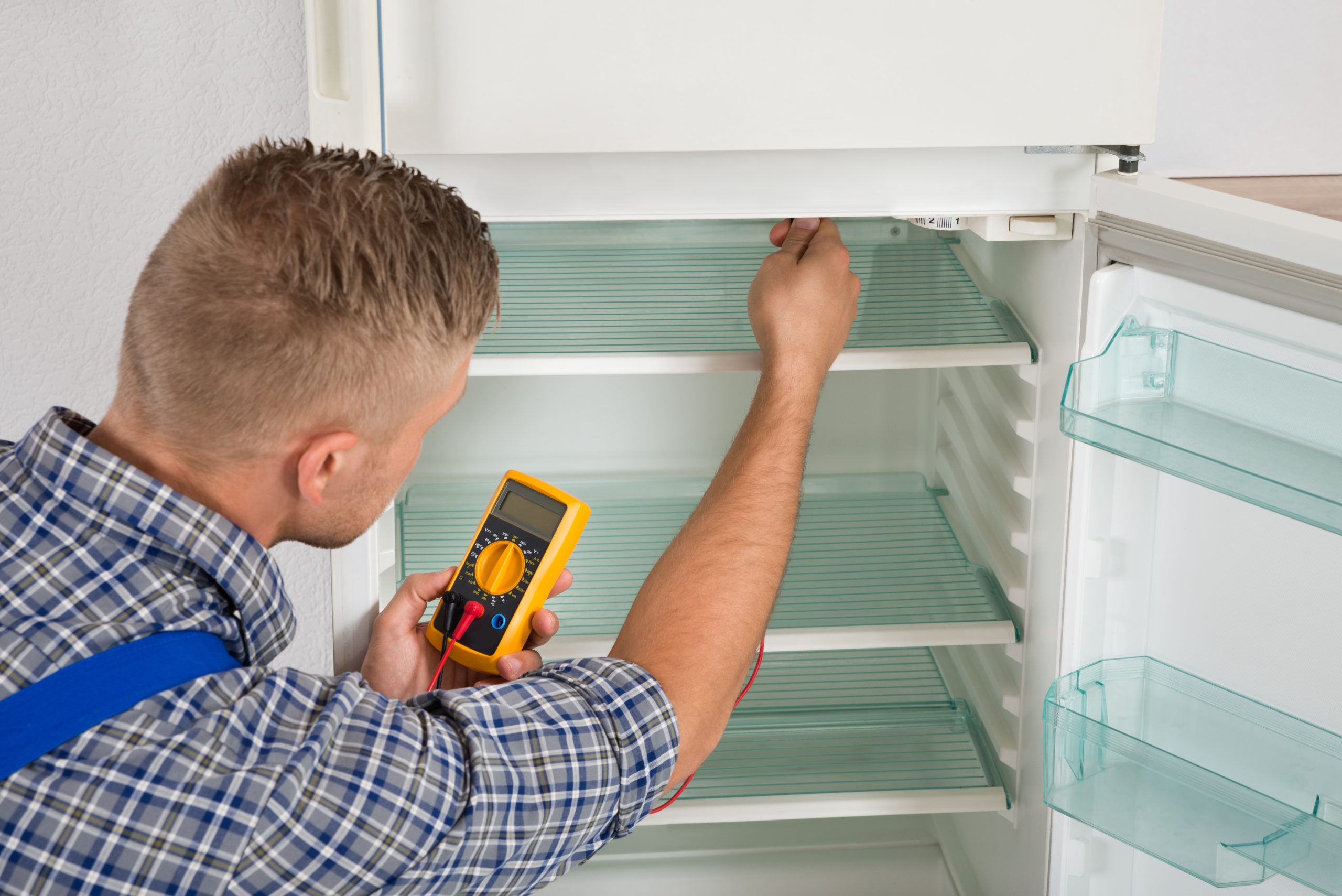
• Refrigerator not cooling : Often linked to dirty condenser coils, a failing compressor, or a worn door gasket that lets cold air escape.
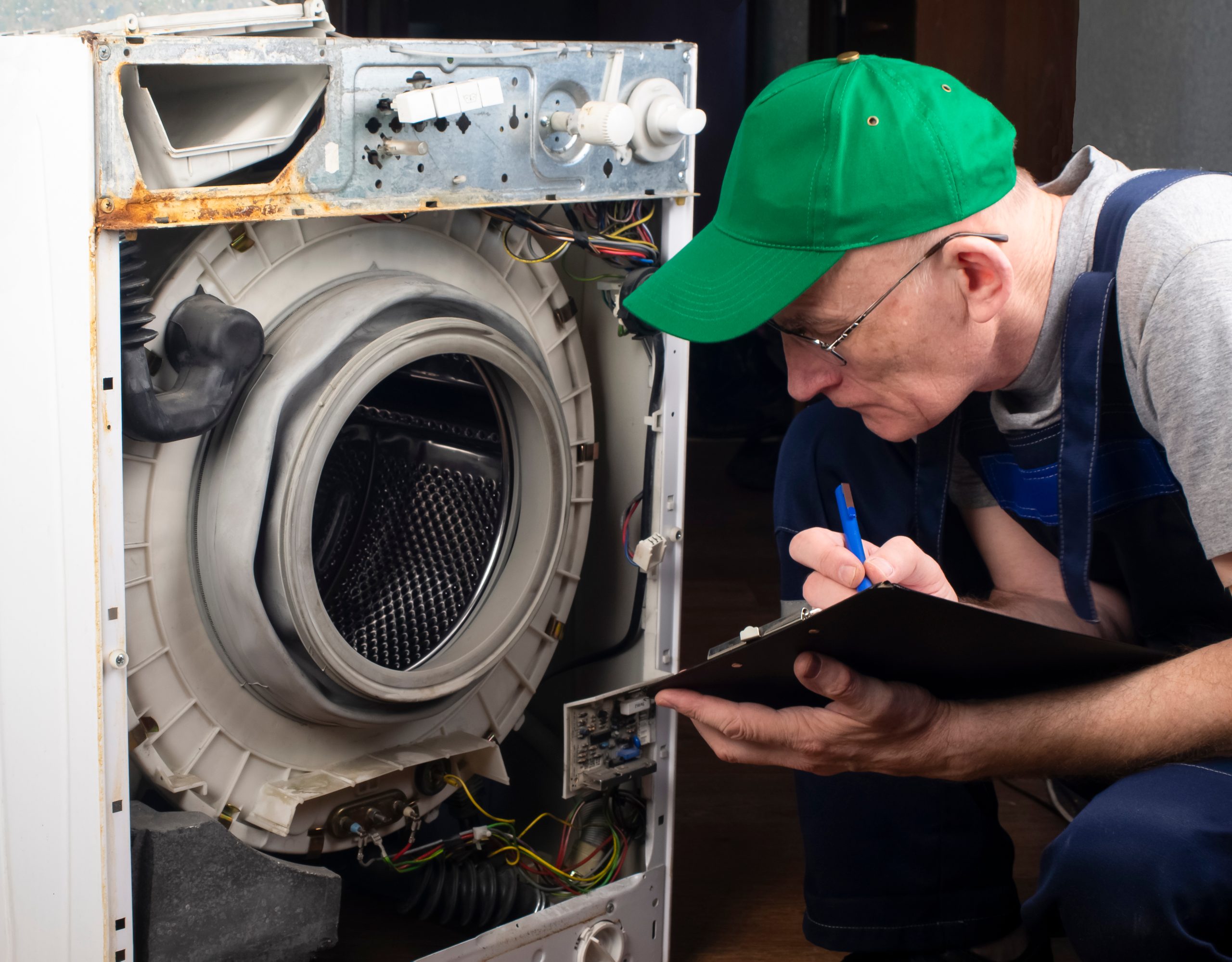
• Washer won’t drain or spin : Usually caused by a clogged drain pump, broken belt, or a lid switch that is not engaging properly.
• Oven won’t hold temperature : Frequently traced to a faulty igniter, heating element, or temperature sensor.
• Dishwasher leaving dishes wet or dirty : Commonly tied to a clogged spray arm, worn door seal, or malfunctioning heating element.
• Ice maker not producing ice : Often the result of a frozen water line, faulty water inlet valve, or a failing thermostat.
Each of these symptoms has a distinct mechanical cause, which is why an accurate diagnosis matters more than guessing at a fix.
Why Maintenance Reduces Repair Frequency
Regular upkeep extends the working life of major appliances and lowers the odds of a sudden breakdown. The U.S. department of energy notes that refrigerator compartments should be kept between 36°F and 40°F for both food safety and efficient operation.
Simple habits homeowners can adopt include:
1. Cleaning refrigerator condenser coils periodically to prevent compressor strain.
2. Checking door seals on refrigerators and ovens for gaps that let air escape.
3. Clearing lint from dryer vents to reduce fire risk and improve drying times.
4. Running the garbage disposal with cold water to prevent motor jams.
These steps do not eliminate every repair need, but they reduce how often major components fail prematurely.
Repair, Maintain, or Replace: A Quick Comparison
| Situation | Typical Action | What It Addresses |
| Appliance under 8 years old with a single failed part | Repair | Targeted component replacement, often cost-effective |
| Appliance running inefficiently but functional | Maintenance | Coil cleaning, seal checks, drain clearing |
| Appliance over 10-12 years old with multiple failures | Replace | Repeated breakdowns often outweigh repair cost |
| New or unusual noise with no other symptoms | Diagnosis first | Confirms whether repair or monitoring is needed |
This table reflects general industry patterns rather than a fixed rule, since the right decision depends on the specific appliance and the extent of the damage.
Business Info
Operating from a base in USA, Find LT Appliance Repair Services on Google Maps serves households across Roscoe, IL within a defined service radius centered on the Rockford, IL area. The business is veteran-owned and works on major household appliances including refrigerators, ovens, washers, dryers, dishwashers, freezers, ice makers, microwaves, and garbage disposals.
Frequently Asked Questions
Is it normal for appliances to make noise when they are working correctly? Some operational sound is normal, but grinding, buzzing, or rattling noises usually indicate a worn belt, bearing, or motor component that should be checked.
How often should major appliances be inspected? A general guideline is an annual check for refrigerators and dishwashers, since door seals and drain lines tend to wear gradually over that time frame.
Does a repair always cost less than replacing an appliance? Not always. Repair is typically more economical for appliances under eight years old with a single failed part, while older units with recurring issues may cost more to repair than replace over time.
Can homeowners prevent most appliance breakdowns? Many breakdowns are reduced, though not eliminated, through routine maintenance such as coil cleaning, seal inspection, and keeping vents clear of debris.
Final Notes
A broken appliance rarely means the end of its usable life. Most common symptoms, from a refrigerator that runs warm to a dishwasher that leaves dishes dirty, point to a specific component that can often be diagnosed and repaired rather than replaced outright.
Current listings for Find LT Appliance Repair Services on Google Maps include information relevant to the service area.