Quick take:
• Contract farming software centralizes farmer agreements, input tracking, and harvest data on one digital platform.
• It replaces paper-based and spreadsheet systems that create delays, errors, and limited visibility into field activity.
• Agribusinesses in the USA use these platforms to manage compliance, payments, and supply chain traceability at scale.
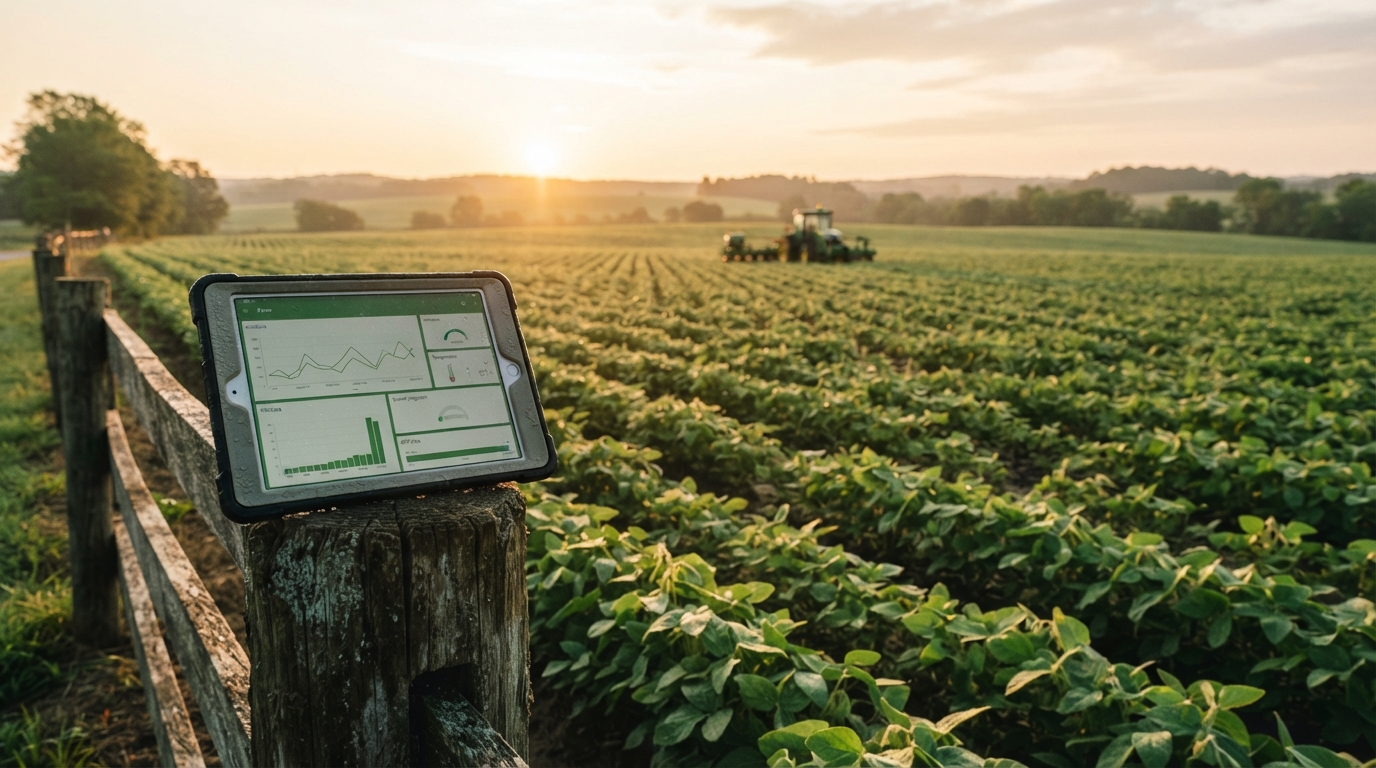
Contract farming software is a digital platform that helps agribusinesses create, track and manage agreements with growers, while recording inputs, field activity and harvest data in one connected system. It gives companies a structured way to coordinate with farmers before a crop is even planted, replacing fragmented paper records with centralized, searchable data. To see how one platform handles this, Visit SourceTrace.
Contract Farming Software has become more relevant as supply chains face growing pressure to document sourcing, verify compliance, and reduce the administrative burden of managing large farmer networks. Agribusinesses that once relied on spreadsheets or phone calls to track grower agreements are shifting toward platforms that log every transaction in real time, from input distribution to final delivery.
SourceTrace is an example of a company offering farm management tools designed to meet this need, with modules covering farmer onboarding, contract management, and production tracking for agribusinesses operating across global supply chains.
What Contract Farming Software Actually Does
Contract farming programs involve coordinating thousands of individual growers, each with separate land records, crop plans, and delivery schedules. Manual systems struggle to keep pace, which is why digital platforms have taken over core administrative functions.
Typical capabilities include:
• Farmer registration and profiles – land records, crop history, and identification stored in one database
• Digital agreements – contract terms, pricing, and delivery obligations tracked electronically rather than on paper
• Input distribution tracking – seeds, fertilizers, and other supplies logged as they move from warehouse to farm
• Harvest and production monitoring – field-level data captured as crops are grown, monitored, and delivered
Managing farmer information is one of the most important aspects of contract farming, and digital platforms allow organizations to maintain comprehensive farmer profiles that include land records, crop history, contract details, and identification documents. This centralized approach reduces the duplication and lost paperwork common in manual onboarding.
Why Agribusinesses Are Adopting These Systems
The shift toward digital contract management is driven by practical operating pressures rather than novelty. Contract farming gives agribusinesses a structured way to work with farmers before a crop is harvested, improving supply planning, quality control, farmer support, and procurement visibility, but managing thousands of contracted farmers through spreadsheets, paper agreements, and disconnected systems quickly becomes difficult.
Three recurring challenges push companies toward software-based solutions:
1. Data inaccuracy. Traditional contract farming programs often rely on manual record-keeping, spreadsheets, and paper-based processes, which can lead to data inaccuracies, delayed reporting, and limited visibility into field activities.
2. Compliance demands. Export markets and buyers increasingly require documented sourcing and sustainability records, which paper trails cannot easily support.
3. Scale. As farmer networks grow into the thousands, manual coordination becomes a bottleneck for procurement timing and quality control.
Federal agencies face similar data challenges. The USDA’s own data modernization plan was introduced to reduce reporting burdens on producers and improve the timeliness and accuracy of the agricultural data that guides decisions across the sector, reflecting a broader push toward structured digital recordkeeping in agriculture nationwide.
Core Features Compared
| Feature | Manual/Paper Process | Contract Farming Software |
| Farmer records | Scattered paper files | Centralized digital database |
| Contract tracking | Manual filing, hard to search | Searchable repository with version control |
| Input distribution | Tracked by hand or phone calls | Logged automatically against farmer records |
| Compliance reporting | Assembled manually for audits | Generated from existing recorded data |
This structure matters for agribusinesses operating in the USA that source from distributed grower networks and must document practices for buyers or regulators.
Frequently Asked Questions
What is contract farming software used for? It is a specialized digital platform that helps agribusinesses create, manage, and track agreements between farmers, buyers, and supply chain partners, centralizing contracts, automating workflows, and providing real-time visibility into obligations, pricing, and deliveries.
Does this type of software replace farm advisory services? No. It typically works alongside advisory programs by giving field staff and extension workers a shared data source for farmer profiles, crop plans, and input tracking.
Is contract farming software only for large agribusinesses? No. Platforms are generally built to scale from small cooperatives to large enterprise operations, since the underlying need to track farmer data and agreements applies at any size.
How does this software support compliance? As food safety regulations and sustainability requirements increase across global supply chains, digital systems create detailed records of inputs, practices, and harvests that can be referenced during audits or buyer reviews.
Business Information
SourceTrace is a farm management technology provider offering digital tools for contract farming, data management, and traceability for agribusinesses operating in the USA and other markets.
Published location details for Find SourceTrace on Google Maps are available for reference by agribusinesses researching farm management technology providers.