Summary first:
• Modern artificial grass is not automatically hotter, less safe, or lower quality than older versions homeowners may remember.
• Drainage, infill choice, and installation method affect performance far more than the material itself.
• Independent research from 2025 offers updated context on heat and safety questions that often fuel misconceptions.
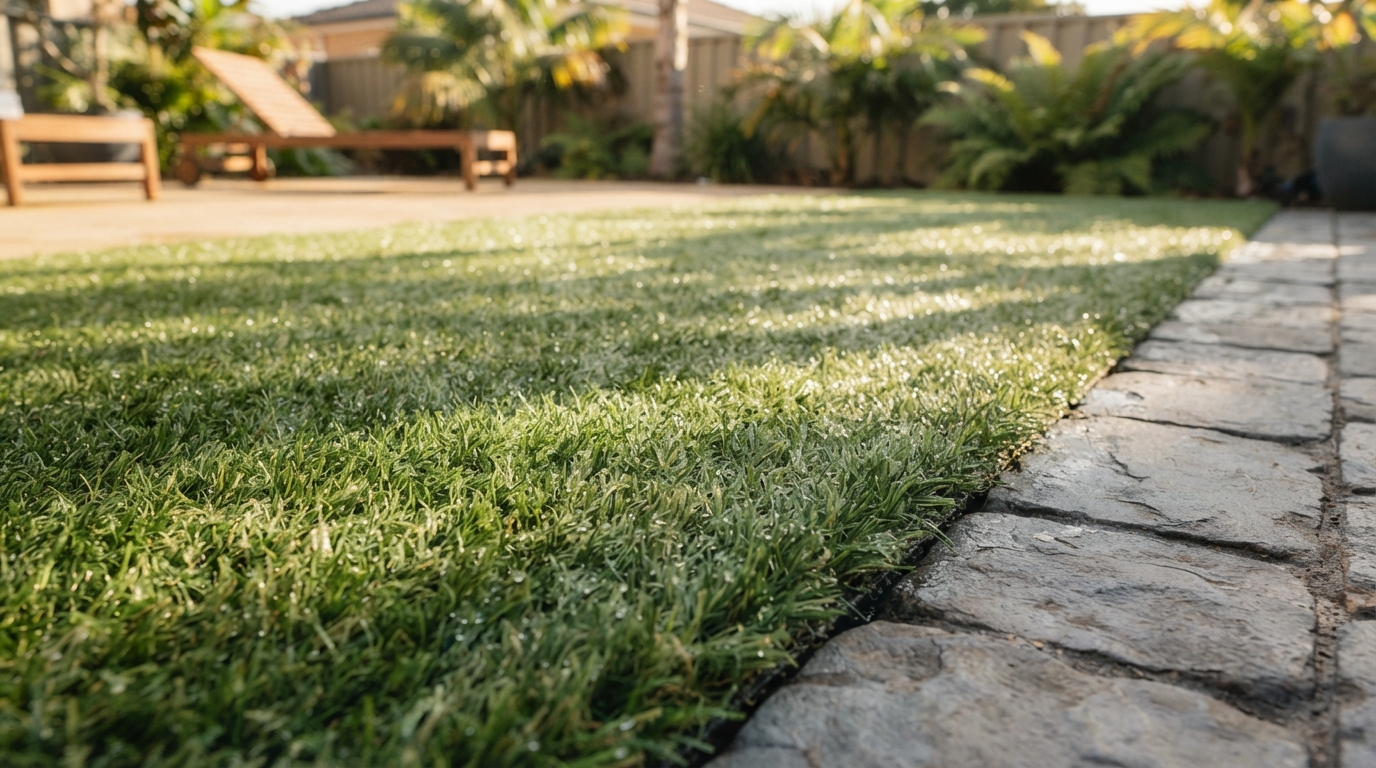
Artificial grass today performs differently than the stiff, plastic-looking turf many homeowners picture, and most common complaints trace back to installation quality rather than the material itself. Homeowners in Naples, FL researching synthetic lawns often encounter outdated claims that do not reflect current products or installation standards.
Many of these myths started decades ago, when early synthetic turf products had limited color variation, poor drainage, and shorter lifespans. Artificial Grass manufacturing has changed substantially since then, with multi-tone fiber blends, improved backing materials, and drainage systems designed for heavy rain regions. Understanding what has actually changed helps separate outdated assumptions from current facts.
Myth: Artificial Grass Always Feels Unnaturally Hot
Heat retention is a legitimate consideration, not a myth to dismiss outright, but the degree varies widely by product and installation.
• Darker fiber colors and certain infill types absorb more heat than lighter blends or infill alternatives.
• Research published in the journal found that synthetic turf surface temperatures can range significantly higher than natural grass depending on fiber type and infill material, with some shock pads reaching notably higher readings than the turf surface itself.
• Proper infill selection, shade placement, and periodic rinsing reduce surface temperature on residential lawns, though they do not eliminate the effect entirely.
Homeowners in warm climates like Naples, FL should treat heat as a design factor, not a reason to assume every synthetic lawn performs identically.
Myth: Synthetic Lawns Are Unsafe for Children and Pets
Safety concerns about synthetic turf usually stem from older studies on sports fields using crumb rubber infill, not residential lawn products.
• The California Office of Environmental Health Hazard Assessment released a final report on synthetic turf health risks in 2025, concluding the study found no significant health risks to users from on-field or off-field exposure to crumb rubber infill chemicals.
• Residential installations often use alternative infill options, such as silica sand or organic infill, rather than recycled rubber.
• Regular cleaning and proper drainage reduce bacteria buildup from pet waste, which is a maintenance issue rather than a flaw unique to artificial turf.
Reviewing infill type before installation remains a reasonable step for households with young children or pets who spend significant time outdoors.
Myth: Installation Is a Simple DIY Weekend Project
Base preparation, not the turf itself, determines how a synthetic lawn performs over time.
|
Installation Factor |
Why It Matters |
|
Base grading and compaction |
Prevents pooling, shifting, and uneven surfaces |
|
Drainage layer |
Reduces standing water during heavy rainfall |
|
Seam and edge finishing |
Prevents lifting, gaps, or visible seams |
|
Infill distribution |
Affects texture, drainage, and heat behavior |
• Poor grading is one of the most common causes of drainage complaints homeowners later attribute to the turf material.
• Edge and seam work requires precise cutting and secure fastening to avoid visible lines or lifting over time.
• Base compaction standards vary by soil type, which matters in Naples, FL where sandy soil and seasonal rainfall both affect drainage performance.
Myth: All Artificial Grass Looks and Performs the Same
Fiber shape, density, and backing construction vary considerably between product lines, which affects appearance, durability, and drainage.
1. Pile height and yarn shape influence how natural the lawn looks from different angles.
2. Backing material affects drainage speed and how the product handles heavy foot traffic.
3. Density and weight per square yard relate directly to how long a lawn maintains its appearance.
Comparing specifications rather than relying on general assumptions gives a clearer picture of expected performance.
Frequently Asked Questions
Does artificial grass require any maintenance at all? Routine rinsing, occasional brushing to keep fibers upright, and debris removal are still necessary, even though mowing and fertilizing are eliminated.
Can synthetic turf handle heavy rainfall? Properly graded installations with adequate drainage layers are designed to manage heavy rain, which is relevant for homeowners in Naples, FL during wet seasons.
Is synthetic turf more expensive than maintaining natural grass long-term? Upfront costs are higher than seeding or sodding, though ongoing water, mowing, and fertilizer expenses are reduced over time.
Will artificial grass fade quickly in intense sun? UV-stabilized fibers are built to resist fading, though product quality varies, making material specifications worth reviewing before purchase.
Learn More About Tropical Turf serves the surrounding region, including Naples, FL, where sandy soil conditions and seasonal rainfall patterns make drainage-focused installation particularly relevant.
Where to Find More Information
Published details for Learn More About Tropical Turf cover product specifications and installation considerations relevant to South Florida properties.