Key takeaway:
• Private dining works best when guest count, space layout, and menu planning are decided early
• Partial or full-space buyouts allow hosts to match privacy level to group size
• Dedicated staffing and customizable food and drink menus help tailor the event to the occasion
Planning a private dining event means deciding on guest count, space layout, and menu details before booking a venue, since these choices determine whether a partial buyout or full-space rental makes more sense. Getting these basics right early reduces last-minute scrambling and helps the venue staff prepare appropriately.
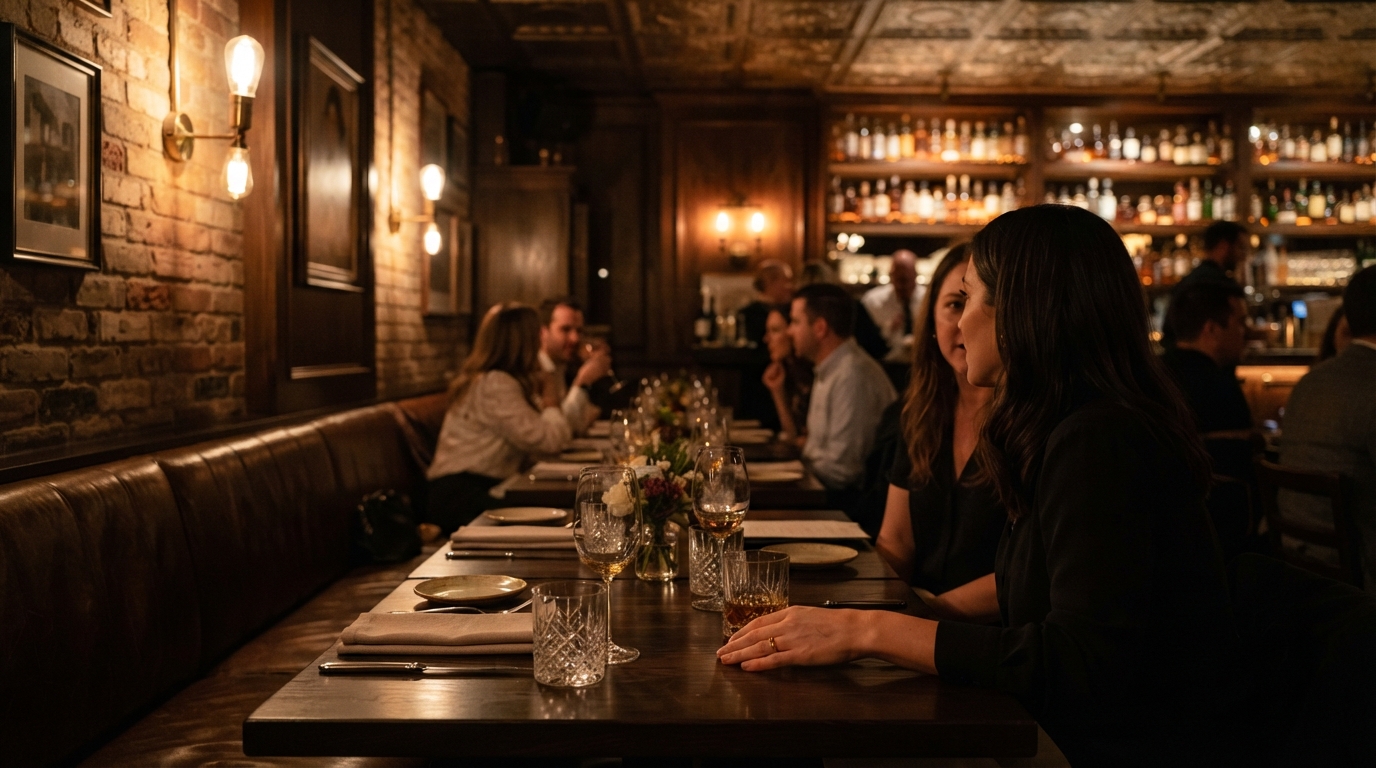
Anyone searching for private dining at Analogue is typically weighing a few practical factors: how many guests will attend, what kind of atmosphere fits the occasion, and whether the space can handle food, drinks, and conversation comfortably. A West Village cocktail and whiskey bar in Greenwich Village, Analogue has built its private event offering around flexible buyout options rather than a one-size-fits-all package, which matters for hosts planning anything from a small rehearsal dinner to a larger corporate gathering.
Matching Group Size to the Right Space
The first planning decision is almost always guest count, since it dictates which part of a venue makes sense to reserve. A private party venue reserved through partial or complete buyout lets hosts select the level of space and privacy their gathering requires. This flexibility is useful because:
• Smaller groups can use a partial buyout for a more intimate, enclosed feel
• Larger groups can take advantage of a full-space rental for standing receptions or seated dinners
• The venue can accommodate up to 200 guests with a full buyout, according to a Village Alliance venue guide published in 2025
Because occupancy limits in New York City are governed by fire and building codes, hosts planning any gathering of size should understand how capacity rules work. Assembly spaces with an occupant load of less than 75 persons are generally classified as Group B Business occupancies, while New York City requires a Place of Assembly Certificate of Operation when 75 or more people gather indoors, per the NYC Department of Buildings. This is a useful backdrop for understanding why venues structure buyouts the way they do.
Building a Menu and Beverage Plan Around the Occasion
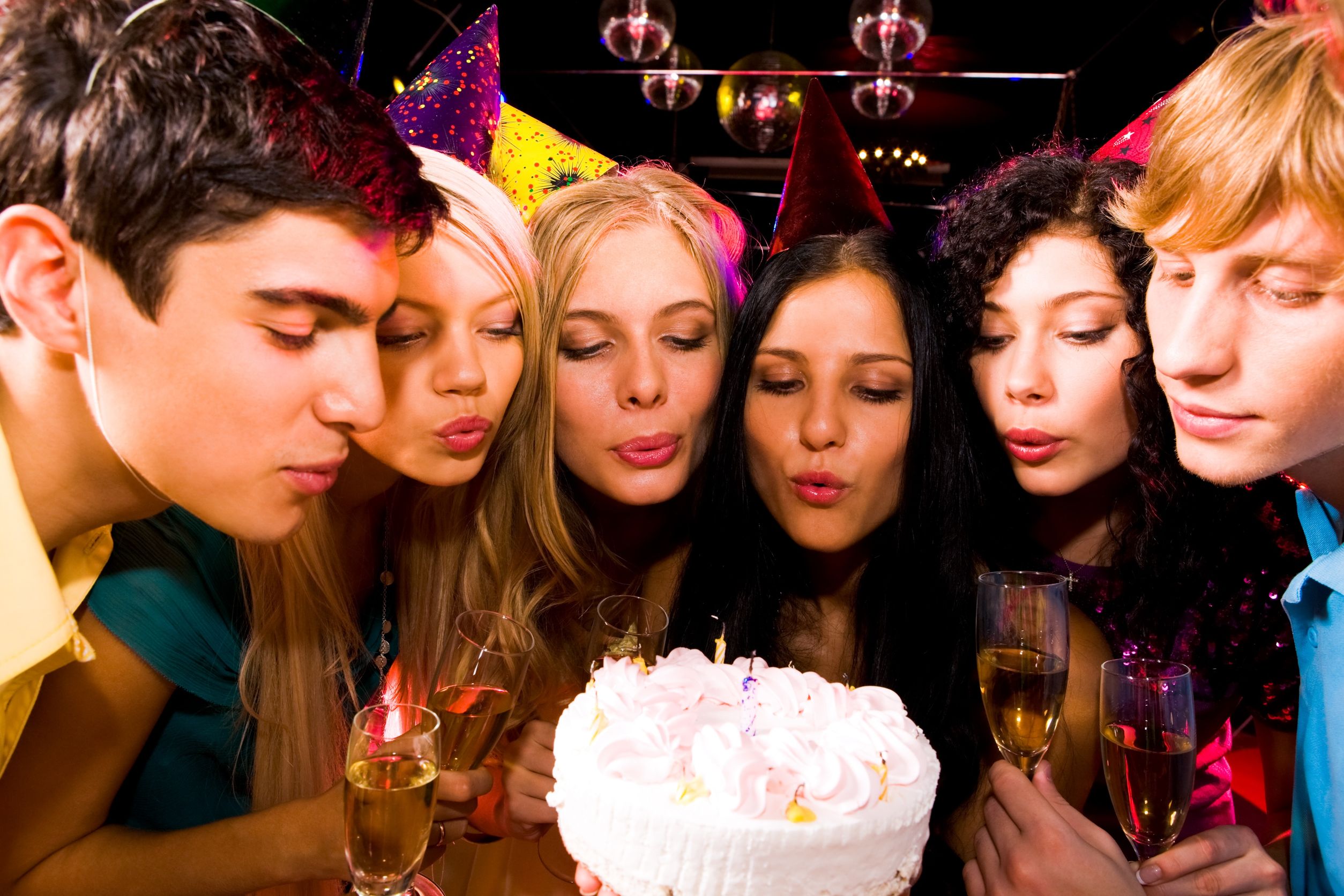
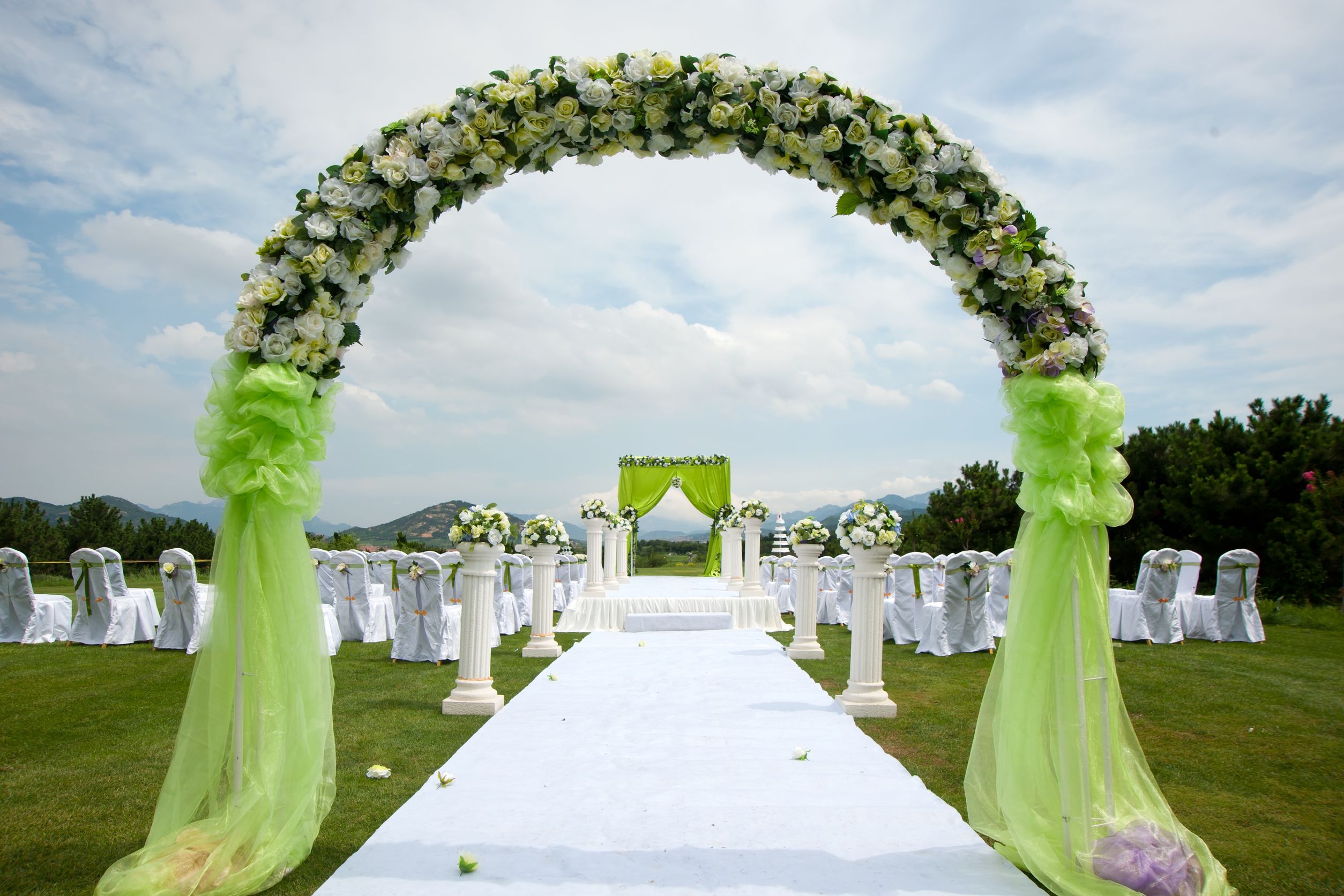
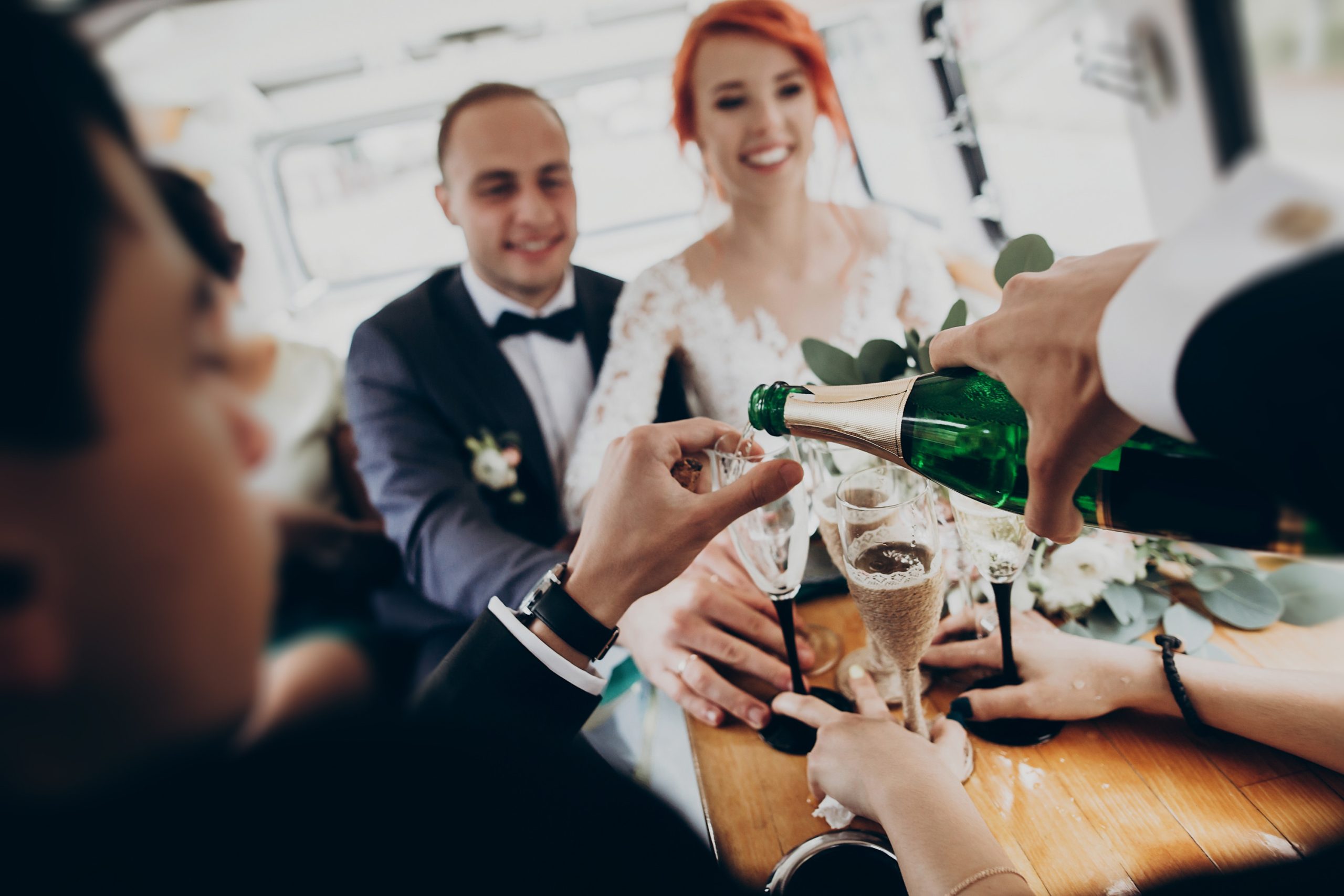
Food and drink selection shapes the tone of a private dining event as much as the room itself. Dedicated staffing, a large and customizable selection of food and drink, and an elegant backdrop support events such as birthday parties, engagement parties, rehearsal dinners, holiday parties, corporate gatherings, and photo shoots during the day or evening.
A few practical steps help hosts align the menu with their event:
1. Decide whether the event calls for passed small bites, a seated multi-course dinner, or a mix of both
2. Confirm cocktail and whiskey preferences in advance, especially for groups with varied tastes
3. Discuss dietary needs with staff ahead of the event date rather than day-of
Comparing Buyout Options
|
Buyout Type |
Best For |
Privacy Level |
|
Partial Buyout |
Smaller gatherings, intimate dinners |
Moderate, shared space possible |
|
Full Space Buyout |
Larger parties, corporate events, weddings |
Highest, entire venue reserved |
|
Back Room Reservation |
Casual private dining, small celebrations |
Dedicated bar and bartender for the group |
Hosts can reserve the back room, which features a private bar and bartender, or arrange for larger buyouts depending on group size. Choosing between these options usually comes down to budget, guest count, and how much separation from other patrons the event requires.
Timing and Coordination Details
Booking well ahead of the event date gives staff time to plan logistics, especially for full buyouts during busy seasons like holidays or graduation weekends. Dedicated staff helps coordinate the experience, while flexible options allow accommodation of different group sizes, schedules, and budgets. Hosts planning daytime events, such as photo shoots or corporate meetings, should also confirm setup and breakdown windows, since these can differ from evening event timing.
Frequently Asked Questions
How many guests can a private dining event accommodate? Group size depends on whether the booking is a partial or full buyout, with full buyouts supporting considerably larger gatherings than a reserved back room or partial space.
What types of events are typically hosted this way? Common occasions include birthday parties, engagement parties, rehearsal dinners, holiday celebrations, corporate gatherings, and photo shoots.
Can menus be customized for dietary preferences? Yes, discussing dietary needs and beverage preferences with staff in advance helps ensure the menu fits the group.
Is daytime private dining available, or only evenings? Both daytime and evening bookings are typically available, which gives hosts flexibility around work schedules and event type.
Planning Your Next Step
A cocktail and whiskey bar in Greenwich Village, Analogue offers a relaxed, classic bar atmosphere with an extensive drink selection and American small plates for guests to enjoy. Hosts weighing their options for an upcoming celebration or corporate gathering may find it useful to review space availability, discuss buyout terms, and confirm menu details directly with venue staff before finalizing a date. Find Analogue on Google Maps to check location details, hours, and photos as part of the planning process.