Key point:
• Most commercial water damage starts with small, undetected leaks in pipes, fixtures, or water heaters that worsen over time.
• Routine inspections, prompt repairs, and code-compliant installations are the most effective ways to limit water damage exposure in commercial buildings.
• Working with a licensed commercial plumbing provider helps businesses catch problems early and avoid costly downtime.
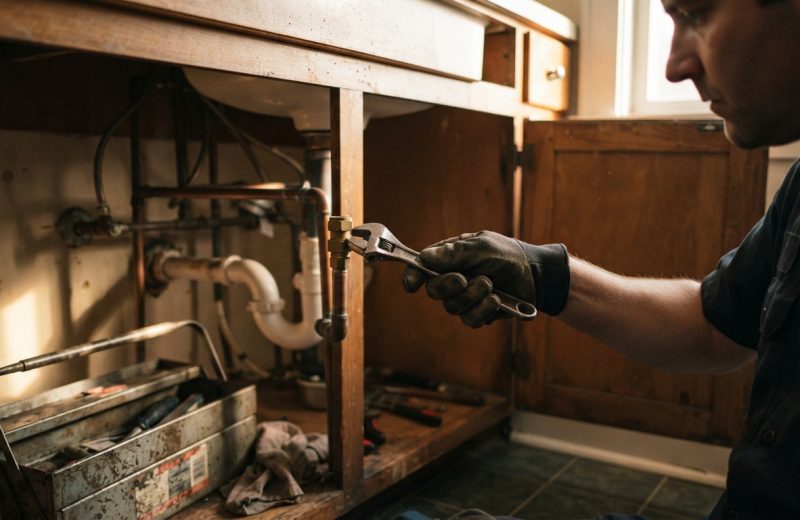
Water damage rarely starts as a dramatic event. It usually begins with a slow drip behind a wall, a corroded fitting under a sink, or a water heater nearing the end of its service life. Addressing those early warning signs through professional Commercial Plumbing in McHenry IL is one of the most practical ways a business can protect its building, inventory, and operations from preventable water loss.
Commercial properties face unique plumbing demands compared to homes, including higher water volume, more complex piping systems, and code requirements tied to occupancy type. According to the EPA’s WaterSense program for commercial facilities, leaks can be the greatest single source of water waste within a building, often going unnoticed until utility costs spike or visible damage appears. For property owners and facility managers, understanding where risk concentrates is the first step toward reducing it.
Where Commercial Water Damage Risk Starts
Water damage in commercial buildings tends to originate from a short list of recurring sources. Recognizing these points helps facility managers prioritize inspection schedules and repair budgets.
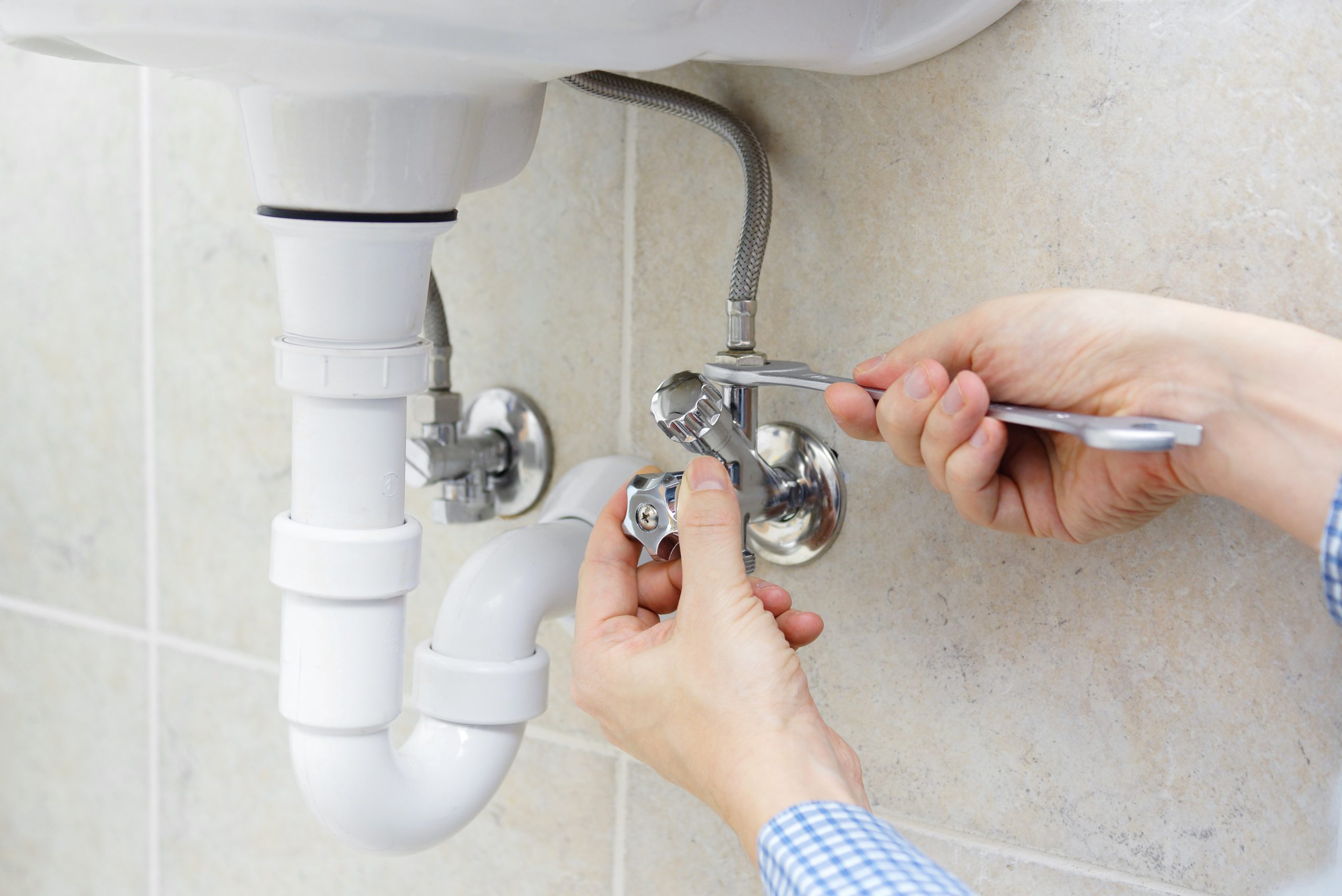
• Aging or corroded supply lines behind walls and under fixtures
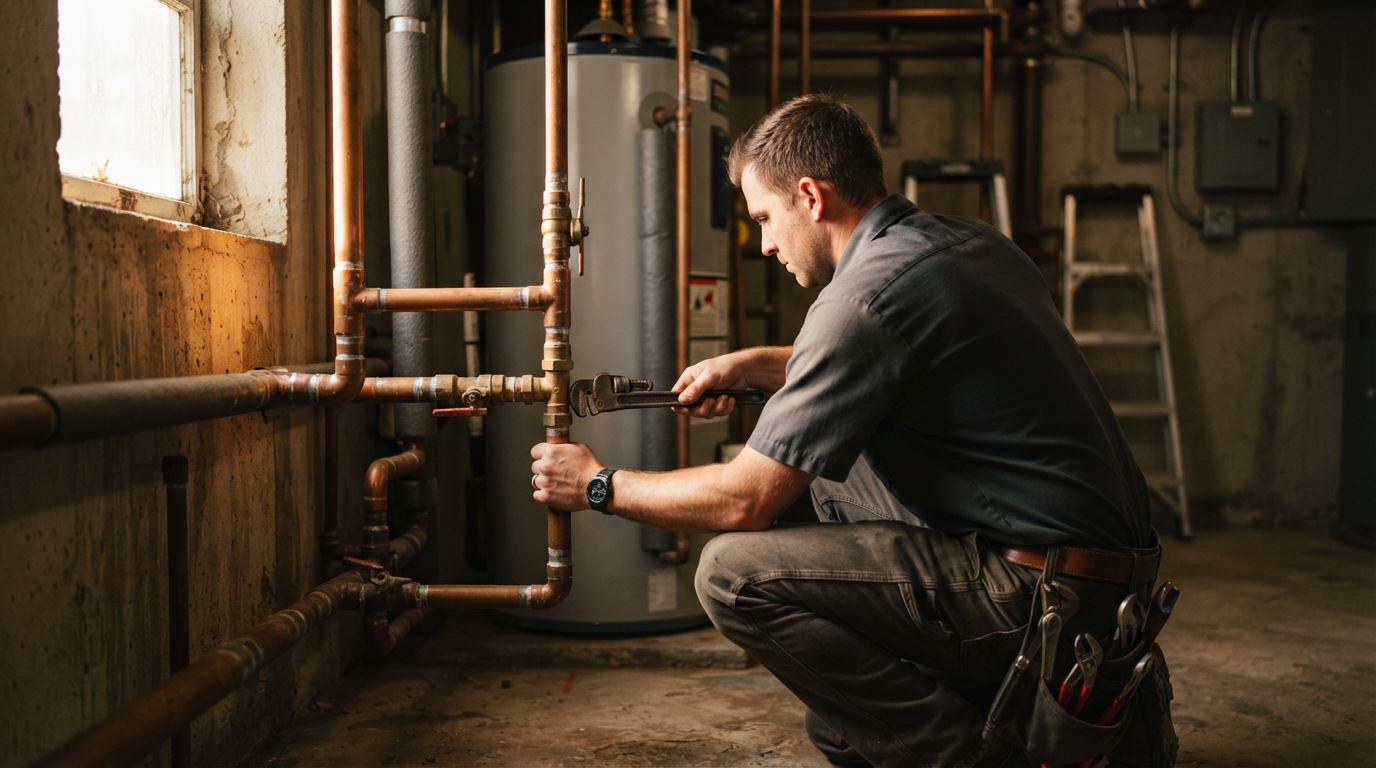
• Water heaters past their expected service life
• Sump pump failures during heavy rain or snowmelt
• Backed-up or undersized sewer and drain lines
• Loose or deteriorated fittings in restrooms, break rooms, and mechanical rooms
Each of these can develop slowly, which is why many business owners only discover a problem after staining, warping, or mold growth becomes visible. Routine professional checks catch these issues while they are still minor and inexpensive to fix.
Core Services That Support Leak Prevention
A thorough approach to water damage prevention draws on several connected plumbing disciplines rather than a single repair visit.
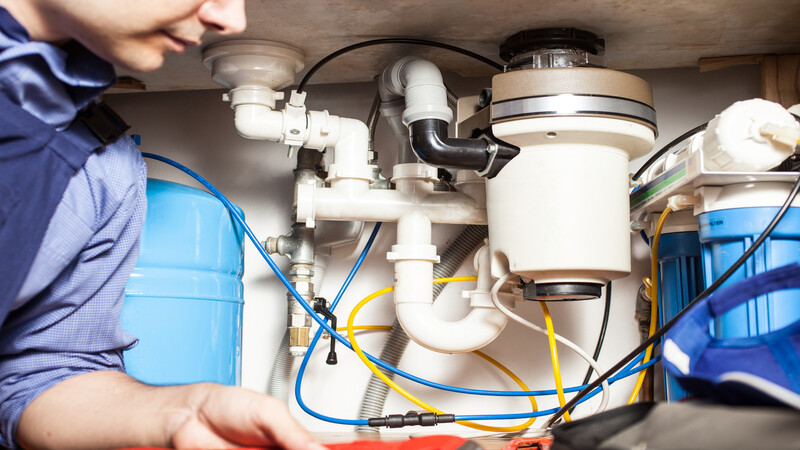
Inspection and Maintenance Scheduled checks of supply lines, drains, and water heaters identify wear before it becomes a failure. Many commercial plumbing providers offer routine maintenance visits as part of ongoing service agreements.
Repair and Replacement When a fixture, pipe, or water heater shows signs of failure, timely repair or replacement limits the scope of damage. This includes both traditional and tankless water heater systems, which are common sources of leaks when seals or tanks degrade.
New Construction and Remodel Support Businesses undergoing renovation or new construction need plumbing systems designed for code compliance and large-capacity use from the start, reducing the likelihood of future leaks tied to improper installation.
Water Treatment Integration Hard water and sediment can accelerate corrosion in pipes and fixtures. Water softeners, filtration, and testing services help extend the life of plumbing infrastructure and reduce the frequency of leak-related repairs.
Comparing Reactive Repairs vs. Preventive Plumbing Care
|
Approach |
Typical Trigger |
Cost Pattern |
Water Damage Risk |
|
Reactive repair |
Visible leak or failure already occurred |
Higher, often includes damage cleanup |
Elevated until repair is complete |
|
Scheduled inspection |
Calendar-based or seasonal check |
Lower, predictable cost |
Reduced through early detection |
|
Water treatment integration |
Hard water or sediment concerns |
Moderate, offsets long-term wear |
Reduced corrosion-related failures |
|
New construction code review |
Build or remodel phase |
Built into project cost |
Minimized from the start |
This comparison highlights why many commercial property managers shift toward scheduled inspection and treatment programs rather than waiting for a failure to force a response.
What Businesses Can Do Between Service Visits
Facility staff can reduce risk between professional visits with a few consistent habits:
1. Walk mechanical rooms and under-sink areas monthly to check for pooling water or rust.
2. Monitor water bills for unexplained increases, which often signal a hidden leak.
3. Keep a record of water heater age and plan replacement before expected failure.
4. Report slow drains promptly rather than waiting for a full blockage.
These steps do not replace professional service, but they help catch problems between scheduled inspections.
FAQ
How often should a commercial building have its plumbing inspected? Inspection frequency depends on building age, occupancy, and fixture count, but many facilities benefit from at least an annual review of supply lines, drains, and water heaters, with more frequent checks for older systems.
What is the most common cause of commercial water damage? Slow, undetected leaks in aging pipes, fittings, or water heaters are among the most common causes, since they often go unnoticed until damage or high water bills appear.
Can water treatment reduce plumbing failures? Hard water and sediment contribute to corrosion and scale buildup inside pipes and fixtures, so addressing water quality through softening or filtration can reduce the pace of wear on plumbing infrastructure.
Does new construction plumbing need special code consideration? Yes. Commercial and new construction plumbing must meet code requirements tied to building size, occupancy, and water demand, which differs from standard residential installation.
Reducing water damage risk in a commercial building comes down to consistent attention: scheduled inspections, prompt repairs, and plumbing systems built to code from the start. Garrelts & Sons, Inc. is a family-owned provider serving McHenry, Lake, and Kane counties with licensed plumbing, water treatment, and remodeling support for businesses and homeowners alike. For questions about inspection scheduling or current service availability, Garrelts & Sons, Inc. can be contacted directly to discuss a building’s specific plumbing needs.