Quick take:
• Facial balancing uses injectable treatments to adjust proportion and symmetry across the face rather than targeting one feature alone.
• Results depend on a personalized assessment of bone structure, volume loss, and facial proportions before any product is chosen.
• Consultation with a licensed provider is the necessary first step to determine which areas and products fit a patient’s goals.
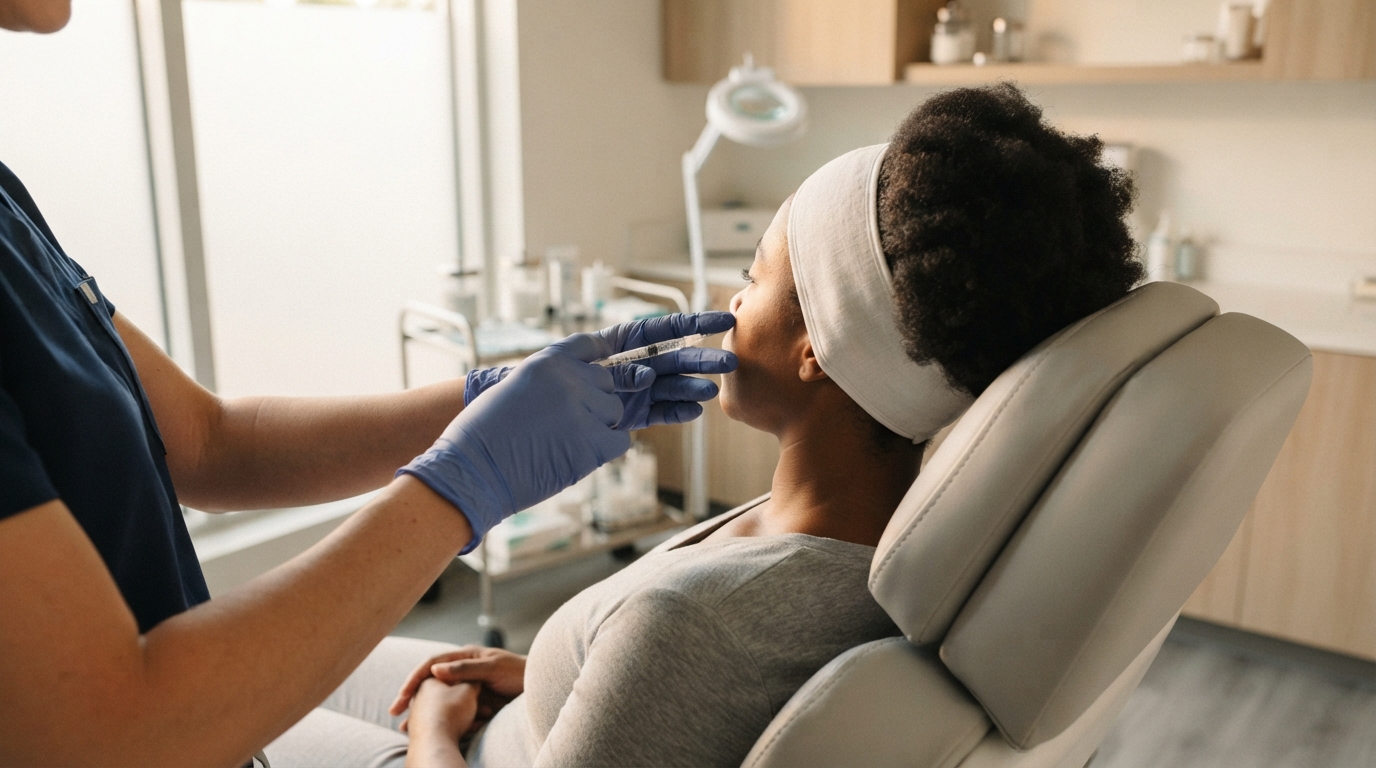
Facial balancing refers to using dermal fillers and related injectables to adjust proportion between facial features, such as the chin, cheeks, jawline, and lips, so they appear more harmonious together. It is not a single product or procedure but an approach that treats the face as a connected system rather than isolated problem areas.
Patients researching this option in Orange County often start by looking into providers who specialize in facial balancing in Newport Beach, CA, where injectable techniques are used to refine contour and proportion using dermal filler. Because the approach relies on precise placement of product across multiple zones, the provider’s assessment of facial structure matters as much as the product itself. That assessment typically happens during an initial consultation before any injections take place.
How Facial Balancing Differs From Single-Area Filler
Traditional filler appointments often focus on one concern, such as adding volume to the lips or softening nasolabial folds. Facial balancing instead looks at how features relate to each other.
• A chin that appears recessed can make the nose look larger by comparison, even if nose size has not changed.
• Cheeks that have lost volume can shift how the jawline and lower face appear.
• Lip proportion is often adjusted alongside chin or jaw contour rather than in isolation.
This relational approach is why providers typically evaluate the full face before recommending specific treatment areas, rather than treating a single feature on request alone.
What the Consultation Process Typically Involves
A facial balancing consultation generally starts with a visual assessment of bone structure, skin quality, and volume distribution across the face. Providers use this information to map out which areas, if any, would benefit from filler placement to improve overall proportion.
The American Society of Plastic Surgeons notes that injectable filler treatments remain among the most commonly performed minimally invasive procedures nationally, reflecting sustained patient interest in non-surgical facial contouring options according to the American Society of Plastic Surgeons. This popularity has coincided with more providers offering multi-area treatment planning rather than single-syringe appointments.
During a consultation, patients can expect discussion of:
1. Areas of the face being evaluated for volume or contour adjustment
2. Which filler types may be appropriate for each area
3. Expected downtime and how results typically settle over the following weeks
4. Any limitations based on the patient’s anatomy or medical history
Comparing Treatment Approaches
|
Approach |
Focus |
Typical Areas Addressed |
|
Single-area filler |
One specific concern |
Lips or one fold/line |
|
Facial balancing |
Overall proportion |
Chin, jawline, cheeks, lips together |
|
Combination planning |
Proportion plus texture |
Volume areas plus skin quality concerns |
This comparison is general and any specific treatment plan should be determined during an in-person consultation, since anatomy and goals vary by patient.
Questions Worth Asking Before Treatment
Patients considering this approach should ask providers direct questions rather than relying on marketing claims alone.
• Which specific areas of my face are being recommended for treatment, and why
• What type of filler is being used in each area
• How soon results typically appear and how long they tend to last
• What the follow-up process looks like if adjustments are needed
Clear answers to these questions help set realistic expectations before any injectable is administered.
Frequently Asked Questions
Is facial balancing the same as a single filler treatment? No. Facial balancing typically involves evaluating and treating multiple facial areas together to improve overall proportion, rather than addressing one feature in isolation.
How long does a consultation usually take? Consultation length varies by provider and by how many areas are being evaluated, since the assessment covers bone structure, volume, and proportion across the face.
Does facial balancing require surgery? The approach discussed here relies on injectable dermal filler rather than surgical procedures, though patients with more significant structural concerns may be referred to a surgical specialist if appropriate.
How do I know which areas of my face need treatment? That determination is made during a professional consultation, where a provider evaluates facial proportion and discusses options based on individual anatomy and goals.
Patients in Orange County who want a proportion-focused assessment can start with a consultation at Beauty Boost Med Spa, Inc., a Newport Beach-area provider offering filler-based facial balancing services. Reviewing the practice’s Beauty Boost Med Spa, Inc. profile beforehand can help patients confirm location details and service offerings before booking an appointment. A direct conversation with a licensed injector remains the most reliable way to understand which treatment areas, if any, fit a patient’s facial structure and goals.