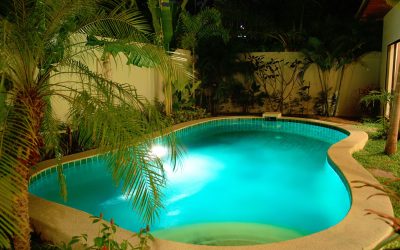
Pool renovation in Kiawah Island, SC requires addressing coastal-specific challenges — surface degradation, corrosion, and outdated equipment — before they worsen.
Choosing licensed contractors and marine-grade materials is essential for lasting results on this barrier island.
Renovating a pool on Kiawah Island means confronting a set of environmental stressors that most inland homeowners never face. Salt air, intense UV exposure, high humidity, and a high water table combine to accelerate wear on surfaces and equipment well ahead of their expected lifespans. Addressing these problems correctly during a pool renovation in Kiawah Island SC — rather than patching them temporarily — is what separates a renovation that holds up from one that fails again in a few years.
Surface Deterioration: The Most Visible Problem
Direct Atlantic salt aerosol, miles of unbroken UV exposure, and heavy bather loads break down standard plaster and gel coat well inside their advertised lifespans. The result is a predictable pattern on Kiawah pools: rough texture, waterline staining, and mineral leaching that owners often notice around the six-to-nine year mark.
During a renovation, the surface choice matters as much as the repair itself. Options worth comparing:
Surface Type | Typical Lifespan (Coastal) | Best For |
|---|---|---|
Standard white plaster | 5-8 years | Budget-first projects |
Quartz aggregate | 10-15 years | Balance of cost and durability |
Pebble finish | 15-20 years | High-traffic, high-UV environments |
Fiberglass coating | Varies by product | Existing fiberglass shells |
For pools in South Carolina’s hot, humid climate, quartz or pebble finishes are generally recommended for their resistance to chemical wear and UV staining over time. Choosing a finish rated for coastal conditions avoids the cycle of replastering on a shortened timeline.
Equipment Corrosion and Efficiency Gaps
Salt air at the ocean’s edge is relentless on pool hardware. Atlantic salt aerosol deposits chloride crystals on metal surfaces continuously, and even marine-grade stainless steel railings and ladders can pit and rust under sustained exposure. Standard pool equipment — heat pumps, salt cells, and pump motor housings — can fail in two to four years without weekly freshwater rinsing and marine-grade protective coatings.
A renovation is the right moment to replace aging equipment with components rated for the environment. Key upgrades to prioritize:
Variable-speed pumps: Variable-speed pumps, now required by Department of Energy regulations for new installations, use up to 80% less energy than single-speed models.
Salt chlorine generators: Modern salt chlorine generators reduce chemical handling and create silkier-feeling water.
Corrosion-resistant fittings and heat exchangers: Cupro-nickel alloys and coated stainless components hold up significantly longer in barrier island environments than standard metals.
LED lighting: Longer-rated service life and lower energy draw than halogen fixtures.
Replacing equipment during a surface renovation avoids the cost and disruption of a second mobilization later.
Structural and Soil Considerations Specific to Kiawah
The soil beneath Kiawah Island properties adds a layer of complexity that does not exist on the mainland. The sandy soil common to barrier islands does not make for the best pool foundation, which is why a soil test and consultation with a structural engineer before starting any pool construction or major renovation is important — other contractors may not be as forthcoming about the challenges of building on unstable Lowcountry soil.
During a renovation, any visible cracking in the shell or shifting in the coping should be evaluated for underlying structural causes, not just resurfaced over. Crack repair that ignores soil movement will reopen.
South Carolina Building Code Council adoption of ANSI/APSP standards means that privately developed technical standards carry regulatory force once formally adopted. The ANSI/APSP-5 Standard for Residential Inground Swimming Pools defines structural and hydraulic design requirements that inform permit review in South Carolina counties.
In South Carolina, permanently installed inground pools require a building permit from the local jurisdiction before construction begins. Confirming permit requirements with Charleston County before work starts prevents delays mid-project.
What to Expect From a Qualified Renovation Contractor
Pool renovation services for in-ground concrete pools cover resurfacing, tile replacement, equipment upgrades, and new pool feature additions. A contractor working on Kiawah Island should be licensed by the state of South Carolina and familiar with the specific material and structural demands of coastal properties.
From a simple motor replacement to a complete makeover, a full-service pool company should be ready to handle the full range of renovation and repair needs. Before signing any contract, verify that the contractor:
Holds a current South Carolina contractor’s license
Has documented experience with coastal pool projects
Specifies marine-grade materials in writing
Pulls the required permits
Frequently Asked Questions
How long does a pool renovation take on Kiawah Island? Scope determines timeline. A resurfacing-only project typically takes one to two weeks. Full renovations involving structural repair, equipment replacement, and deck work can run four to eight weeks, depending on permit timelines and material availability.
Does salt air really shorten pool surface life that much? Yes. Many high-end plaster or pebble surfaces look stunning at installation but begin showing wear faster than owners expect — the reason is environmental, not workmanship, as Kiawah delivers a stress profile that almost no traditional pool finish was designed to handle.
Can I upgrade to a saltwater system during a renovation? Yes, and a renovation is an efficient time to do it. The pool is already drained and the equipment pad is accessible, reducing additional labor costs.
Do I need a permit for a pool renovation in Kiawah Island? Under South Carolina law, contractors performing construction or major renovation work must hold a license issued by the South Carolina Contractor’s Licensing Board. Permit requirements depend on the scope of work; confirm with Charleston County before starting.
Ready to plan your renovation? Clear Blue Pools and Spas serves the Lowcountry with pool renovation, resurfacing, equipment upgrades, and maintenance — bringing verified experience to coastal properties across the Charleston area. Contact the team to discuss your project and request a free estimate.