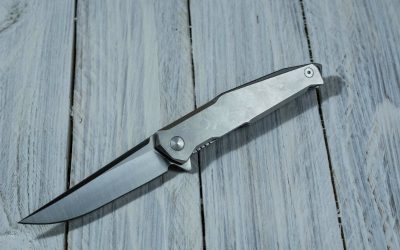
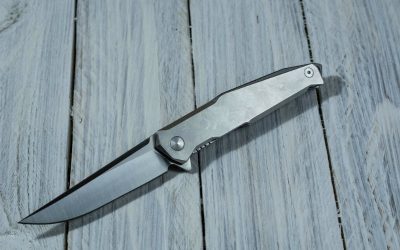
Automatic stiletto knives open with the press of a button, driven by an internal spring mechanism, which means their care routine differs from manual folding knives. Keeping the blade clean, the pivot lubricated, and the mechanism free of debris is the most reliable way to maintain safe, consistent function over time.
Anyone shopping for Automatic Stiletto Knives is choosing a tool with a fast-action opening system, and that speed is exactly why routine upkeep matters. A neglected spring mechanism can stick or fire unpredictably, turning a useful tool into a hazard. Understanding basic handling and maintenance habits protects both the knife’s lifespan and the person carrying it.
Understanding How Automatic Stiletto Knives Work
The defining feature of an automatic stiletto is its internal spring-loaded mechanism, which releases the blade instantly when a button or lever is pressed. This differs from assisted-opening or manual folders that rely on thumb studs or flipper tabs.
Key mechanical components include:
• A coil spring housed inside the handle that drives blade deployment
• A locking mechanism that secures the blade once fully open
• A release button or switch, typically positioned on the handle
• A pivot point where the blade rotates during opening and closing
Because these parts work under tension, any dirt, lint, or dried oil buildup can interfere with smooth deployment. Understanding this basic structure helps explain why cleaning and lubrication are not optional extras but core maintenance steps.
Daily Handling Practices for Safer Use
Safe handling starts before the blade ever opens. A firm, dry grip on the handle reduces slippage, and users should always keep fingers clear of the blade’s path during deployment.
Practical handling guidelines include:
1. Point the blade away from your body and others before pressing the release.
2. Engage the safety lock, if the model includes one, whenever the knife is not in active use.
3. Avoid opening the blade near your face or in cramped spaces where movement is restricted.
4. Close the blade fully before placing the knife in a pocket or sheath.
5. Inspect the lock engagement after opening to confirm the blade is secure before applying pressure.
Consumer product safety data consistently show that hand and finger injuries are among the most common outcomes of improper knife handling, according to the U.S. Consumer Product Safety Commission. Following consistent handling habits lowers that risk significantly, particularly with spring-loaded tools that open faster than manual blades.
Cleaning and Lubrication Routine
Moisture, dust, and pocket lint are the primary causes of mechanical slowdown in automatic knives. A basic cleaning routine, done every few weeks or after heavy use, keeps the action smooth.
Recommended steps:
• Wipe the blade with a soft, dry cloth after each use to remove moisture and debris.
• Use a small brush or compressed air to clear lint and dust from the pivot and internal track.
• Apply a drop of knife-specific lubricant to the pivot point, not the spring housing, to avoid oversaturation.
• Cycle the blade open and closed a few times after lubrication to distribute the oil evenly.
• Store the knife in a dry environment, since humidity accelerates corrosion on exposed steel.
Maintenance Task | Frequency | Purpose |
Wipe blade clean | After each use | Removes moisture and residue |
Lubricate pivot | Every 2-4 weeks | Maintains smooth deployment |
Deep clean internals | Every 2-3 months | Clears built-up debris |
Inspect lock mechanism | Monthly | Confirms secure blade lockup |
Skipping lubrication for extended periods often leads to a sluggish button response, which can be mistaken for spring failure when it is simply friction from dried residue.
Legal Considerations and Storage
Automatic knife laws vary by state, and some jurisdictions restrict blade length, carry method, or possession entirely. Buyers should verify current regulations in their state before purchasing or carrying an automatic stiletto knife, since enforcement and definitions differ across local and state statutes.
Storage also affects both safety and legal compliance:
• Keep the knife in a closed, locked position when not in use.
• Store it away from children in a dedicated case or drawer.
• Avoid leaving the blade exposed in vehicles, where heat and humidity can degrade the mechanism.
• Check local transport rules before carrying the knife across state lines.
Responsible ownership means treating the knife as a functional tool that requires the same legal awareness as any regulated item.
Frequently Asked Questions
How often should an automatic stiletto knife be lubricated? Most users apply lubricant to the pivot point every two to four weeks, depending on frequency of use and exposure to dust or moisture.
What causes a slow or sticky blade release? Buildup of lint, dirt, or dried oil inside the mechanism is the most common cause, and it is usually resolved with cleaning and fresh lubrication.
Is it legal to carry an automatic stiletto knife everywhere in the USA? No, laws vary significantly by state and sometimes by city, so it is necessary to confirm local regulations before carrying one.
Can improper storage damage the knife’s mechanism? Yes, humidity and temperature swings can corrode internal springs and locking parts, which is why dry, stable storage is recommended.
Maintaining an automatic stiletto knife comes down to consistent habits: clean it, lubricate it, store it properly, and stay informed about the laws in your area. These practices protect both the tool’s performance and the safety of the person using it. Shoppers researching options and specifications can review the collection from Viper Tec as a reference point for available styles and features.