Key takeaway:
-
A gold appraisal weighs your item, tests its karat content, and compares it against the current market price to determine a fair cash offer.
-
Reputable gold buying services evaluate items on the spot, in front of the seller, before making an offer.
-
Condition rarely disqualifies an item; brokers, buckles, and outdated jewelry can still hold value.
An appraisal for gold jewelry, coins, or scrap metal is a short, transparent process that determines how much cash an item is worth based on weight, purity, and the day’s market rate. Anyone searching for reliable Gold Buying Services in Burlington, ON is really asking one core question: how do I know I am getting a fair number for what I bring in? The answer starts with understanding how appraisals actually work before you walk through the door.
One well-known option in the region is Got Gold Get Cash, a gold and silver trading business serving the Hamilton and Niagara area from its physical location. Knowing what happens during an appraisal, and what factors influence the final number, helps sellers set realistic expectations and avoid rushing into a deal they do not fully understand.
How a Gold Appraisal Actually Works
An appraisal is not a guess. It is a structured evaluation based on measurable factors that any legitimate buyer should be willing to explain.
-
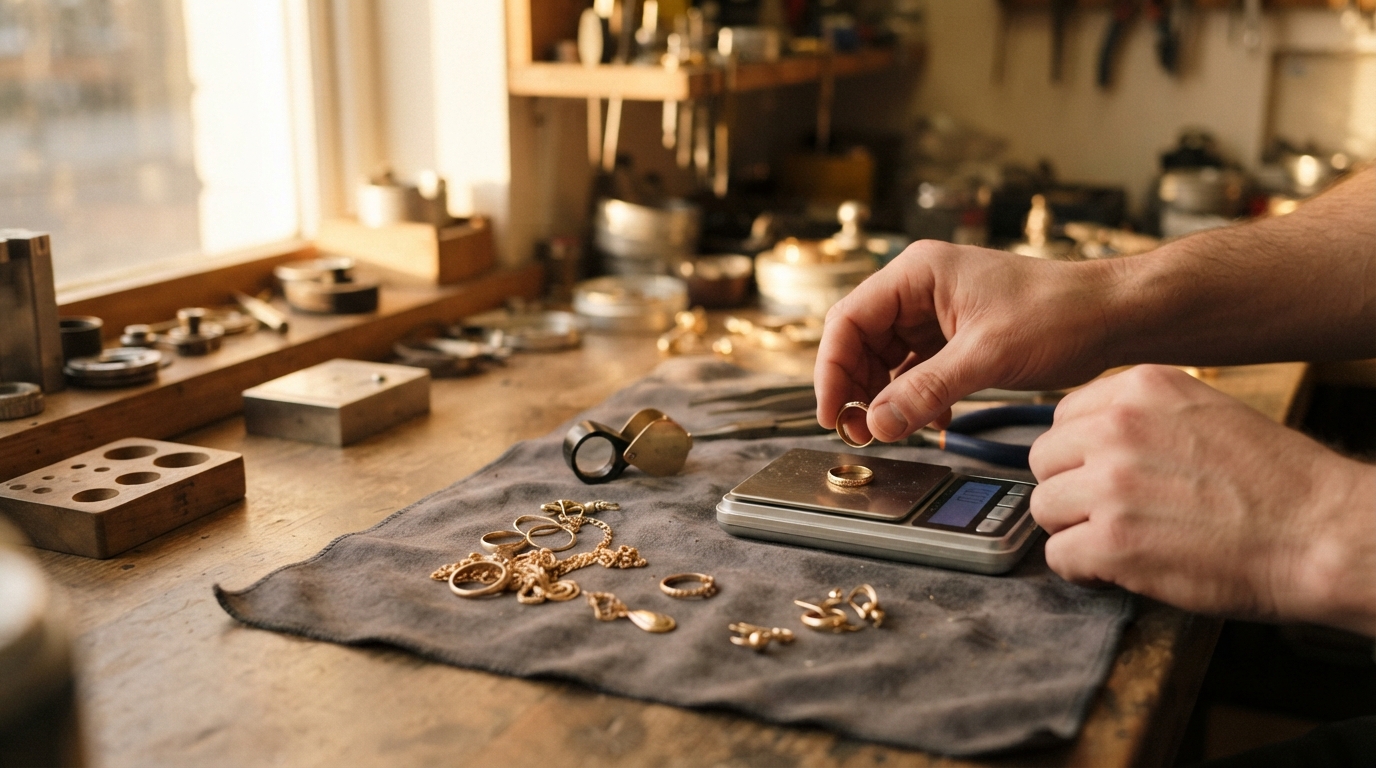
Weight: Items are weighed on a calibrated scale to determine the raw material amount.
-
Karat content: The value of your gold is assessed based on the weight, karat content (a percentage of 24 karats) and the market price on the day.
-
Market price: Gold and silver prices shift daily, so the appraisal reflects that day’s rate, not a fixed number.
-
Condition check: Buyers separate precious metal from non-precious attachments like clasps or stones before final weighing.
This process explains why two similar-looking pieces of jewelry can appraise differently. A ring with more embedded stones or lower karat gold will weigh differently once separated, even if it looks comparable at a glance.
What Items Typically Qualify for Appraisal
Most gold buying services accept a wide range of items, though exclusions do exist. Accepted items typically include gold jewellery of any carat, yellow gold, white gold, rose gold, wedding bands, engagement rings, chains, pendants, bracelets, earrings, dental gold, broken jewellery, gold coins, damaged pieces, and scrap gold jewellery.
Condition is rarely a dealbreaker. Buyers generally accept gold, silver, and platinum jewellery in any condition, including tangled, knotted, or broken necklaces, chains, bracelets, and bangles. However, not everything qualifies. Stolen items, gold-plated and gold electroplated pieces, costume jewellery, rolled gold, and non-precious metals are typically excluded.
Coins and collections fall under the same evaluation logic. Whether someone wants to know the value of their coins, confirm authenticity, or liquidate an entire coin collection, a knowledgeable buyer can walk them through the process. This matters for sellers unsure whether inherited or older coins carry numismatic value beyond melt weight.
Why Appraisal Transparency Matters
Consumer protection agencies consistently advise getting evaluations from businesses that explain their pricing methodology before any transaction closes. According to the Government of Canada’s guidance on buying and selling precious metals, consumers should understand how a seller calculates value and confirm credentials before completing a sale. This kind of due diligence protects against lowball offers based on unclear math.
A transparent appraisal process typically includes:
|
Appraisal Step |
What It Confirms |
|
Visual inspection |
Identifies gold, silver, platinum, or mixed materials |
|
Weighing |
Establishes raw weight in grams or troy ounces |
|
Karat/purity testing |
Confirms percentage of pure metal content |
|
Market price comparison |
Applies the current day’s spot price to the tested weight |
Sellers who understand each step are better equipped to ask questions and recognize when an evaluation seems inconsistent with these standard practices.
Choosing a Trustworthy Local Evaluator
Not every buyer operates the same way, and the difference often comes down to accreditation and openness. The emphasis in a sound appraisal process is on authenticity, ensuring an honest assessment of each unique and valuable object. Sellers should look for evaluators willing to test items in front of them rather than out of sight.
A few practical questions to ask before any appraisal:
- Is the business licensed to buy precious metals in Ontario?
- Will the item be tested in front of me?
- How is the final cash offer calculated?
- What payment methods are available once I accept?
Asking these questions upfront reduces the chance of confusion later and sets clear expectations for the transaction.
Frequently Asked Questions
Does the condition of my gold affect the appraisal? Condition has limited impact on value since gold is typically melted or refined. The condition of gold, silver, or platinum jewellery does not matter for purchase purposes, even if it is broken, twisted, or damaged.
Can I get an exact quote before bringing my item in? No. An exact quote cannot be given before the item is seen, since karat content and weight must be determined and gold weighed before calculating value.
What determines the final cash offer? The offer reflects the weight, karat content as a percentage of 24 karats, and the market price on the day of sale.
Are broken or tangled pieces still worth appraising? Yes. Gold, silver, and platinum jewellery are generally accepted in any condition, including tangled, knotted, or broken pieces.
Final Thoughts on Getting a Fair Appraisal
Understanding how weight, karat testing, and market pricing combine to produce a final offer puts sellers in a stronger position before any transaction. A business built on transparent evaluation practices, clear explanations, and on-the-spot testing gives sellers confidence that the number they receive reflects the actual material value of their item. For those in the Burlington area weighing their options, Got Gold Get Cash operates from a physical location serving the wider Hamilton and Niagara region, offering the kind of in-person evaluation process outlined above.