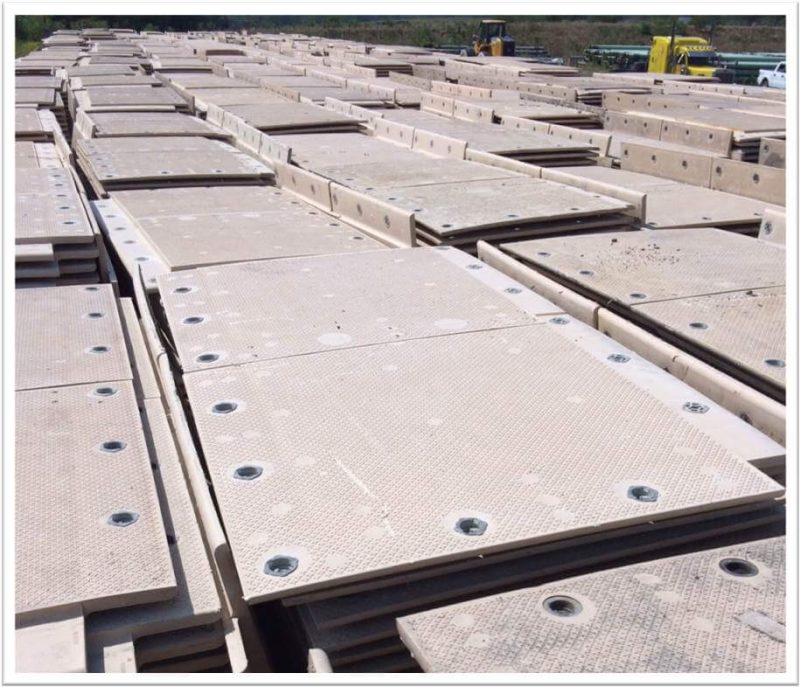
Construction projects across the United States often require work in or near sensitive environments, such as wetlands, forests, and protected habitats. Safeguarding these areas while ensuring project efficiency is a growing priority for contractors and environmental regulators. Many project managers searching for sustainable solutions turn to Composite Access Mats to address these challenges. These advanced mats are designed to minimize environmental disturbance, support heavy equipment, and maintain compliance with strict environmental standards.
The Environmental Impact of Traditional Construction Methods
Traditionally, construction access involved using timber mats or gravel roads, which can cause considerable disruption to the landscape. These methods often result in:
• Soil compaction and erosion
• Damage to root systems and vegetation
• Contamination of water sources from disturbed sediments
• Long-term habitat degradation
Such impacts not only harm local ecosystems but can also lead to regulatory fines and project delays. As environmental protection becomes more central to project planning, innovative solutions are essential.
Advantages of Composite Access Mats
Composite access mats offer several advantages over conventional options, making them particularly suitable for environmentally sensitive areas:
1. Minimal Soil Disturbance
Unlike timber or gravel, composite mats distribute the weight of heavy equipment more evenly, significantly reducing soil compaction and rutting. This helps preserve soil structure and prevents erosion, especially in wetlands or soft ground.
2. Protection of Vegetation and Root Systems
By providing a stable work surface above the ground, these mats shield underlying plants and root systems from damage. This is crucial in preserving the natural flora and avoiding long-term degradation of sensitive habitats.
3. Waterway and Wetland Preservation
Composite mats are non-absorbent and chemically inert, meaning they do not leach harmful substances into the environment. Their design also allows for water flow underneath, maintaining natural hydrological patterns and protecting aquatic ecosystems.
4. Reusability and Sustainability
These mats are engineered for multiple uses across different sites, reducing the need for new materials and limiting waste. Their durability ensures a longer lifespan compared to traditional wood mats, aligning with sustainability goals.
5. Easy Installation and Removal
Composite mats are lightweight and modular, enabling quick deployment and removal. This minimizes the time equipment spends in sensitive areas, further reducing ecological impact.
Regulatory Compliance and Project Efficiency
Environmental regulations in the USA demand strict adherence to best management practices for protecting ecosystems during construction. Using composite access mats helps contractors:
• Meet local, state, and federal environmental requirements
• Avoid costly restoration efforts and project delays
• Demonstrate a commitment to sustainable construction practices
In addition, these mats improve site safety and productivity by providing a stable, reliable surface for workers and machinery, even in challenging terrain.
Key Considerations for Implementation
When selecting composite access mats for a project, consider the following:
• Site Conditions: Assess soil type, moisture levels, and terrain to determine the appropriate mat specifications.
• Load Requirements: Ensure mats can support the weight of planned equipment and vehicles.
• Environmental Sensitivity: Choose mat systems designed for minimal ground contact and easy removal.
Consulting with environmental specialists and access mat providers can help tailor solutions to the specific needs of your project site.
Protecting Sensitive Environments with Modern Solutions
The use of composite access mats represents a significant advancement in balancing construction efficiency with environmental protection. By reducing ground disturbance, preserving natural habitats, and ensuring regulatory compliance, these mats play a vital role in responsible construction practices. As the industry continues to prioritize sustainability, integrating such innovative solutions is essential for protecting America’s most sensitive environments while achieving project goals.